
Scientists Find Molecule That Blocks Brain Cell Death in Alzheimer’s, Parkinson’s
Scientists Find Molecule That Blocks Brain Cell Death in Alzheimer’s, Parkinson’s
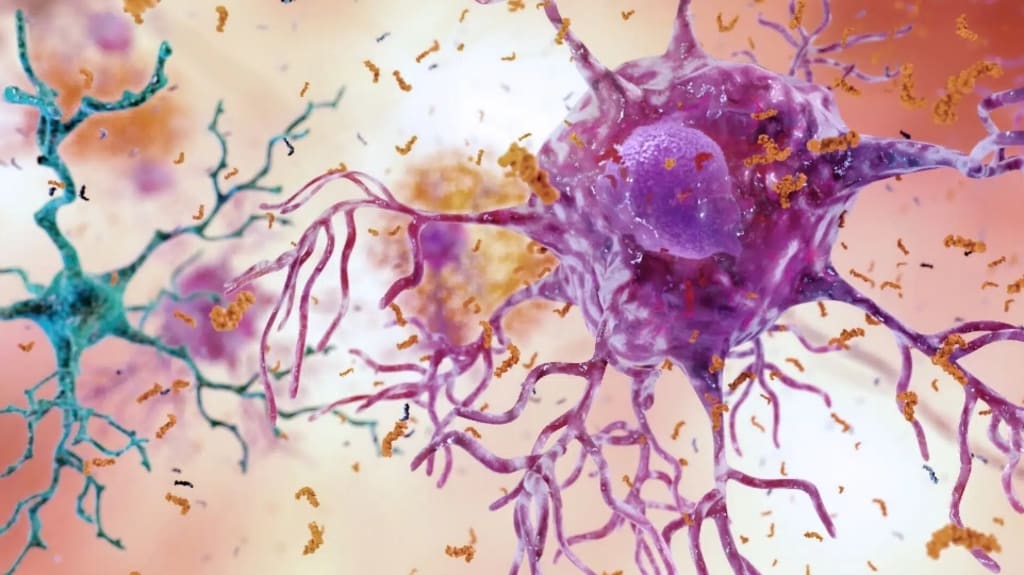
Australian scientists have made a groundbreaking discovery in neurodegenerative disease research. By identifying a small molecule that blocks cell death, researchers from the Walter and Eliza Hall Institute may have found a potential treatment path for Parkinson's and Alzheimer's. The molecule targets the BAX protein, which damages mitochondria and causes neuron death. This research opens new possibilities for developing drugs that could slow or stop the progression of these challenging neurological conditions
A team of Australian researchers has identified a small molecule that blocks a key protein involved in brain cell death, potentially opening the door to new treatments for Parkinson’s and Alzheimer’s disease.
Scientists at the Walter and Eliza Hall Institute of Medical Research (WEHI) led the study, which they published in Science Advances. Researchers identified the molecule WEHI-3773 after screening more than 100,000 compounds at the National Drug Discovery Centre.
By preventing the protein that causes cell death, BAX, from reaching the mitochondria, where it causes damage, the compound disrupts its activity.
“Currently, there are no treatments that prevent neurons from dying to slow the progression of Parkinson’s. Any drugs that could be able to do this could be game-changing,” said Professor Grant Dewson, a lead author of the study and head of the WEHI Parkinson’s Disease Research Centre.
How does the compound WEHI-3773 protect brain cells?
The team explained that WEHI-3773 prevents BAX from triggering apoptosis, programmed cell death, by blocking its interaction with another protein, VDAC2. Instead of moving to the mitochondria, BAX remains inactive in the cytosol. This action helps keep brain cells alive under conditions that normally cause their death.
“For the first time, we could keep BAX away from mitochondria and keep cells alive using this molecule,” said Kaiming Li, a Ph.D. candidate at WEHI and lead author of the study. “This could pave the way for next-generation cell death inhibitors to combat degenerative conditions.”
Researchers also found that WEHI-3773 influences another protein involved in cell death: BAK. While the compound blocks BAX activity, it appears to promote BAK’s role in destroying cancer cells.
This selective action offers a targeted approach to reduce unnecessary brain cell loss in neurons, where BAX remains active and BAK levels are typically low.
Implications for neurodegenerative diseases and beyond
The goal of current neurodegenerative disease treatments is not to halt the progression of the disease but rather to manage symptoms. One of the main causes of Parkinson's and Alzheimer's diseases is the early death of neurons. By interfering with the mitochondrial mechanisms that drive this cell loss, WEHI-3773 offers a potential path toward disease-modifying therapies.
Additionally, the study suggests applications for cancer. Some leukemia patients develop resistance to venetoclax, a drug that targets a different cell-death pathway. That resistance is often linked to the loss of BAX function. The WEHI compound overcame this issue by boosting BAK activity, suggesting it could be used alongside existing cancer drugs.
Still, researchers noted that the compound’s effects varied depending on the type of stress applied to cells. While it worked well with certain drugs in lab models, its behavior under other conditions was inconsistent.
Next, the team plans to map the exact structure of the binding sites involved and test WEHI-3773 in animal models of neurodegeneration and cancer. The WEHI Parkinson’s Disease Research Centre will continue focusing on cell death, mitochondria, and inflammation in pursuit of treatments that could change the course of progressive brain disorders.
How does the molecule work?
The molecule targets a protein called BAX, which is responsible for cell death by damaging mitochondria. By preventing BAX from functioning, the molecule can help protect neurons from dying.
What challenges are there in developing cell death blockers?
While drugs that induce cell death have transformed cancer treatment, creating effective cell death blockers for neurodegenerative diseases has proven to be a complex challenge
What are the next steps for this research?
The research team aims to further explore the potential of this molecule and develop next-generation cell death inhibitors aimed at treating degenerative conditions.
About the Creator
Keep reading
More stories from SANJIB DEY and writers in Humans and other communities.
Google launches Gemini 2.5 Pro IO edition, optimized for coding and software development
Google has unveiled an enhanced version of Gemini 2.5 Pro with dramatically improved coding abilities, especially for front-end and UI development. This "I/O Edition" preview, which was made available just before Google I/O, is a significant step forward in the field of AI-assisted development.
By SANJIB DEY10 months ago in Journal
My First Time Skiing and I Got Lost, Alone, in the French Alps
Looking back, I can trace some of my life’s biggest adventures to a simple action from my sister. She’d introduced me to Tommy (a very long time ago), a colleague of hers, who had overshared his penchant for Italian-looking women, and I ticked that box.
By Chantal Christie Weiss2 days ago in Humans
How To Recover Motivation After Disappointing Dating Experiences Recently
The disappointment that comes with dating may make a single person discouraged, frustrated, or even exhausted. In case relationships are not formed as anticipated then one would wonder what it is that he/she chose to do, or to begin losing the desire to know people. The disregard of such emotions can lead to their accumulation and influence confidence.
By Robert Smitha day ago in Humans




Comments
There are no comments for this story
Be the first to respond and start the conversation.