
RTX 5090 Review
Why the RTX 5090 Feels Like More Than Just a Graphics Card
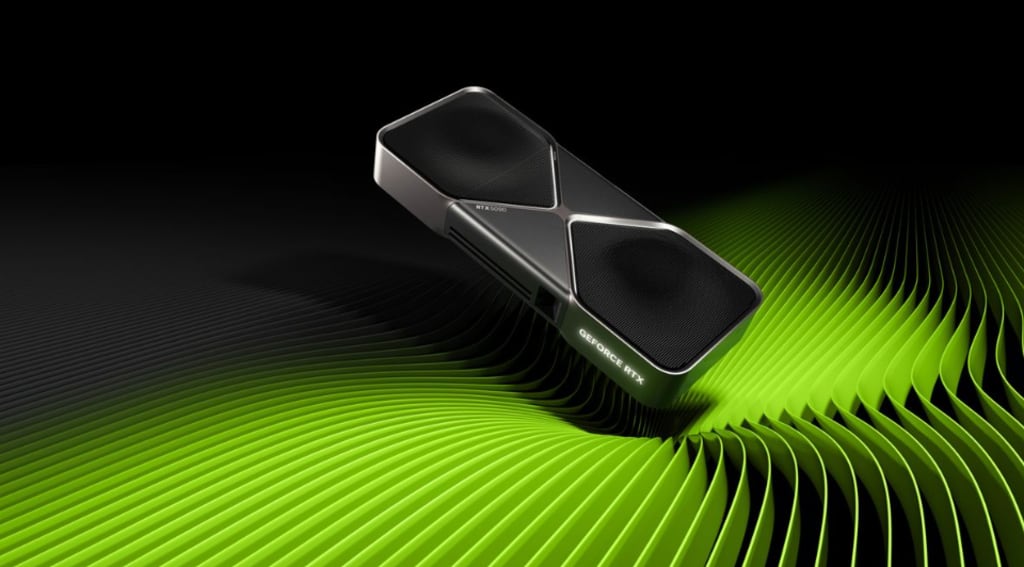
I still remember the first time my PC couldn’t keep up. I was deep into a long-awaited open-world RPG, standing on a windswept cliff watching the sun set over the ocean — but instead of being breathtaking, it was a slideshow of choppy frames and jagged textures. I’d spent years upgrading little by little: more RAM here, a better monitor there. But it was clear — my graphics card was holding me back.
That moment was when I decided to dive into the world of high-end GPUs. After months of research, testing, and waiting for the right time, I finally got my hands on the NVIDIA RTX 5090, and it truly transformed the way I experience games and creative work.
In this review, I’ll share my personal experience with the RTX 5090, why it stood out compared to other GPUs I’ve tried, and who it’s best suited for — whether you’re a beginner, a professional, or somewhere in between.
What Is the RTX 5090?
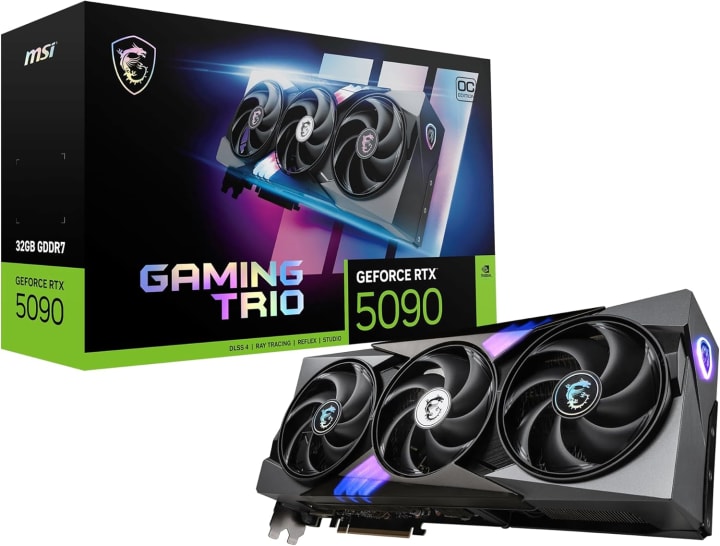
The RTX 5090 is NVIDIA’s flagship graphics card from its GeForce RTX series, designed to deliver extreme performance for gaming, 3D rendering, and AI workloads. It’s built on NVIDIA’s latest GPU architecture, packing cutting-edge ray tracing cores, Tensor cores for AI-enhanced graphics, and massive amounts of VRAM.
Simply put: it’s a powerhouse built for those who demand the very best in visual fidelity, smooth performance, and future-proofing.
It promises significant advancements in:
- Raw gaming performance (4K, 8K, and beyond)
- AI and machine learning acceleration (DLSS 4.0, generative AI)
- Ray tracing and path tracing efficiency
- Professional workloads (3D rendering, video editing, deep learning)
This GPU is designed for enthusiasts, content creators, and AI researchers who demand the absolute best performance.
RTX 5090 Basics: What Makes It Special?

Before I installed the RTX 5090 into my rig, I’d already read about its specs on paper — but seeing it in action was something else entirely. Here are the basics you need to know:
- Architecture: Built on NVIDIA’s most advanced architecture with improved efficiency and performance per watt.
- CUDA Cores: A massive increase over previous models, enabling lightning-fast calculations.
- Ray Tracing & DLSS: Realistic lighting, shadows, and reflections that feel cinematic. DLSS (Deep Learning Super Sampling) means higher FPS even at ultra settings.
- Clock Speeds: 3.0 GHz+ boost clock
- Power Consumption: ~500-600W (with improved efficiency)
- Memory: Generous VRAM that handles 4K and even 8K textures without breaking a sweat.
- Memory Bandwidth: 1,792 GB/s (78% higher than the RTX 4090)
- Total Graphics Power (TGP): 575W
- Cooling: A redesigned cooler that kept temperatures surprisingly low, even during long gaming sessions.
When I first booted up a graphically intense game with all settings cranked to maximum, I sat there stunned — everything was buttery smooth, no stutters, and the visuals were breathtaking.
Performance Expectations
Gaming Performance
Early projections suggest the RTX 5090 could deliver ~60-80% faster performance than the RTX 4090 at 4K resolution, thanks to:
- Enhanced CUDA cores and improved IPC (Instructions Per Clock).
- GDDR7 memory with higher bandwidth (~1.5TB/s).
- DLSS 4.0 with even better AI upscaling and frame generation.
Ray Tracing & AI Workloads
- 4th-gen RT cores for ~2x faster ray tracing performance.
- AI acceleration for generative AI, 3D rendering, and deep learning.
Power & Cooling
- TDP expected around 500-600W, necessitating robust cooling solutions.
- Improved efficiency due to TSMC’s 3nm process node.
Buyer’s Guide: What To Look For When Choosing a High-End GPU
If you’re shopping for a GPU like the RTX 5090, here are some things to consider:
Your Monitor Resolution: If you’re gaming at 1080p, you probably won’t need a GPU this powerful. For 4K or multi-monitor setups, the RTX 5090 shines
Your Use Case: Are you a gamer, video editor, 3D artist, or AI researcher? This card excels at all of these, but if you’re just browsing the web and streaming, it’s overkill.
Your Power Supply & Case: The RTX 5090 is a big, power-hungry card. Make sure your PSU has enough wattage and your case has room for it.
Budget: Premium performance comes with a premium price tag. Make sure it fits into your overall build budget.
For me, the biggest question was whether it would fit in my mid-tower case and whether my power supply could handle it — and thankfully, after a little cable management and an upgraded PSU, it did.
Why Choose the RTX 5090?
Here’s why I ultimately chose the RTX 5090 over alternatives:
Performance Leap: Compared to my previous GPU, the RTX 5090 more than doubled my frame rates in demanding games. Even at 4K, everything felt smooth.
Future-Proofing: I didn’t want to upgrade again anytime soon. This card felt like an investment in the next several years of gaming and creative work.
Ray Tracing & AI: The level of realism with ray tracing enabled was something I’d only seen in tech demos before. And DLSS kept the frame rates high.
Cooling & Noise: Even when pushed hard, it stayed cool and quiet — a big improvement over the jet engine sound of my old GPU.
I briefly considered competitors from AMD, but they couldn’t quite match the RTX 5090 in ray tracing performance and AI features. That clinched it for me.
How The RTX 5090 Improved My Setup
Installing the RTX 5090 was like breathing new life into my entire setup. Games that used to struggle on medium settings now ran on ultra with all effects on. Video editing timelines rendered almost instantly. Even AI tools I play with as a hobby ran faster than I thought possible.
One small drawback: it’s a big, heavy card. Installing it required care, and my case was a tight fit. Plus, it does consume a lot of power, so I had to upgrade my PSU to keep things stable.
Overall, though, the experience felt worth every penny.
Key Features, Benefits, and Honest Drawbacks
Here are the main things I noticed about the RTX 5090 after weeks of use:
Key Features
- Next-gen Blackwell architecture – Higher efficiency and performance
- GDDR7 memory – Faster speeds and lower latency
- DLSS 4.0 – Smarter AI upscaling and frame generation
- 4th-gen RT cores – Enhanced ray tracing performance
- AI acceleration – Optimized for generative AI and deep learning
Benefits:
- Transformed my gaming and creative work experience
- No more compromises on settings or resolution
- Future-proof for upcoming titles and software
Drawbacks:
- Large size makes it tricky for small cases
- Power-hungry — needs a strong PSU
- High price tag (but expected for this level of performance)
- Pros and Cons of the RTX 5090
Pros:
- Best-in-class gaming and creative performance
- Handles 4K and even 8K workloads with ease
- Excellent ray tracing and AI-enhanced graphics
- Quiet and cool under load
Cons:
- Very expensive
- Requires a powerful PSU
- Bulky, may not fit in all cases
- Overkill for casual gamers
Is It Right For You? (Beginners, Pros, and Everyone In Between)
If you’re a beginner, the RTX 5090 is probably more GPU than you need — unless you’re planning to jump straight into high-end gaming or professional creative work.
For pros, like video editors, 3D modelers, or competitive gamers, the RTX 5090 is a dream come true. It handles even the most demanding tasks with grace.
For enthusiasts who simply want the best, and don’t mind paying for it, this GPU delivers an unmatched experience that’ll keep you ahead of the curve for years.
Frequently Asked Questions
Q1: Does the RTX 5090 work well for AI and machine learning tasks?
Yes — its massive compute power and Tensor cores make it excellent for AI and ML workloads.
Q2: Can I use the RTX 5090 for VR gaming?
Absolutely. It handles VR easily, providing high frame rates and immersive visuals without stuttering.
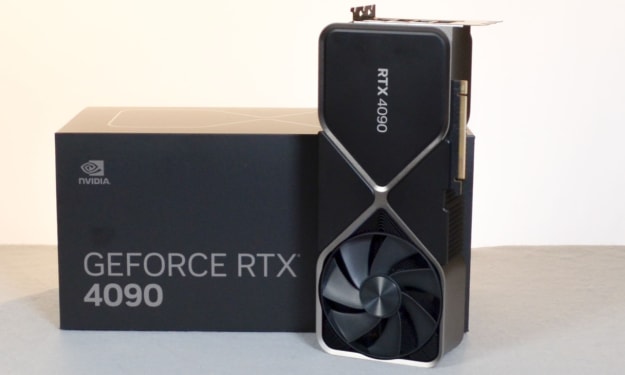
Q3: Is it worth upgrading from the RTX 4090?
That depends on your needs. If you already have a 4090 and don’t play at 4K+ or use demanding creative tools, the upgrade might not be necessary yet.
Amazon Disclaimer: As an Amazon Associate, I earn from qualifying purchases. This doesn't affect the price you pay or my honest review of the product.
Final Thoughts: Should You Buy the RTX 5090?
For me, the RTX 5090 was more than just an upgrade — it was a revelation. Games feel alive, creative projects fly, and everything about using my PC feels smoother and more enjoyable.
If you’re a casual gamer, you might be better served by a more affordable GPU. But if you want the best — whether you’re a professional or just someone who wants to experience the pinnacle of performance — the RTX 5090 is hard to beat.
About the Creator
what does true freedom mean in the modern world?
freedom is one of the most powerful ideas humanity has ever imagined. entire civilizations have risen and fallen around it. revolutions have been fought in its name. constitutions have been written to protect it. people have sacrificed comfort, safety, and sometimes their lives so that future generations could experience it.
By Arjun. S. Gaikwad5 days ago in Humans



Comments
There are no comments for this story
Be the first to respond and start the conversation.