
Role of Phospho-Specific Antibodies in Cancer Research
Phospho-Specific Antibodies

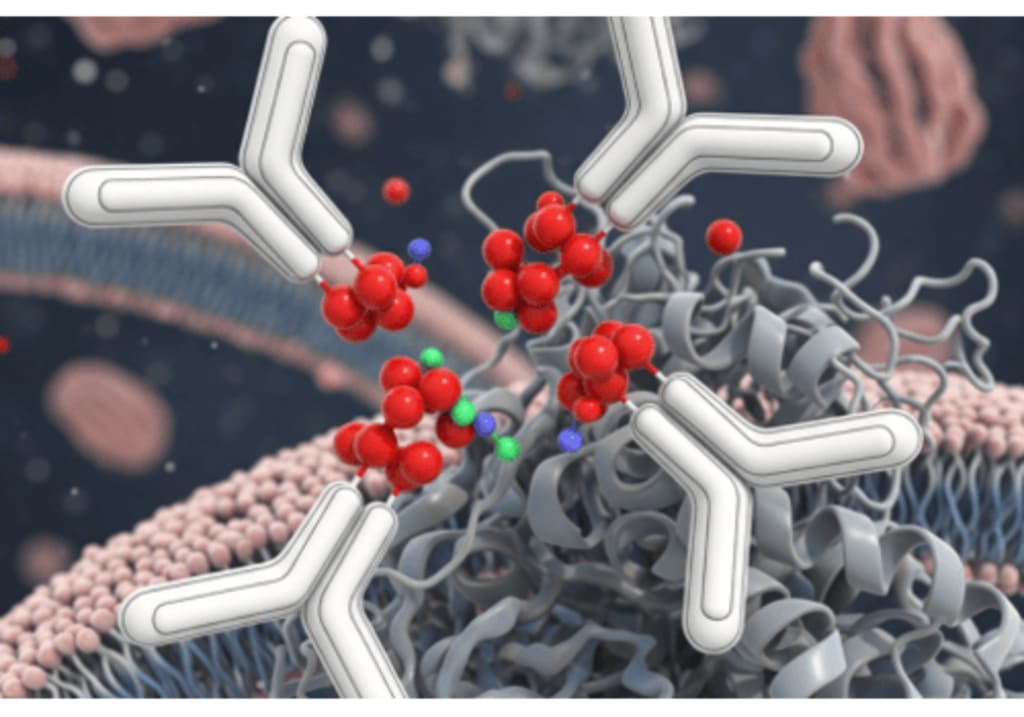
Phosphorylation is one of the most important post-translational modifications that control cell signaling. It regulates almost every aspect of cell behavior, including growth, survival, movement, and gene expression.
In cancer, many signaling pathways become abnormally activated due to improper phosphorylation of key proteins. Phospho-specific antibodies have therefore become essential tools in cancer research because they allow scientists to study phosphorylation events with precision.
Phospho-specific antibodies are designed to recognize proteins only when a particular amino acid residue—usually serine, threonine, or tyrosine—is phosphorylated. This unique specificity enables researchers to understand when, where, and how signaling pathways are activated in cancer cells.
Understanding Phosphorylation in Cancer Biology
Phosphorylation acts as a molecular switch that turns protein activity on or off. Kinases add phosphate groups to proteins, and phosphatases remove them. In cancer, mutations or abnormal activity in kinases and phosphatases lead to persistent activation of pathways that promote uncontrolled growth.
For example, pathways such as MAPK, PI3K/AKT, JAK/STAT, and NF-κB are frequently hyperactivated in tumors. These pathways regulate essential processes like cell cycle progression, apoptosis resistance, angiogenesis, and metastasis.
So, researchers often study this activation using phospho-specific tools such as the anti-phospho NFκB p65 antibody, which detects phosphorylation at a key site required for NF-κB to enter the nucleus and activate cancer-promoting genes. This helps scientists understand how inflammatory signals contribute to tumor growth.
Because phosphorylation is dynamic and reversible, highly specific tools are needed to detect it. Phospho-specific antibodies provide the level of precision required to distinguish phosphorylated proteins from their non-phosphorylated forms.
What Makes Phospho-Specific Antibodies Unique?
Unlike general antibodies that bind to an entire protein, phospho-specific antibodies recognize only the phosphorylated version of a protein at a specific site. They are produced using short phosphopeptides that mimic the exact sequence around the phosphorylation site.
Their major features include:
High specificity – They distinguish between phosphorylated and non-phosphorylated residues, even when the difference is a single phosphate group.
Site specificity – They detect phosphorylation only at a targeted residue, such as Ser473 of AKT or Tyr705 of STAT3.
Sensitivity – They can detect very low levels of phosphorylated proteins, which is crucial because phosphorylation is often transient.
These characteristics make phospho-specific antibodies powerful tools for mapping signaling networks in cancer cells.
Applications of Phospho-Specific Antibodies in Cancer Research
Monitoring Activation of Oncogenic Pathways
Phospho-specific antibodies help track the activation status of cancer-related pathways. Since phosphorylation often reflects pathway activation, these antibodies allow detection of active signaling in both cultured cells and tumor tissues.
For example, phosphorylated ERK1/2 indicates MAPK pathway activation, while phosphorylated AKT shows heightened survival signaling commonly seen in tumors.
Studying Drug Mechanisms and Therapeutic Responses
Targeted therapies often aim to inhibit kinases or block downstream phosphorylation events. Phospho-specific antibodies help determine whether these treatments successfully suppress their intended targets.
They are routinely used in:
- Preclinical drug testing
- Monitoring patient response in clinical studies
- Biomarker discovery
Measuring phosphorylation before and after treatment provides clear insight into drug performance.
Identifying Resistance Mechanisms
Cancer cells adapt to therapies by restoring phosphorylation through mutations, compensatory signaling, or increased kinase activity. Phospho-specific antibodies allow researchers to detect these changes and understand how resistance develops.
Investigating Tumor Microenvironment Signaling
Cells in the tumor microenvironment—such as immune cells, fibroblasts, and endothelial cells—communicate through phosphorylation-driven signals. Phospho-specific antibodies help map these interactions and reveal how they support tumor survival and immune evasion.
Techniques That Use Phospho-Specific Antibodies
Western Blotting
Used to compare phosphorylation levels in cell or tissue lysates.
Immunohistochemistry (IHC)
Allows visualization of phosphorylated proteins directly in tumor tissue, providing spatial context.
Flow Cytometry
Useful for single-cell analysis of phosphorylation, especially in blood cancers.
ELISA and Multiplex Assays
Enable high-throughput quantification of phosphorylated proteins, supporting biomarker development.
Conclusion
Phospho-specific antibodies have transformed cancer research by enabling precise detection of phosphorylation events that regulate cell growth and survival. They play a critical role in monitoring oncogenic signaling, evaluating therapeutic responses, identifying drug resistance, and studying tumor–microenvironment interactions.
As targeted cancer therapies continue to advance, phospho-specific antibodies will remain indispensable tools for exploring cancer biology and improving treatment strategies.
About the Creator
Mia Bella
A beauty enthusiast and expert, Mia Bella is dedicated to sharing the latest trends, tips, and product reviews. With a passion for skincare and makeup, she empower others to enhance their natural beauty and confidence.
5D Planet Explained. What It Means for Your Relationships and Career.
Have you ever felt like something fundamental is shifting inside you, even while the external world looks the same? Many people today are experiencing this inner transformation and searching online for answers. The concept of the “5D planet” describes a shift in human consciousness—from what is commonly called 3D awareness to 5D awareness.
By Wilson Igbasiabout 11 hours ago in Humans



Comments