
Robotic Legs:
Pioneering Mobility Solutions in China

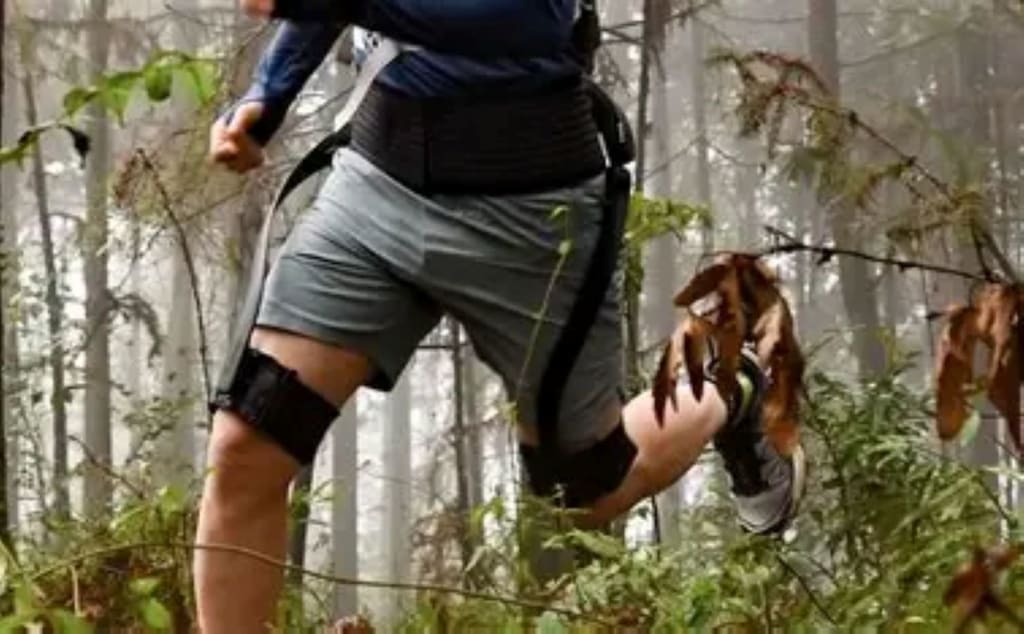
As technology advances, robotic legs are emerging as groundbreaking solutions for enhancing human mobility. In China, a country known for its rapid technological innovation, robotic leg technologies are being developed not only to support adventurous mountain climbers but also to provide essential assistance to the elderly population. This article delves into the mechanics, applications, costs, and future prospects of robotic legs in these contexts, highlighting their transformative potential.
Understanding Robotic Legs
What Are Robotic Legs?
Robotic legs, often referred to as exoskeletons, are wearable devices designed to augment human motion. These advanced mechanical systems utilize a combination of motors, sensors, and artificial intelligence to aid movement, providing support where users may have physical limitations. They can enhance the natural capabilities of the human body through external assistance, making them effective for a wide range of applications.
Components of Robotic Legs
1. Sensors: Sensors are integral to robotic legs, detecting user movement, weight distribution, and orientation. They ensure that the robotic legs respond accurately to the user’s intentions, providing a seamless experience when walking or climbing.
2. Actuators: Actuators convert electrical energy into mechanical movement. They are crucial for enabling movement in robotic legs, allowing them to support or propel the user as needed.
3. Control Systems: Advanced algorithms and control systems process information from sensors and manage the actuators. This ensures smooth coordination and movement, allowing users to walk or climb effortlessly.
4. Power Supply: Most robotic legs use lithium-ion batteries that provide sufficient power for extended use. Battery management systems help optimize energy consumption.
The Role of Robotic Legs in Mountain Climbing
Enhancing Adventure in China
China boasts some of the world's most breathtaking mountain ranges, attracting climbers and adventurers from around the globe. However, the specific challenges of climbing such terrains can be daunting, especially for individuals with physical disabilities or reduced mobility. Robotic legs are being developed to change this narrative, offering enhanced stability, durability, and strength for climbers.
1. Increased Stability and Control:
Robotic legs provide additional balance and stability on uneven surfaces. This is vital when navigating rocky paths or steep inclines, reducing the risk of falls.
2. Strength Augmentation:
Climbing can be physically demanding, and robotic legs assist by providing extra torque and force when needed. This allows climbers to tackle more challenging paths without fearing exhaustion.
3. Safety Features:
Many robotic legs include built-in safety features, such as automatic shut-off when a fall is detected or adjustable resistance for different terrains. This adds an extra layer of security for users.
Notable Developments
Chinese organizations and universities have been at the forefront of this technological development. An example includes collaborations between universities such as Tsinghua University and robotics firms, focusing on producing lightweight, durable exoskeletons tailored for mountain climbing.
Addressing Elderly Mobility Challenges
The Elderly Population in China
China’s aging population is rapidly increasing, with projections indicating that by 2040, nearly 35% of the population will be over the age of 60. This demographic shift poses significant challenges, particularly concerning mobility and independence. Robotic legs are seen as a potential solution to help the elderly maintain their quality of life.
1. Prevention of Falls:
Falls are a leading cause of injury among the elderly. Robotic legs can help maintain balance and provide a stable support system, drastically reducing fall risk.
2. Improved Mobility:
For those with arthritis, muscular atrophy, or other mobility issues, robotic legs can facilitate walking and movement, enabling seniors to carry out daily activities independently.
3. Enhanced Psychological Well-Being:
Regaining mobility often leads to improved mental health and emotional well-being for the elderly. Robotic legs encourage social interaction and reduce feelings of isolation.
Customization for Individual Needs
One of the most compelling aspects of robotic legs for elderly assistance is the potential for customization. Features such as adjustable support levels, control sensitivity, and even personalized training programs can be tailored to meet the user's unique needs.
Economic Considerations: Cost and Availability
Overview of Costs
The costs associated with robotic legs can vary widely based on technology, capabilities, and applications.
- Elderly Assistance Models: Basic models that provide essential support typically start at around $10,000. These may include features like adjustable support and basic sensors.
- Advanced Climbing Models: More advanced exoskeletons designed for mountain climbing can range from $20,000 to $50,000 or even higher. These models often incorporate sophisticated technologies, such as real-time terrain assessment and enhanced battery life.
Purchasing Options
Robotic legs can be purchased directly from manufacturers or through specialized medical supply companies. Notable players in the Chinese market include:
- Humbert Technologies: Known for its innovative designs in robotic assistance.
- Wonders Robotics: Focuses on creating user-friendly exoskeletons tailored for various demographics.
- ExoHealth: Offers customizable exoskeletons with a focus on elderly care.
Insurance and Subsidies
The cost of robotic legs may also be mitigated through health insurance coverage or government subsidies aimed at assisting the elderly. This can make them more accessible to those in need.
Research and Development: Looking Ahead
Future Innovations
The trajectory of robotic legs indicates a future filled with innovation. Key areas of research include:
1. Artificial Intelligence Integration:
AI is being integrated to improve user experience, enabling robotic legs to learn from user behavior and optimize performance in real-time.
2. Lightweight Materials:
Advances in materials science are leading to the development of lighter, stronger materials, making robotic legs more comfortable and easier to wear for extended periods.
3. Remote Monitoring:
Future robotic legs may include features for remote monitoring and data collection, allowing healthcare providers to track the user’s mobility, progress, and overall health.
4. User-Controlled Customization:
Enhanced interfaces that allow users to customize the performance settings of their robotic legs will become increasingly common, facilitating more personalized uses.
Conclusion
Robotic legs signify not just a technological innovation but a transformative tool that can change lives. In China, their development for both mountain climbing and elderly assistance represents a critical advance in addressing mobility challenges. As technology continues to evolve, the potential impact on society may be profound, offering newfound independence and adventure to many.
The future of robotic legs presents exciting opportunities, with ongoing research and development promising even more enhancements. As these devices become more accessible, we may witness a significant shift in how we approach mobility, health, and well-being for diverse populations.
I am a global nomad/permanent traveler, or coddiwombler, if you will, and I move from place to place about every three months. I am currently in Peru and heading to Chile in a few days and from there, who knows?. I enjoy writing articles, stories, songs and poems about life, spirituality and my travels. You can find my songs linked below. Feel free to like and subscribe on any of the platforms. And if you are inspired to, tips are always appreciated, but not necessary. I just like sharing.
YouTube Top Song List.
https://www.YouTube.com/results?search_query=julia+o%27hara+top+songs
Amazon PlayList
https://www.amazon.com//music/player/artists/B0D5JP6QYN/julia-o'hara
Spotify PlayList
https://open.spotify.com/artist/2sVdGmG90X3BJVn457VxWA
You can also purchase my books here:
https://www.lulu.com /spotlight/julie-ohara
About the Creator
Julie O'Hara - Author, Poet and Spiritual Warrior
Thank you for reading my work. Feel free to contact me with your thoughts or if you want to chat. [email protected]
Keep reading
More stories from Julie O'Hara - Author, Poet and Spiritual Warrior and writers in Humans and other communities.
The Vibrant Legacy of Purple Corn in Peru
Purple corn, known as "maíz morado" in Spanish, is a treasured ingredient in Peru, distinctive not only for its rich hue but also for its deep historical roots and numerous applications. This article explores the fascinating history of purple corn, its culinary uses, and provides a couple of delicious recipes to showcase this unique ingredient.
By Julie O'Hara - Author, Poet and Spiritual Warrior4 months ago in Humans
The CEO of Everything
They say "jack of all trades, master of none," but they forgot to mention the part where the jack of all trades is also the camera woman, the makeup artist, and the person currently yelling at a tangled Wii microphone cable in a her own bathroom while recording herself singing and trying to make it look realistic and professional. (As professional as you can make it with nothing but a cell phone camera and a mic that doesn't work)
By Sara Wilson6 days ago in Humans
Pondering as I Wander
Our mind is the place that tells the truth about who we are. It’s the time capsule that we as individuals hold the key to. Some waiting to unlock it, while some throw the key away. In hopes of keeping ourselves locked away, as if it makes us untouchable.
By Deana Cabison2 days ago in Humans




Comments
There are no comments for this story
Be the first to respond and start the conversation.