
Reducing Dementia Risk Progression
Dementia Risk

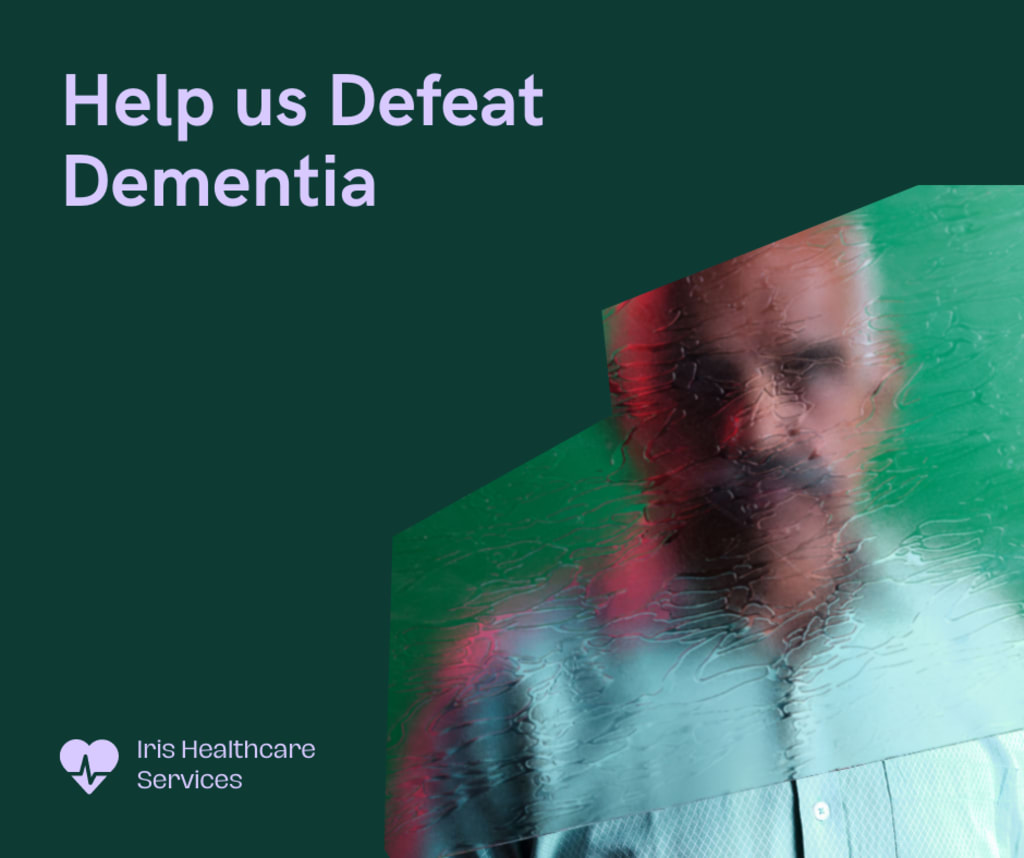
There are a number of lifestyle factors that have been shown to reduce the risk of dementia or slow its progression. Here are a few examples:
Exercise regularly: Physical activity has been shown to improve brain function and reduce the risk of developing dementia. Aim for at least 30 minutes of moderate-intensity exercise, such as brisk walking, most days of the week.
Maintain a healthy diet: Eating a diet that is high in fruits, vegetables, and whole grains and low in saturated fats, trans fats, and cholesterol can help reduce the risk of developing dementia.
Quit smoking and limit alcohol consumption: Both smoking and excessive alcohol consumption are major risk factors for dementia. Quitting smoking and drinking alcohol in moderation can help reduce the risk of dementia.
Keep mentally and socially active: Keeping your mind active by doing things like reading, playing games, and solving puzzles, and staying socially connected can help reduce the risk of dementia.
Control blood pressure, diabetes, and cholesterol: High blood pressure, diabetes, and high cholesterol are all risk factors for dementia. Controlling these conditions can help reduce the risk of developing dementia.
It's worth noting that these are not guaranteed to prevent dementia, but can help reduce the risk. It's also important to consult your doctor and continue monitoring your health condition if you have any of these risk factors, such as family history of dementia and other chronic health issues.
In addition to the lifestyle factors that I mentioned earlier, there are also several other strategies that may help reduce the risk of developing dementia or slow its progression. Here are a few examples:
Get enough sleep: Sleeping for 7-8 hours per night has been shown to be protective against dementia. A lack of sleep can lead to an accumulation of beta-amyloid, a protein that is thought to play a role in the development of Alzheimer's disease.
Control your stress level: Chronic stress has been linked to an increased risk of dementia. Stress management techniques, such as mindfulness meditation and yoga, can help reduce stress and improve overall cognitive function.
Get your hearing checked: Hearing loss has been linked to an increased risk of dementia. If you notice that your hearing is declining, it's important to get it checked and treated.
Take care of your heart: Cardiovascular disease is a major risk factor for dementia. Taking care of your heart by maintaining a healthy diet, getting regular exercise, and controlling high blood pressure, diabetes, and high cholesterol can help reduce the risk of developing dementia.
Supplements: Some studies have suggested that taking certain supplements such as Vitamin D, Vitamin B12 and omega-3 fatty acids may help to prevent or slow down the development of dementia. However, it's important to talk to your doctor before starting any supplements as they can interact with other medications.
It's also important to remember that these are risk reduction strategies, not guarantees. If you have any concerns about your cognitive health, it's important to consult with a healthcare professional.
Additionally, While some of these interventions may have a preventative role, no single strategy has been proven to prevent or cure dementia. They should not replace medical diagnosis and treatments.
Dementia can have a genetic component, but it is not strictly inherited. Some types of dementia, such as early onset Alzheimer's disease and Huntington's disease, are caused by specific genetic mutations that are inherited in an autosomal dominant manner, meaning that a person only needs to inherit one copy of the mutant gene to develop the disease. However, most cases of dementia are not caused by a single gene and are likely the result of a combination of genetic and environmental factors.
Some genetic factors can increase the risk of developing dementia, and having a family history of dementia can make a person more susceptible to developing the condition. However, it's important to remember that just because someone in your family has been diagnosed with dementia, it doesn't necessarily mean that you will develop the condition.
Risk factors such as age, unhealthy lifestyle, hypertension, head injury, diabetes, and low education level are considered more important than genetics in the development of dementia. These risk factors can vary in importance and don’t always lead to the development of dementia, but if several of these risk factors are present, the chances of developing dementia will be higher.
It's worth consulting a healthcare professional if you are concerned about your own risk of developing dementia or if you have a family history of the condition, as they can help you understand your individual risk and guide you through lifestyle changes that may reduce your risk.
About the Creator
Keep reading
More stories from writers in Humans and other communities.
What car troubles taught me about perfectionism
Often, when we’re chasing perfection, it can feel like everything goes wrong at once. One thing breaks, then another. A friend seems a bit distant and then an unexpected phone bill arrives. Before long, we start telling ourselves that everything has gone to shit and it’s all our fault.
By Chelsea Branch3 days ago in Humans
Goodbye, Mr. Duvall
It is turning out to be an interesting year. I was in the middle of teaching a class when a pop-up appeared on the screen announcing the death of Mr. Robert Seldon Duvall (yes, that was his full name). I was in the middle of a discussion on the obsession we have with winning when it comes to sports (the Winter Olympics was a theme), and I felt as though things were coming full circle. We had already lost Gene Hackman last year, and along with that titan, it feels though one particular golden age has closed off to be replaced by...?
By Kendall Defoe 4 days ago in Geeks
The Cave Part 6
If you have ever heard a tale about yourself that you cannot remember and doubtless think is made up, you will know how I felt when Tharkin related all that the eagle had seen of me before my memories were scattered. Of far distances and traveling companions that I did not recall, camping out under the stars and making our way to the mountains with deliberate purpose. The great bird had lost contact with my party once we entered the forests, and the seven other members were not seen again by him or his brethren since.
By Jamye Sharp5 days ago in Chapters


Comments
There are no comments for this story
Be the first to respond and start the conversation.