
Ratan Tata and the Quiet Burden of Ethical Leadership in India
Some leaders speak loudly and leave behind noise. Others work quietly and leave behind a standard.

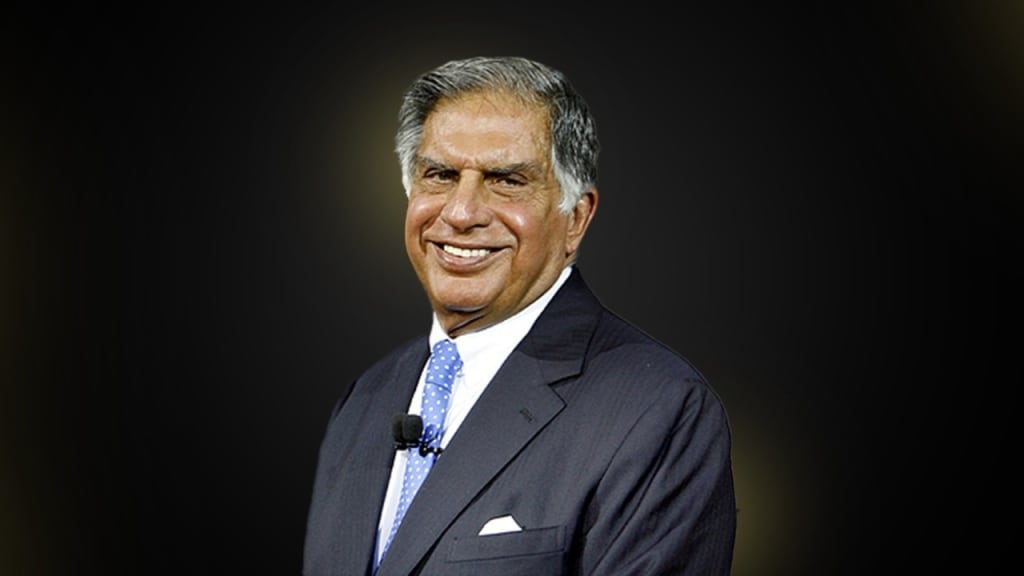
Some leaders speak loudly and leave behind noise. Others work quietly and leave behind a standard. Ratan Tata belongs to the second kind. His name carries weight, not because of constant visibility, but because of consistency over time. In a country shaped by rapid change, ambition, and inequality, his approach felt steady and restrained. This article is not about celebrating success in numbers or milestones. It is about understanding how Ratan Tata became a symbol of ethical leadership in India. His story matters because it shows how power can exist without arrogance and how influence can grow without constant self-promotion. For many, his journey feels personal, even from a distance.
Who Is Ratan Tata
Ratan Tata is one of India’s most respected industrial figures. He led the Tata Group for over two decades, guiding one of the country’s oldest business houses through periods of major change.
Yet his public image has always felt different from that of typical business leaders. He rarely spoke about personal wealth. He avoided spectacle. He let decisions speak for themselves.
This restraint shaped how people understood his leadership.
Early Life and Personal Challenges
Growing Up With Distance and Discipline
Ratan Tata was born into privilege, but his early life was not emotionally easy. His parents separated when he was young, and he was raised largely by his grandmother.
This upbringing created distance, but also discipline. He learned independence early.
That emotional space shaped his quiet personality.
Education and Exposure
He studied architecture and structural engineering, spending time abroad before returning to India.
This exposure gave him a broader view of design, planning, and systems. It also made him more aware of how India was seen from the outside.
He returned not with urgency, but with intention.
Entering the Tata Group
Starting From the Ground
Despite his family name, Ratan Tata did not begin at the top. He worked on the shop floor, dealing with heat, noise, and routine labor.
This experience mattered. It grounded his understanding of workers’ lives.
It also earned respect quietly, without announcement.
Learning the System Slowly
He observed before changing. He listened before acting.
This slow learning process shaped his later decisions as a leader.
It taught him that large systems move best when guided patiently.
Taking Over Leadership
A Difficult Transition
When Ratan Tata became chairman of the Tata Group, the transition was not smooth. The group was deeply traditional, with strong personalities and old structures.
Many doubted his leadership.
He did not respond with force. He responded with time.
Making Tough Choices
Over the years, he made difficult decisions that reshaped the group. Some businesses were closed. Others were restructured.
These choices were often unpopular at first.
But they were guided by long-term thinking rather than short-term comfort.
Ethical Leadership in Practice
Values Over Speed
Ratan Tata consistently emphasized values over haste. Deals were evaluated not only for profit, but for alignment with principles.
This approach sometimes meant walking away from opportunities.
He accepted slower growth when integrity was at stake.
Responsibility Beyond Shareholders
Under his leadership, the Tata Group continued to focus on social responsibility. Education, healthcare, and rural development remained priorities.
This was not treated as charity. It was seen as duty.
That distinction mattered.
Major Decisions That Defined His Tenure
Global Expansion With Caution
Ratan Tata oversaw the group’s expansion into global markets. These moves were ambitious, but also risky.
Not all of them succeeded.
He acknowledged failures without defensiveness.
Accepting Mistakes Publicly
One of his defining traits was accepting responsibility when things went wrong.
He did not shift blame downward.
This honesty strengthened trust, even during setbacks.
The Human Side of Leadership
A Reserved Public Persona
Ratan Tata rarely spoke about his personal life. He avoided personal branding.
This made him feel distant to some, but sincere to many.
People sensed that his focus was on work, not image.
Empathy Without Display
Those who worked closely with him often describe quiet empathy. He noticed details. He remembered names.
He did not announce kindness.
It appeared in private actions.
Relationship With Employees
Respect Across Levels
Ratan Tata treated factory workers and senior executives with similar respect.
He believed dignity should not depend on position.
This attitude shaped company culture.
Listening as Leadership
He listened more than he spoke in meetings.
This allowed others to contribute without fear.
It also helped surface problems early.
Handling Public Criticism
Staying Calm Under Scrutiny
As a prominent figure, Ratan Tata faced criticism from media, competitors, and public voices.
He rarely responded publicly.
Silence, for him, was not avoidance. It was restraint.
Letting Time Answer Questions
Many decisions that were criticized early gained understanding later.
He trusted time to clarify intent.
This patience became part of his leadership identity.
Retirement and Stepping Back
Leaving Without Clinging
When Ratan Tata retired as chairman, he did not attempt to retain control quietly.
He stepped back visibly.
This allowed new leadership to grow without shadow.
Staying Present Without Interference
Though retired, he remained a guide when asked.
He offered advice without imposing direction.
This balance is rare.
Ratan Tata and Youth Perception
A Figure of Trust
Many young people in India see Ratan Tata as a symbol of trust rather than power.
His calm presence contrasts with louder figures.
This difference stands out.
Influence Without Noise
He does not rely on speeches or constant appearances.
Yet his words, when spoken, carry weight.
This influence grows from consistency.
Philanthropy as Responsibility
Giving Without Performance
Ratan Tata’s philanthropic work is extensive, yet rarely highlighted by him.
There is little performance in his giving.
It reflects belief, not image.
Long-Term Impact
Educational institutions, medical research, and community projects benefited quietly.
The focus stayed on outcomes, not credit.
Leadership During National Change
Navigating Economic Shifts
India changed rapidly during his leadership years. Markets opened. Competition increased.
Ratan Tata guided the group through this without abandoning values.
This balance was difficult, but intentional.
Preserving Identity While Adapting
He believed growth should not erase identity.
The Tata name remained associated with trust.
This continuity mattered.
Public Silence and Its Meaning
Choosing When Not to Speak
Ratan Tata often chose silence in moments of public pressure.
This was not passivity.
It was deliberate restraint.
Trusting Actions Over Words
He believed actions would carry more truth than statements.
This belief shaped his public presence.
Personal Loneliness and Strength
A Private Life
Ratan Tata never married. He lived a largely private life.
This solitude shaped his independence.
It also added emotional complexity.
Strength in Self Reliance
He appeared comfortable standing alone in decisions.
This self reliance helped him resist pressure.
How History May Remember Him
Beyond Business Metrics
History may remember Ratan Tata not for expansion alone, but for restraint.
For choosing long-term trust over quick reward.
For carrying leadership with humility.
A Measure of Character
His legacy rests on character as much as achievement.
That balance is rare.
Lessons From Ratan Tata’s Life
Integrity as Daily Practice
Integrity, in his case, was not a slogan.
It was practiced daily through decisions.
Leadership Without Spectacle
His life shows leadership does not require noise.
Quiet consistency can shape institutions.
Why Ratan Tata Still Matters
In a Noisy World
Today’s world rewards visibility and speed.
Ratan Tata represents an alternative.
His example feels grounding.
A Reminder of Responsibility
Power carries responsibility.
His life reminds us that how power is used matters deeply.
Conclusion
Ratan Tata’s story is not about perfection or uninterrupted success. It is about restraint, responsibility, and quiet courage. He led without spectacle and made decisions that favored long-term trust over short-term comfort. In doing so, he carried a burden that many leaders avoid, the burden of ethical consistency. His life shows that leadership does not need to shout to be heard. Sometimes, the most lasting influence comes from calm decisions made away from the spotlight. In a world drawn to noise, Ratan Tata remains a steady reminder that character still matters.
About the Creator
Muqadas khan
Hi! Welcome to my Vocal page. I’ll be sharing fresh articles every day covering stories, ideas, and a bit of inspiration to brighten your feed. Thanks for reading and supporting daily writing! 📖💫
Keep reading
More stories from Muqadas khan and writers in Humans and other communities.
Gold Price Today and the Quiet Fear Behind Every Gram
Gold has always carried more than just value. It carries memory, fear, hope, and quiet reassurance. When people search for gold price today, they are not only looking for numbers. They are checking safety. A wedding plan. A future backup. A decision they have been delaying. Gold sits silently between emotion and economics. It reflects inflation, global tension, and personal dreams all at once. A small rise or fall can change how someone feels about saving, buying, or waiting. This article looks closely at gold price today, not as a market chart, but as a living signal. One that responds to trust, uncertainty, and time. By the end, you will understand not just where gold stands today, but why it keeps holding our attention.
By Muqadas khan25 days ago in Humans
Kundalini Awakening Stages People Experience in Silence.
Kundalini awakening is a profound spiritual process in which latent energy at the base of the spine rises through the chakras, activating higher consciousness and deep transformation. Unlike dramatic portrayals in media, much of this process is experienced silently and internally. People often go through stages that are subtle, personal, and invisible to others, leading to confusion or misunderstanding. Understanding these stages helps individuals navigate their spiritual journey with awareness, patience, and self-compassion.
By Wilson Igbasi7 days ago in Humans
The Devil's Cut
“Comrade, finally you’re awake.” The voice was smooth, sensual. A flickering incandescent bar was all that lit the white, sterile room. All Vladimir remembered was everything going black. He tried to move his arms and found them strapped to the gurney.
By Matthew J. Fromm5 days ago in Fiction



Comments
There are no comments for this story
Be the first to respond and start the conversation.