
Preventing Prescription Drug Abuse at Home
Recent research and statistics on drug use show that in the United States alone, 52 million people over the age of 12 have used prescription drugs for non-medical purposes in their lifetime.
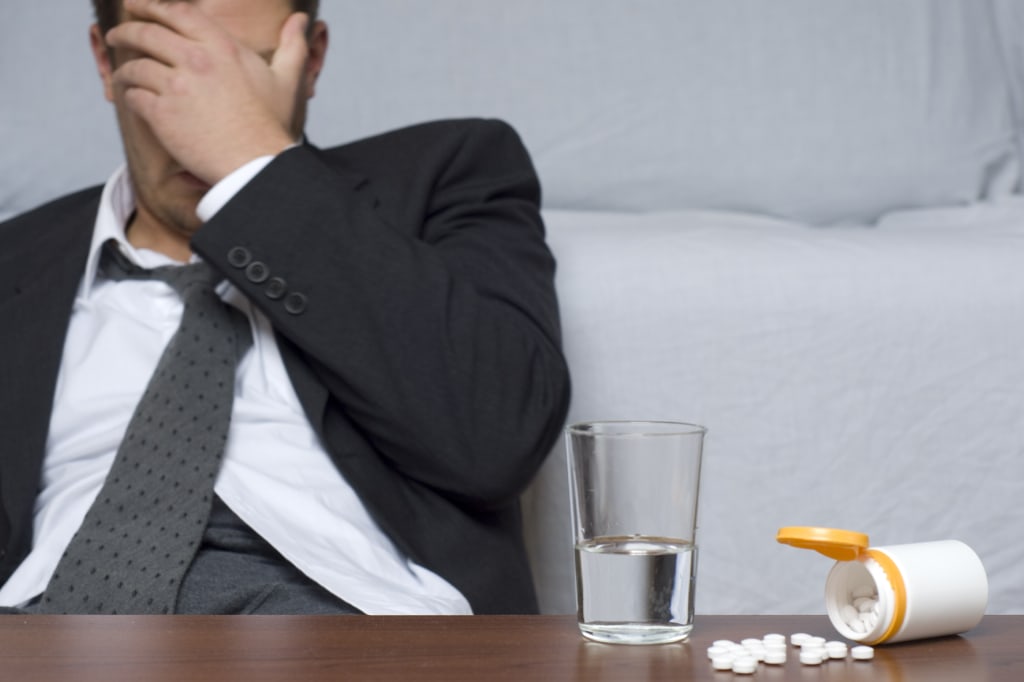
The same studies also show that over 6 million people have used drugs non-medically in the past month. Considering these stats, it's no wonder the opioid epidemic is at large. Fortunately, there are plenty of ways we can stop medicine abuse and prevent it. Here are some realistic and easy-to-follow tips for preventing prescription drug abuse at home and keeping yourself and your loved ones safe.
Tips for Preventing Prescription Drug Abuse at Home
Statistics alone are enough to make us stop and think about how we use our medications and the consequences of abusing or misusing them. Especially if you or someone you know takes prescription drugs regularly, t’s never too late to take precautions. One of the first essential steps is knowing how to avoid becoming a statistic.
Here are helpful tips for preventing prescription drug abuse in your home and protecting yourself and your loved ones.
Spend Time With Loved Ones
This is a simple yet very powerful tip. Not only can creating and maintaining a loving relationship with your family and as well as a happy home help prevent substance abuse, but being close to loved ones also allows you to catch any red flags related to drug use early on.
It’s also important to spend more time with people you trust. These can include your parents, your siblings, your good friends, or some close relatives. You should also avoid spending time with people who abuse prescription drugs or engage in any other form of substance abuse, as they’re likely to encourage and even pressure you into this behavior.
Keep Drugs Out of Reach
Home is where teenage drug abuse usually begins, so it’s important to make sure that your medications are stored securely. The best way to lock up your medications is to put them in a lockable drawer, cabinet, or a safe. You can also find a place where your children and other people in the house cannot reach or access them. Overdose is a major risk among children who have easy access to prescription drugs in their homes. You can purchase a lockbox for prescription drugs, and you can also request child-resistant caps when you visit your pharmacist.
Do Not Save Drugs for Later Use
A lot of us do this, but it boils down to whether or not the medications you are saving for “next time” are highly addicting or not. There are substances that you have to immediately dispose of (safely, of course) right after your condition has been treated or when your doctor tells you to do so. Keeping or saving your medication "just in case" is a subtle recipe for what could be a serious disaster.
Do Not Share Your Medications With Others
Many family members and friends have the habit of sharing their medications. You vent about an ailment and they respond with, “Oh, I’ve got just the thing!" However, remember that medication is prescribed to the person according to their physical health, severity of their ailments, and their medical history, all of which may differ from yours. This means that the doses and types of medications are chosen according to individual traits and are not meant for general use.
Therefore, we strongly discourage sharing your medications with others. Not only is it a third-degree felony, but it can also set someone up for an abusive cycle and even place them at risk for an overdose.
Properly Dispose of Your Medications
Improperly disposing of your medication – which includes throwing it in the trash – may leave it accessible to others in your home. It’s also not environmentally friendly. The best way to dispose of your unused or expired medications (both prescribed and over-the-counter) is to drop off the medicine at a drug take-back site, location, or program.
If you’re unable to find a drug take-back location or aren’t near one and the medicine is on the FDA flush list, you can flush it down the toilet. If it’s not on the flush list, then follow these instructions:
- Mix (do not crush them) with an unpalatable substance like dirt, cat litter, or used coffee grounds.
- Place the mixture in a container like a sealed plastic bag.
- Throw it away in your trash.
- Scratch out any personal information on your medicine bottles before throwing them away.
For more tips check out our blog here!
About the Creator
Keep reading
More stories from Meredith Lerner and writers in Humans and other communities.
How To Help A Friend With Addiction Recovery
My friend is addicted to drugs, so what can I do to help them? If you’re in this situation, then you know that helping a friend with a substance use disorder isn’t easy. From initiating the conversation about going to rehab to coping with the emotional rollercoaster of a friendship impacted by drug or alcohol abuse, aiding a close friend with something as major as recovering from addiction can be challenging, to say the least. Here are some tips on how to help a friend with addiction recovery that could help you begin the process of getting them help.
By Meredith Lerner3 years ago in Humans
Cabin Fever Because of Snow, Sleet, and Freezing Rain That Turned to Icy Roads
What Is Cabin Fever? The short answer is that cabin fever is restlessness from being in a confined area. Cabin fever is the distressing irritability or restlessness experienced when a person or group is stuck at an isolated location or in confined quarters for an extended time. Research shows that prolonged cold, gray skies, and being stuck indoors can trigger mood shifts similar to “winter blues.”
By Margaret Minnicks7 days ago in Humans




Comments
There are no comments for this story
Be the first to respond and start the conversation.