
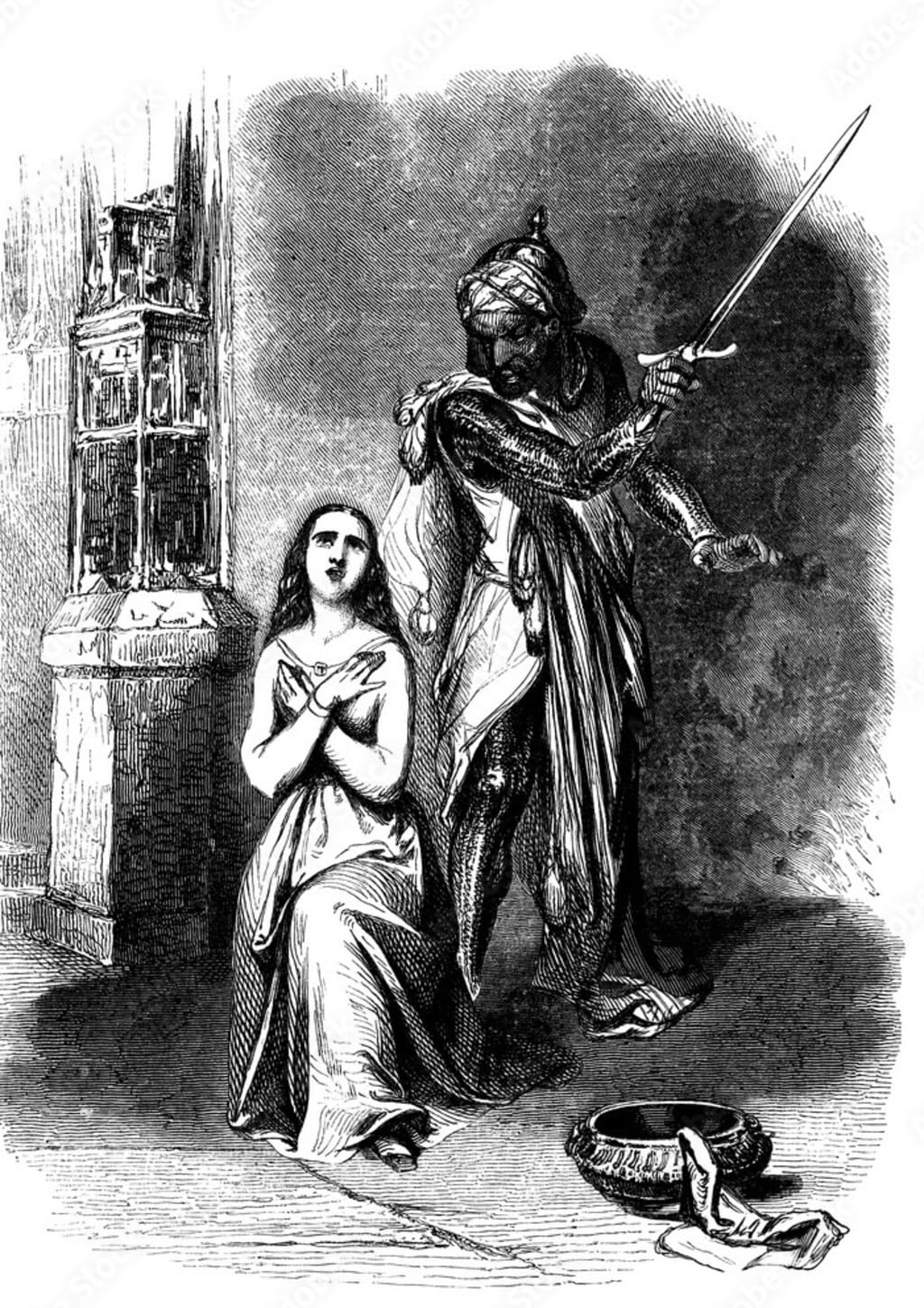
The life of women before Islam varied greatly depending on the time and place, but in general, women faced significant limitations and discrimination. In many societies, women were considered inferior to men and were treated as second-class citizens. Here are some examples of what life was like for women in different regions before the advent of Islam:
In ancient Greece, women had no legal rights and were largely confined to the home. They were not allowed to participate in politics, own property, or receive an education. Their main role was to bear children and take care of the household.
In ancient Rome, women had more legal rights than in Greece, but they were still limited in many ways. They were not allowed to vote or hold public office, and their legal status was often dependent on their husband or father. Women who were accused of adultery or other crimes could be punished with death.
In ancient Egypt, women had more opportunities than in some other ancient societies. They could own property, run businesses, and even serve as pharaohs in some cases. However, women were still expected to be subservient to men and were not allowed to hold high-ranking positions in government or religion.
In pre-Islamic Arabia, women had few legal rights and were often treated as property. They could be bought and sold, and female infanticide was common. Women were not allowed to inherit property or marry without the permission of a male guardian. They were also not allowed to participate in public life or education.
In India, women's rights varied depending on their social class. Upper-class women had more opportunities and could receive an education, but they were still expected to be subservient to men and were often confined to the home. Lower-class women had even fewer opportunities and were often subject to abuse and discrimination.
In China, women were expected to be subservient to men and were often confined to the home. They could not own property or participate in politics, and their legal rights were limited. Foot-binding, a practice in which young girls' feet were bound to keep them small and "attractive," was also common.
Overall, the life of women before Islam was marked by significant limitations and discrimination. Women were often confined to the home, had few legal rights, and were expected to be subservient to men. However, there were also examples of societies where women had more opportunities and could hold positions of power. The advent of Islam brought significant changes to the status of women in many societies, granting them more legal rights and opportunities for education and participation in public life.
Islamic rights of women are outlined in the Quran, the holy book of Islam, as well as in the Hadith, the recorded sayings and actions of the Prophet Muhammad. Islam recognizes the inherent dignity and value of all human beings, regardless of gender, and promotes equality between men and women in all aspects of life.
Here are some of the Islamic rights of women:
The right to education: Islam encourages the pursuit of knowledge, and this applies to both men and women. Women are encouraged to seek education and pursue careers.
The right to work: Muslim women have the right to work and earn a living. They are entitled to fair wages and equal employment opportunities.
The right to own property: Muslim women have the right to own and inherit property, as well as to manage their own financial affairs.
The right to choose their spouse: Muslim women have the right to choose their own spouses and to marry for love, provided that the marriage is conducted within the boundaries of Islamic law.
The right to divorce: Muslim women have the right to initiate divorce if their husbands are not fulfilling their duties towards them.
The right to be protected from abuse: Islam prohibits all forms of abuse, including physical, emotional, and sexual abuse. Muslim women have the right to be protected from all forms of abuse and violence.
The right to participate in public life: Muslim women have the right to participate in public life and to contribute to the development of their communities. They can hold positions of leadership and influence.
Overall, Islam promotes the rights of women and emphasizes the importance of treating them with dignity and respect. It is important to note that cultural and social practices may sometimes conflict with Islamic teachings, and it is the responsibility of Muslims to ensure that women's rights are protected and upheld in their societies.
About the Creator
Keep reading
More stories from Yasir Khan and writers in Humans and other communities.
Loveism
Loveism is a philosophy that places love at the center of all human endeavors. It is a belief that the power of love can transform individuals, communities, and even the world. Loveism is not a new concept, but rather a way of thinking that has been around for centuries. Loveism has been championed by many great thinkers, poets, and activists throughout history, including Mahatma Gandhi, Martin Luther King Jr., and Mother Teresa.
By Yasir Khan3 years ago in Psyche
The Moment I Understood
Back in the late 1980s, after my youngest daughter Hilary was born, life required a kind of rearranging that only new parents truly understand. We didn’t want to put her in day care — not because there was anything wrong with it, but because we wanted her to have a parent at home, someone steady and familiar. So I switched to nights at the hospital, trading daylight for fluorescent lights and the unpredictable rhythm of the Emergency Room.
By Julie O'Hara - Author, Poet and Spiritual Warrior7 days ago in Humans


Comments
There are no comments for this story
Be the first to respond and start the conversation.