
Playing Life
A young boy, an old man, and the game of Life.
While the wind whistled outside his run-down, house, Donny packed his last bag. He knew he would reach his breaking point eventually, he was just hoping he could last until adulthood. Donny lived with his parents, who abused drugs. As he got older, they moved to abusing him as well. This final argument, which was almost part of the daily routine in the Striker household, began with Donny not offering any money to his parents, knowing it would go towards drugs. The argument was put to an end when Roger Striker hit Donny so hard that the blood pooling in his mouth left him unable to speak without choking. Roger and Joanna continued yelling profanities while the floors received a fresh coat of red, thanks to Donny’s new injury.
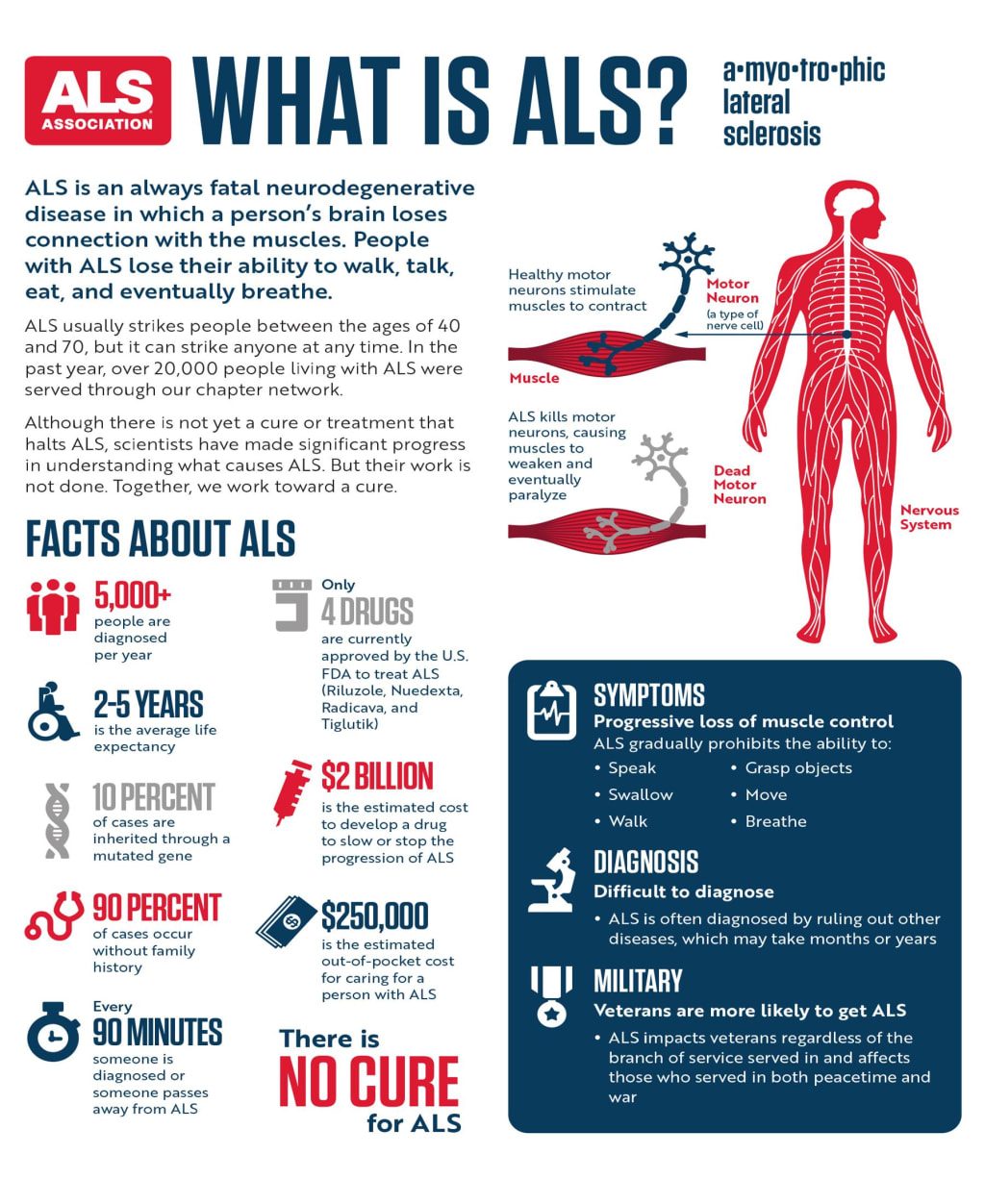
He awaited for the inevitable snores seeping out from under his parents’ bedroom door until he took one last look at his childhood home. He quietly shut the front door one final time, and began looking for an old friend. Conrad and Donny met after one of Donny’s first beatings, as an eight year-old boy. He stumbled out of the house, down the block, and saw a blue tent down an alley. This was when he met Conrad, a 61 year-old homeless man, to whom life had dealt an unfair hand. Born a Black man in the 1940s, life was already unimaginably difficult for his family. Unable to secure stable jobs or housing, his family was in and out of places throughout his childhood. Conrad saved whatever money he had made from any jobs he could find, with the goal to one day build a shelter. Conrad was unable to fulfill his dream once he developed ALS, a condition his father died from. Conrad watched his father lose strength day by day. Knowing this genetic disease was likely to be passed down, the hourglass in his mind flipped over, signaling a limit to the time he had to make his dream happen.
Conrad worked odd jobs in his teens and twenties, steadily building a savings account. What he lacked in an education, he made up for in special skills. He knew everything about cars, building, and construction. That is why his development of ALS was so detrimental; It affected every aspect of his life, until he had no life. Conrad lost his ability to work, leaving him to end up on the streets.
Donny, being a kid, could not help but ask Conrad why his body moved weird. So, he shared with him his story, leaving out his dream. Now an old man, Conrad felt silly ever dreaming so big. He had money saved, but not enough to do with it what he wanted, thus rendering it useless to him. He refused to spend the money on himself, and allowed it to collect dust in his tent.
On they went, spending their days together. What time Donny spent reading, Conrad would write in his little black notebook, labelled ‘Conrad’s Concepts’. They played games together and shared life stories. Being a part of different demographics and backgrounds, they equally learned from each other.
“Do you think life is fair?” Donny inquired one night, as they played a game of Rummy. Conrad paused before responding, setting down a trio of eights.
“It all depends on how you look at the word ‘fair’. Many see it as a synonym for ‘deserve’. Do I ‘deserve’ to have ALS? No. Do you ‘deserve’ to be a homeless teenager? No. In this sense, no, clearly life is unfair. Donny boy,” Donny smiled at the nickname, never having received one as a kid. “Life is honest,” Conrad continues, looking past Donny’s confused face. “It does not lie to us. It does not disguise itself as one thing just to turn out as another. Unfair would be a life that strung me along, convincing me that things would always work out, just for everything to crash right in my face. I always knew I was up against the odds. It was not this idea of ‘fairness’ keeping me going, but rather my own dedication. My own idea that it had to work out. Life never lied to me; I lied to myself. I knew I would ultimately end up in this position, and yet I fought it as much as I could. So, no. It’s not fair. But I never expected it to be. So I can appreciate that the unfairness never blindsided me,” Conrad finishes, unaware if the boy understood or not.
“Don’t let this discourage you,” he adds. “Life is unfair but that doesn’t mean our story is written with no room for editing. Life cannot blindside you, but you can surely blindside it!” Conrad exclaims with a genuine smile, and they silently agree to end the conversation on an optimistic note.
That night was one of the toughest that Conrad ever had. The feeling in his arms went in and out as he struggled to breathe. He looked over at Donny, whose snores proved his unconscious state. He slowly reached for his bag, and pulled out his little black notebook. He had gone this far keeping it from Donny, and knew the time was approaching to allow him inside his head. With one last glance at Donny, Conrad picked up his trusty black pen, and wrote until the sun rose.
Donny watched Conrad’s condition deteriorate over the next couple of weeks. He kept his spirits up by sharing old stories he had from his childhood. He told him about the day he and his dad spent together. They went to the park and he learned how to hit a baseball. He shared stories of his old friends, and how they used to spend all day comparing and trading Pokemon cards. He reluctantly disclosed the story of the time he got caught stealing a bracelet from the dollar market. It was long enough ago, he decided, that the humor of it overshadowed the shame.
It took too much energy for Conrad to react and ask questions, but he graciously enjoyed the stories. Donny’s retelling of his childhood seemed to parallel his own, running through the streets of the city. His imagination taking him back to the days where he would offer cheesy lines to every pretty girl he saw, hoping one would fall for it. The nostalgia was a painkiller better than anything even the very best doctor could prescribe.
They spent what would be Conrad’s final night playing their favorite game together. They enjoyed Life because it allowed them to imagine a life they could have, had it been fair to them. They could picture themselves going to college, buying a home, driving their own car. Life was their escape from life. Donny did all the piece moving, money trading, and card pulling for the both of them, while Conrad simply watched him with a small smile. Donny passed Payday again, collected the remaining money, thus signalling the end of the game. He greedily counted the money leftover and stated that he paid off all his loans, owned his own house, and managed a business. As he cleaned up and placed the money back in the bank, he imagined that one day it could be him.
“You beat Life at its own game!” Conrad says with as much enthusiasm as he can possibly muster, and Donny smiles a faux smile, not allowing Life or life to trick him.
Donny falls asleep early that night and Conrad feels his disease settling into his body, the way an old house settles. In his final action, he grabs his black notebook and gives one last glance over to his forever friend. He smiles, knowing he is not dying along. And for that, he blindsided life.
Donny cries as he stares at the black notebook, ‘Conrad’s Concepts’ now smudged with tears. It takes a lot of strength to open the cover, as he knows this will be his final interaction with Conrad, these words are the last things he would ever learn from him.
Dear Donny Boy,
Earlier this evening, you asked me about the fairness of life. I gave you a standard answer, careful not to plant unrealistic hope in your mind. But I was wrong to do so, Donny. You gave me hope. From the moment I met you, to the final weeks we got to spend together. After feeling 61 years of unfairness, I finally felt like having you in my life had made up for what I lacked in everything else. Sure I didn’t have a house or a car or even a body that could keep me healthy. But I had a forever friend in you. You gave me hope, that even at its worst, life couldn’t be that bad with you by my side.
Within my bag, you will find cash. I don’t know how much, I never got around to counting it. I started saving that money to fulfill my dream of building a shelter. Something for kids going through hardships, so no one after us ever has to live like this. Once I came to the realization that this disease was taking over my body, my dream drifted further and further away. I was too ashamed that I had failed, that I couldn’t spend the money on myself. But make no incorrect assumption; I am happy to pass this money on to you, and I support whatever you choose to do with it.
Know that I did not die angry. I chose to forgive the world. I forgive it for what it put my family through. I forgive it for this crushing disease. I forgive it for forcing me to live my remaining years in a tent.
I forgive the world because it has you.
Your Forever Friend,
Conrad
Donny reads the letter over and over. He reads it until he has it memorized, he reads it until the words no longer make sense, he reads it until he no longer can, afraid his tears will permanently stain the pages. He shuts his eyes, and he visualizes the words. He never knew about Conrad’s plan of opening a children’s shelter. He wonders how much that would cost…
“You would like to deposit this $20,000 check into this person’s account?” The banker asks Donald.
Before answering, Donald reflects back to his first time reading Conrad’s letter. Unbeknownst to Conrad, his letter would give Donald a purpose. All young Donald knew was that it was up to him to actualize Conrad’s legacy. He took the $20,000 from the bag and immediately made a plan. Using the remainder of the pages in ‘Conrad’s Concepts’, Donald meticulously mapped out his next steps. He was able to find temporary housing and attend a community college through scholarships. He felt slightly bad using Conrad as his go-to story for the trauma porn that is college and scholarship essays, but he knew that Conrad would approve of his playing into the system. Donald studied and worked hard, graduating at the top of his class with an Engineering degree. He easily found jobs, his intelligence making up for his lack of prior experience. After working and saving for ten years, he knew it was time to finally kick the rest of the plan into high gear. He gathered his college friends, and together they began building.
A chilly day in October, the sign was released, revealing the name of Indiana’s newest children’s shelter; “Home for Victims of the Unfair”. Kids filed in daily, many coming from similar backgrounds as Donald and Conrad. Donald, an everyday visitor of the shelter, immediately grew a close bond with one of the kids, a 16 year-old boy named Connor, who had just left home.
“Sir, are you sure you would like to make this large of a deposit into Connor Pugh’s account? This action cannot be undone,” the banker repeats.
Donald nods and smiles, “I beat life at its own game.”
About the Creator
Keep reading
More stories from writers in Humans and other communities.
Whiskey At Dusk
Guess the whiskey was more important to you in the end, wasn’t it? It was more than the well-being of your friends; more vital than showing up to the places you promised you would and could come to; more critical of a matter than fulfilling your damn responsibilities and getting the press off your back.
By Snarky Lisaa day ago in Humans


Comments
There are no comments for this story
Be the first to respond and start the conversation.