
Physical health and balance
Maintaining physical health and balance
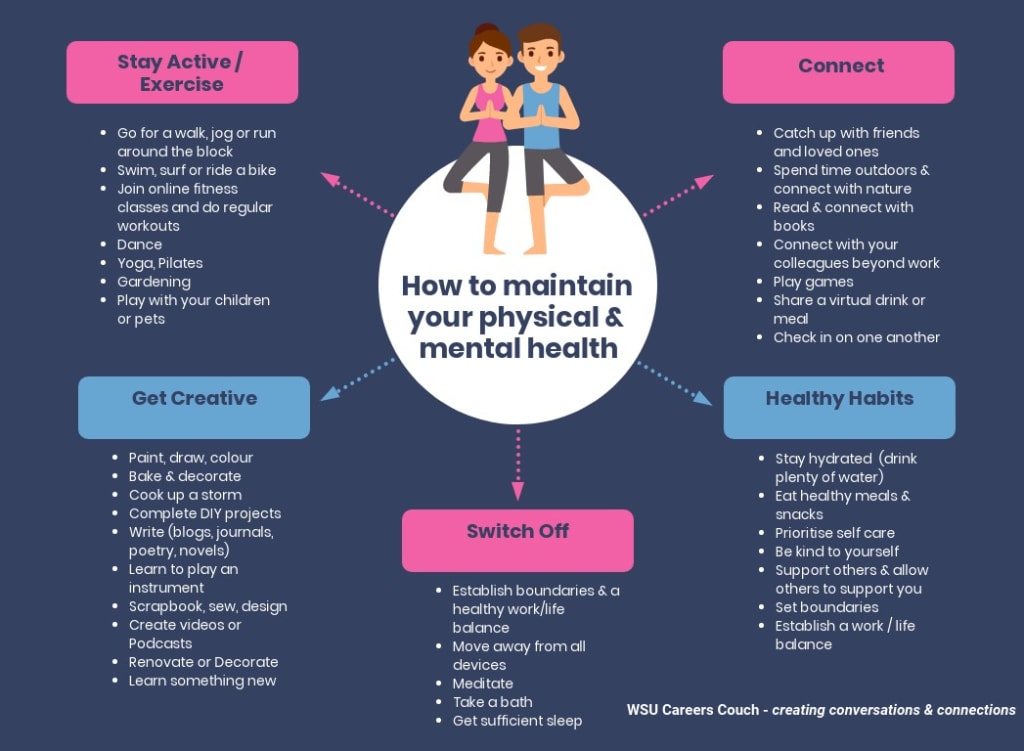
MAINTAINING YOUR PHYSICAL & HEALTH BALANCE
Maintaining Physical and Health Balance: Strategies for a Balanced Lifestyle
In our fast-paced and demanding modern world, it is essential to prioritize physical and health balance. Achieving and maintaining a balanced lifestyle contributes to overall well-being, energy, and longevity. By incorporating healthy habits into our daily routines, we can optimize physical fitness, mental well-being, and prevent the onset of chronic diseases. In this article, we will explore various strategies for maintaining physical and health balance.
Regular Exercise: Engaging in regular physical activity is crucial for maintaining a balanced lifestyle. It improves cardiovascular health, strengthens muscles and bones, boosts mood, and helps manage weight. Aim for at least 150 minutes of moderate-intensity aerobic exercise or 75 minutes of vigorous exercise per week. Incorporate activities you enjoy, such as walking, swimming, dancing, or cycling, to make exercise a sustainable habit.
Balanced Diet: A well-rounded, balanced diet is key to maintaining physical and health balance. Focus on consuming nutrient-rich foods that provide essential vitamins, minerals, and antioxidants. Include a variety of fruits, vegetables, whole grains, lean proteins, and healthy fats in your meals. Minimize processed foods, sugary drinks, and excessive salt and saturated fats. Stay hydrated by drinking an adequate amount of water throughout the day.
Adequate Sleep: Sleep is essential for physical and mental rejuvenation. Aim for 7-9 hours of quality sleep every night. Create a sleep-friendly environment by keeping your bedroom cool, dark, and quiet. Establish a consistent sleep schedule and practice relaxation techniques before bed to promote restful sleep.
Stress Management: Chronic stress can have detrimental effects on physical and mental health. Implement stress management techniques such as meditation, deep breathing exercises, yoga, or engaging in hobbies you enjoy. Take breaks throughout the day to relax and recharge. Prioritize self-care activities that help you unwind and reduce stress levels.
Regular Medical Check-ups: Routine medical check-ups are essential for preventive care and early detection of health issues. Schedule regular visits with your healthcare provider to monitor your overall health, blood pressure, cholesterol levels, and other important indicators. Stay up-to-date with vaccinations and screenings recommended for your age and gender.
Maintain a Healthy Weight: Maintaining a healthy weight is vital for physical well-being. Strive for a balanced weight range by combining regular exercise and a healthy diet. Consult a healthcare professional or registered dietitian for personalized guidance on weight management.
Stay Hydrated: Water is essential for various bodily functions. Stay adequately hydrated by drinking water throughout the day. Avoid excessive consumption of sugary beverages and alcohol, as they can contribute to dehydration and other health issues.
Mental Well-being: A balanced lifestyle includes nurturing your mental health. Practice self-care activities that promote relaxation and reduce stress levels. Engage in activities you enjoy, spend time with loved ones, seek social support, and prioritize leisure and downtime.
Limit Sedentary Behavior: Prolonged periods of sitting or sedentary behavior can negatively impact physical health. Incorporate movement into your daily routine by taking regular breaks to stretch, walk, or engage in light physical activity. Consider using a standing desk or taking the stairs instead of the elevator.
Social Connections: Cultivate and maintain healthy social connections. Surround yourself with supportive friends, family, and community. Engage in social activities, join clubs or organizations that align with your interests, and prioritize spending quality time with loved ones.
Practice Mindfulness: Incorporate mindfulness into your daily life. Be present in the moment, focus on your senses, and practice gratitude. Mindfulness techniques can help reduce stress, improve mental well-being, and enhance overall life satisfaction.
Limit Screen Time: Excessive screen time, including prolonged use of electronic devices and watching television, can negatively impact physical and mental health. Set limits on screen time and allocate time for physical activity, hobbies, and social interactions.
Moderation in Habits: Maintain a balanced lifestyle by practicing moderation in habits such as alcohol consumption, smoking, and caffeine intake. Excessive use of these substances can have detrimental effects on physical health and overall well-being.
Personalize Your Approach: Remember that each individual is unique, and what works for one person may not work for another. Personalize your approach to maintaining physical and health balance by finding strategies and habits that suit your lifestyle, preferences, and goals.
In conclusion, maintaining physical and health balance requires a holistic approach that encompasses various aspects of well-being. Incorporating regular exercise, a balanced diet, adequate sleep, stress management techniques, regular medical check-ups, and prioritizing mental well-being are key to achieving and sustaining a balanced lifestyle. By adopting these strategies and personalizing your approach, you can enhance your overall health, energy levels, and quality of life.
About the Creator
Keep reading
More stories from Keenam Barisia Lucky and writers in Humans and other communities.
Nasa explores earth connections
NASA's Exploration of Earth: Unraveling the Connections NASA, the National Aeronautics and Space Administration, is renowned for its missions that explore the vastness of space and other celestial bodies. However, NASA's scientific pursuits also extend to our own planet Earth. By leveraging its technological expertise and employing a range of cutting-edge instruments, NASA has played a pivotal role in deepening our understanding of Earth's interconnected systems. Through satellite observations, airborne campaigns, and ground-based studies, NASA has unraveled the complex connections that shape our planet's climate, weather patterns, ecosystems, and more.
By Keenam Barisia Lucky3 years ago in Earth
I Don't Need My Phone... Wait, Is That Actually True?
My parents gave me my first cell phone when I was twelve years old. It wasn't a fancy iPhone or anything, not even close. Just a simple black flip phone for when I needed to call or text them after school.
By Madison "Maddy" Newtonabout 18 hours ago in Humans
Lifestyle Habits That Help Singles Build Stronger Emotional Connections
An individual who wants to enjoy successful relationships must use strong emotional appeal. In singles, lifestyle choices are essential towards increasing emotional availability, self-consciousness, and interpersonal skills. Good daily habits and purposeful behavior can contribute to the cultivation of empathy, communication and trust, which are the basis of intimate relationships. Making lifestyle decisions not only in self care but in socialization have a direct impact on the capacity to relate with people in an authentic manner. Through cultivating behaviors that promote emotional well-being, singles will be able to meet dating and relationships with a sense of confidence, patience, and openness and stand a higher chance of making lasting and meaningful relationships.
By Tiana Alexandra3 days ago in Humans
Blessed 33
So I woke up on the morning of February 5, 2026 and guess what and you know what I realized? It’s my 33rd birthday. Do you know what that means? Yes, technically I’m getting old, but what I couldn’t have guessed was this would be one of the best days of my life.
By Joe Patterson6 days ago in Confessions



Comments
There are no comments for this story
Be the first to respond and start the conversation.