
One-Sided Relationships and the Myth of “Fixing” Someone
Understanding One-Sided Relationships

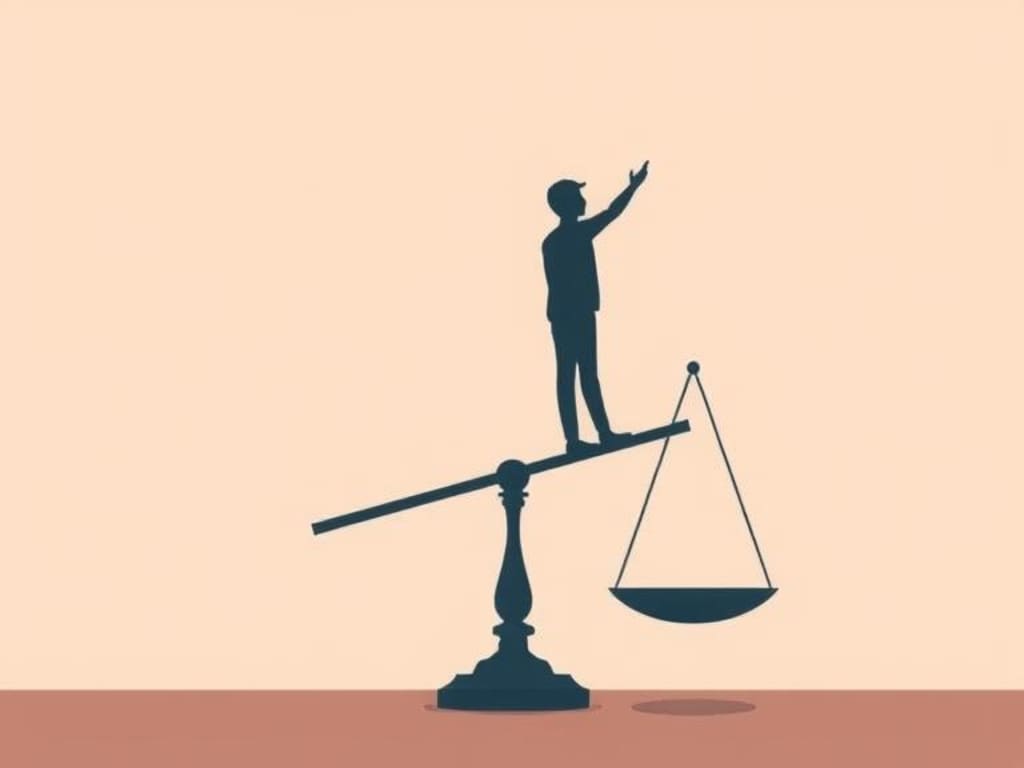
Relationships thrive on balance. Two people invest time, energy, and emotion, creating a dynamic where both feel seen, valued, and supported. But what happens when one person carries the weight while the other drifts, detached or unwilling to contribute? One-sided relationships emerge from this imbalance, leaving one partner pouring their soul into a void. Worse, many cling to the seductive myth that they can "fix" the other person—transforming them into the partner they deserve. Spoiler: it doesn’t work. Let’s unpack why one-sided relationships drain us and why the idea of fixing someone is a fantasy we need to abandon.
The Anatomy of a One-Sided Relationship
Picture this: You text first every morning. You plan every date. You apologize even when you’re not wrong, just to keep the peace. Your partner, meanwhile, responds sporadically, cancels plans without explanation, and shrugs when you express your frustration. You convince yourself they’re busy, stressed, or "just not good at communicating." Sound familiar? That’s the heartbeat of a one-sided relationship.
One-sided dynamics don’t always scream toxicity. Sometimes they whisper neglect. You might share a home, a bed, or a history with someone who emotionally checks out. They don’t fight you—they just don’t engage. You chase their affection, their attention, their validation, while they coast along, offering crumbs. Studies show emotional reciprocity fuels relationship satisfaction; without it, resentment festers. Yet, you stay. Why? Because you believe you can change them.
I’ve lived this. Years ago, I dated someone who embodied emotional distance. He’d vanish for days, then reappear with a half-hearted "sorry." I’d analyze his silences, crafting excuses for him: He’s dealing with family stuff. He’s not a talker. I’d plan elaborate ways to "reach" him—deep conversations, grand gestures—convinced my effort would crack his shell. It didn’t. He stayed the same, and I grew exhausted. The truth hit hard: I wasn’t loving him; I was auditioning for his approval.
The Allure of the Fixer Fantasy
Why do we cling to the idea of fixing someone? It’s intoxicating. You spot their potential—the kind, attentive person they could be—and decide you’re the key to unlocking it. Society feeds this delusion. Movies like Jerry Maguire or 500 Days of Summer romanticize the savior complex: one person’s love redeems the broken soul. You imagine yourself as the hero, wielding patience and devotion like magic wands. If you just try harder, love deeper, wait longer, they’ll transform.
This fantasy hooks us for a reason. Psychologists call it the "self-expansion model"—we seek relationships that grow our sense of self. Fixing someone promises a payoff: you become the architect of their better self, proving your worth. Plus, it’s a shield. Admitting they won’t change means facing rejection or loss. So, you double down, pouring energy into a project that’s doomed from the start.
Take my friend Sarah. She dated a guy who drank too much and flirted with other women. She’d say, "He’s got a good heart; he just needs stability." She cooked him meals, dragged him to therapy, and cried when he stumbled home drunk again. Two years later, he hadn’t changed—she had. She’d shrunk into someone anxious and unrecognizable. The fixer fantasy doesn’t just fail; it costs you.
The Reality Check: People Don’t Change for You
Here’s the gut punch: people only change when they want to. You can’t love someone into being better. Therapists agree—motivation for growth comes from within, not from your pleading or ultimatums. If your partner doesn’t see a problem, they won’t fix it. You might inspire them, sure, but inspiration isn’t a contract. They have to do the work.
Consider this: If someone’s emotionally unavailable, unreliable, or dismissive, that’s not a rough draft you get to edit. It’s who they are right now. You don’t fix a house while it’s burning—you escape. Yet, in one-sided relationships, we grab a hammer and nails, ignoring the smoke. We tell ourselves, "They’ll see how much I care," but caring doesn’t rewrite their wiring.
I once begged my ex to open up. I’d say, "Just talk to me—I’m here." He’d nod, mumble something vague, then retreat. I thought my persistence would break through. It didn’t. He wasn’t withholding love to test me; he simply didn’t have it to give. Accepting that felt like defeat, but it freed me. You can’t fix what isn’t yours to repair.
The Toll of Carrying the Load
One-sided relationships don’t just frustrate—they erode you. You spend so much time chasing their effort that you neglect your own needs. Your self-esteem takes a hit; you wonder why you’re not "enough" to spark their change. Anxiety creeps in—every unanswered text or cold shoulder stings sharper. A 2023 study from the Journal of Social Psychology found unbalanced emotional investment correlates with higher stress and lower life satisfaction. You’re not just tired; you’re depleted.
I remember nights staring at my phone, waiting for a reply that never came. I’d replay our last talk, dissecting my words for flaws. My friends noticed I’d stopped laughing as much. I’d canceled plans to stay available for him, shrinking my world to fit his orbit. That’s the trap: you lose yourself trying to hold onto someone who isn’t holding back.
And it’s not just romantic ties. Friendships turn one-sided too. You call, you check in, you listen—while they forget your birthday or dodge your crises. Family can do it too; a parent demands your support but never asks about your day. The pattern repeats: you give, they take, and you hope they’ll notice. They rarely do.
Breaking the Myth: You’re Not a Savior
Let’s shatter the fixer myth once and for all. You’re not a therapist, a life coach, or a miracle worker. You’re a partner—or a friend, or a sibling—deserving mutual effort. Believing you can fix someone assumes they’re broken, not just incompatible. It’s arrogant, too; you’re not the sole catalyst for their growth. People evolve on their own terms, not yours.
Ditch the cape. Stop seeing their flaws as projects. If they’re distant, ask why—but don’t rewrite their answers to fit your narrative. My ex wasn’t "misunderstood"; he was uninterested. Sarah’s boyfriend wasn’t "lost"; he was selfish. Clarity hurts, but it’s kinder than delusion. You save yourself by letting go, not by holding tighter.
How to Spot and Escape the Cycle
Recognizing a one-sided relationship takes honesty. Ask yourself: Do they initiate as much as I do? Do they prioritize me like I prioritize them? Do their actions match their words? If the answers lean "no," you’re carrying the load. Don’t justify it—see it.
Escaping means setting boundaries. Stop overextending. If you always text first, wait. If you plan everything, pause. Watch what happens. Do they step up, or let it fade? Their response reveals their investment. It’s scary—silence might confirm your fears—but it’s better than chasing shadows.
Talk to them, too. Say, "I feel like I’m doing more here. What do you think?" Their reaction matters. A partner who cares will listen and adjust. One who doesn’t will deflect or disappear. Either way, you gain truth. And if it’s time to walk away, do it. You’re not abandoning them; you’re choosing yourself.
I left my ex after one too many silences. I told him, "I can’t keep begging for your effort." He didn’t argue—he just nodded. That nod broke my heart but saved my sanity. Months later, I laughed again, free from the weight of fixing him. You deserve that freedom too.
The Other Side: When You’re the One Drifting
What if you’re the detached one? It happens. Life gets heavy, and you pull back without realizing. If someone calls you out, listen. Reflect: Are you showing up? If not, decide—commit or let go. Don’t string them along while they exhaust themselves for you. Fairness cuts both ways.
Building Something Better
Healthy relationships don’t need fixing—they need effort from both sides. Seek people who meet you halfway, who value your presence without you proving it constantly. You don’t sculpt a partner into worthiness; you find one who already is. That’s not settling—it’s self-respect.
Today, I’m with someone who texts back, plans dates, and asks about my day. It’s not perfect, but it’s mutual. I didn’t fix him—he showed up whole. You can have that too, but only if you stop chasing the myth and start demanding balance.
One-sided relationships teach us hard lessons: love isn’t a solo act, and fixing someone is a mirage. Walk away from the void. Build something real instead.
About the Creator
Great pleasure
An Author.
Keep reading
More stories from Great pleasure and writers in Humans and other communities.
The Day I Realized My Love Was a Solo Act
I poured my heart into him like a river rushing into a cracked dam, hoping the force of my love would hold us together. Every morning, I brewed his coffee—two sugars, a splash of cream—before he stirred awake. I memorized the creases in his brow when he frowned at his phone, decoding his moods like a cryptographer. I planned dinners, picked movies, and laughed at his half-hearted jokes, even when they landed flat. I convinced myself this was love: a relentless giving, a steady stream of effort to keep us afloat. But one crisp October afternoon, as leaves crunched under my boots and the wind carried his indifference like a whisper, I saw it clearly. My love was a solo act—a one-woman show with no audience, no encore, just me on a stage I’d built for two.
By Great pleasure12 months ago in Humans
Bad Parenting
“Mommy, look. I can do it mommy. I can do it. Watch me. Mommy. Mommy!” I heard a young boy shout for attention in the park. He’s wobbling on his little bike, tongue sticking out, one leg down. Another push, and off he goes. Wobbly at first, swerving left and then picks up speed.
By Elizabeth Woods7 days ago in Humans


Comments
There are no comments for this story
Be the first to respond and start the conversation.