
One-Sided Relationships
Recognizing the Signs and Taking Action to Restore Balance or Move On


Relationships are a dance of give and take, a partnership where both individuals contribute to each other’s happiness, growth, and well-being. But what happens when the scales tip too far in one direction? A one-sided relationship—where one partner invests significantly more effort, emotion, or resources than the other—can leave you feeling drained, unappreciated, and questioning your worth. Whether you’re in a romantic relationship, a friendship, or even a familial bond, recognizing the signs of imbalance and knowing how to address it is crucial for your emotional health and the relationship’s longevity.
This article explores what a one-sided relationship looks like, why it happens, and most importantly, what you can do to either restore balance or make the tough decision to walk away. With practical advice and empathetic insights, we’ll guide you through the steps to avoid common problems and build a connection that feels mutual and fulfilling.
What Is a One-Sided Relationship?

A one-sided relationship occurs when one person consistently puts in more effort than the other, creating an imbalance that can lead to resentment, frustration, or burnout. It’s not about keeping a perfect scorecard—relationships naturally ebb and flow, with one partner sometimes giving more during tough times. However, when the imbalance becomes a pattern rather than an exception, it’s a red flag.
Signs of a one-sided relationship include:
Unequal Emotional Investment: You’re always the one initiating conversations, planning dates, or offering support, while your partner seems disengaged or indifferent.
Lack of Reciprocity: You go out of your way to meet their needs, but they rarely return the favor.
Communication Breakdown: You feel like you’re talking to a wall—your concerns are dismissed, and your partner doesn’t share their feelings or thoughts.
One-Way Sacrifices: You’re constantly adjusting your schedule, priorities, or desires to accommodate them, but they don’t do the same.
Feeling Undervalued: You’re left wondering if they even notice or appreciate your efforts.
If these patterns sound familiar, you might be in a one-sided dynamic. But before jumping to conclusions, let’s explore why this happens and how to address it.
Why Do One-Sided Relationships Happen?
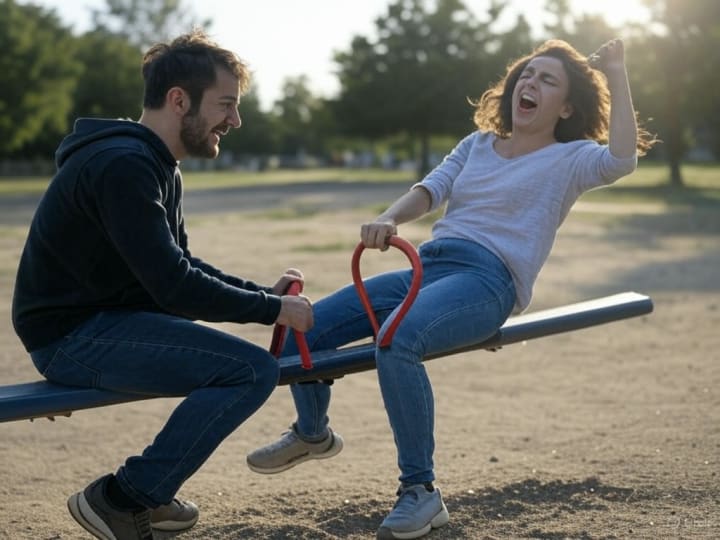
Understanding the root causes of a one-sided relationship can help you decide whether it’s worth salvaging or if it’s time to let go. Here are some common reasons:
Differences in Emotional Capacity: Some people are naturally less expressive or struggle to invest emotionally due to past trauma, stress, or personality traits. This doesn’t excuse their lack of effort, but it might explain it.
Taking You for Granted: If your partner has grown accustomed to your giving nature, they may stop putting in effort, assuming you’ll always be there.
Mismatched Expectations: You might value the relationship more than they do, or you might have different ideas about what a partnership should look like.
Selfishness or Apathy: In some cases, the other person is simply unwilling or uninterested in meeting you halfway.
Codependency: If you’re prone to over-giving, you might unintentionally enable their lack of effort, creating a cycle where they take and you give endlessly.
Recognizing the “why” behind the imbalance is the first step toward change. Now, let’s dive into actionable advice to avoid the problems that come with one-sided relationships.
Advice to Avoid Problems in a One-Sided Relationship
Whether you’re trying to fix the relationship or protect yourself from further hurt, these strategies can help you regain control and foster a healthier dynamic.
1. Reflect on Your Own Role
Before pointing fingers, take a hard look at yourself. Are you overcompensating for their lack of effort? Do you fear confrontation or abandonment, so you keep giving to avoid rocking the boat? Self-awareness is key. Ask yourself:
Am I setting clear boundaries?
Do I communicate my needs effectively?
Am I staying in this relationship out of love or fear?
If you’re overextending yourself, it’s time to pull back and see how your partner responds. A healthy relationship requires effort from both sides, not just one person carrying the load.
2. Communicate Openly and Honestly
Silence breeds resentment. If you feel the relationship is one-sided, address it directly—but calmly. Use “I” statements to avoid sounding accusatory. For example:
“I feel like I’m the only one planning our time together, and it makes me feel unappreciated. Can we talk about how we can share this more evenly?”
“I’ve noticed I’m always the one reaching out, and it’s starting to weigh on me. I’d love for you to initiate sometimes too.”
Give them a chance to explain their perspective. They might not realize how their behavior affects you, or they could be dealing with something that’s holding them back. If they dismiss your feelings or refuse to engage, that’s a sign the imbalance may not shift.
3. Set Boundaries and Stick to Them
Boundaries are your shield against being taken advantage of. Decide what you’re willing to accept and what you’re not, then enforce it. For instance:
If they only call when they need something, stop being available every time.
If you’re always the one paying for dates, suggest splitting costs or taking turns.
Be firm but fair. Boundaries aren’t about punishment—they’re about teaching others how to treat you. If your partner respects them, it’s a sign they value the relationship. If they push back or ignore them, it’s a clue they’re not willing to meet you halfway.
4. Stop Over-Giving
It’s tempting to keep pouring into the relationship, hoping your efforts will inspire change. But over-giving often backfires—it enables their apathy and exhausts you. Instead, match their level of effort. If they’re not calling, texting, or planning, don’t either. Let the relationship breathe. This isn’t about playing games; it’s about testing whether they’ll step up when you step back.
5. Evaluate Their Response to Change
After you’ve communicated and adjusted your behavior, watch how they react. Do they make an effort to meet you halfway, or do they double down on their disengagement? A partner who cares will try to bridge the gap, even if imperfectly. A partner who doesn’t will let the distance grow. This is your litmus test for whether the relationship can be salvaged.
6. Prioritize Your Self-Worth
A one-sided relationship can chip away at your confidence, leaving you feeling like you’re not enough. Remind yourself that you deserve a partnership where your efforts are reciprocated. Invest in yourself—spend time with friends, pursue hobbies, and focus on what makes you happy outside the relationship. Building your self-esteem makes it easier to recognize when it’s time to walk away.
7. Seek Outside Perspective
Sometimes, we’re too close to see clearly. Talk to a trusted friend, family member, or therapist about what you’re experiencing. They can offer an objective view and help you spot patterns you might miss. Just be cautious—choose someone who’ll be honest, not just tell you what you want to hear.
8. Know When to Walk Away
Not every relationship is worth saving. If you’ve tried communicating, setting boundaries, and adjusting your effort, but nothing changes, it might be time to let go. Ask yourself:
Am I happier with them or without them?
Do I feel respected and valued?
Is this the kind of love I want to model for myself or others?
Leaving is hard, but staying in a one-sided relationship can be harder. You’re not giving up—you’re choosing yourself.
For Couples: Restoring Balance Together
If you’re both committed to fixing the imbalance, here’s how to work as a team:
Check In Regularly: Schedule time to discuss how you’re both feeling about the relationship. Make it a safe space for honesty.
Divide Responsibilities: Whether it’s planning dates or emotional support, share the load intentionally.
Celebrate Small Wins: Acknowledge when your partner steps up, reinforcing positive changes.
Seek Counseling: A professional can guide you through deeper issues and improve communication.
Balance won’t happen overnight, but mutual effort can turn a one-sided relationship into a partnership.
Preventing One-Sided Dynamics in Future Relationships
To avoid falling into the same trap again:
Know Your Worth from the Start: Don’t settle for less than you deserve early on—it sets the tone.
Look for Reciprocity Early: Pay attention to whether they match your energy in the beginning stages.
Trust Your Gut: If something feels off, don’t ignore it. Intuition often spots red flags before your mind does.
Final Thoughts
A one-sided relationship doesn’t have to be a life sentence. By recognizing the signs, communicating your needs, and setting boundaries, you can either restore balance or free yourself to find a connection that lifts you up instead of weighing you down. Relationships thrive on mutual effort, respect, and love—don’t settle for less. You deserve a partner who meets you halfway, not one who leaves you carrying the load alone.
Take the first step today: reflect, act, and choose what’s best for you. The right relationship—whether with your current partner or someone new—will feel like a team effort, not a solo mission.
About the Creator
Great pleasure
An Author.
Keep reading
More stories from Great pleasure and writers in Humans and other communities.
From Unrequited Love to Embracing Self-Love
I loved him with every fiber of my being. I poured my heart into late-night texts, memorized his favorite songs, and adjusted my schedule to fit his. I convinced myself that if I tried harder, showed more, or became the perfect version of myself, he’d see me the way I saw him. But he didn’t. He never matched my energy, never chased me back, and never filled the empty spaces I left open for him. For years, I chased a one-sided love, believing it defined my worth. Until one day, I stopped running after him and started running toward myself. This is how I turned a painful, unreciprocated love into a powerful, unshakable self-love.
By Great pleasure11 months ago in Humans
Tatt~Master
— Assembly Line Tatt Machine ~ Impressions to Impress — As I begin to understand more about the Tattoo Phenomenon. I've written silly, yet verbatim, dating site anecdotes in 'Frazzled.' So let me ask you: Would you be More attracted to someone slathered with tattoos, or Less?
By Jay Kantor2 days ago in Humor



Comments (1)
One sided relationships can very much drain us and make us feel unappreciated. Thank you for this article that gives a realistic perspective of what a meaningful relationship should be like.