
One Patient, Three Deaths: The Surgery With A 300% Mortality Rate
Despite there being only one patient, three people lost their lives during this particular procedure
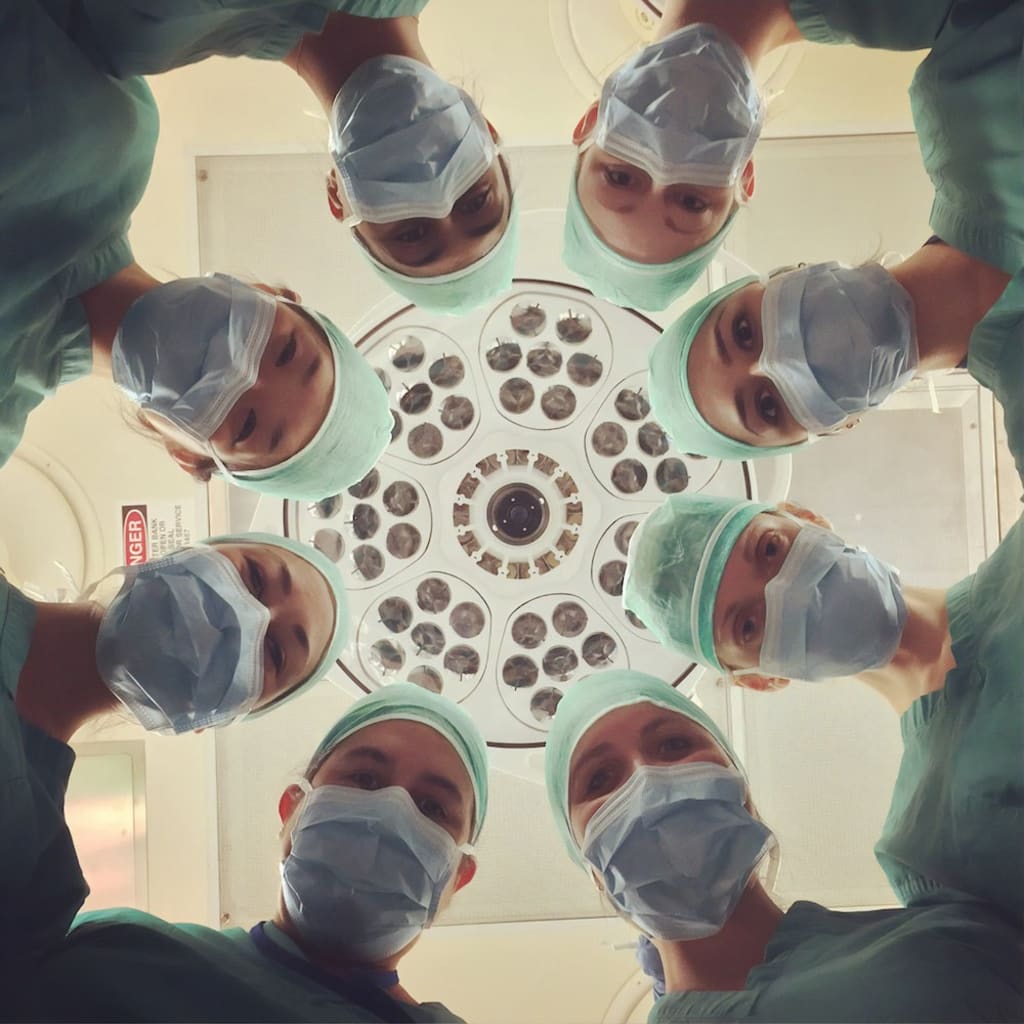
The thought of surgery is always a daunting prospect. Whether major or minor, cosmetic or reconstructive, going under the knife is never something to take lightly. That being said, we certainly have it better nowadays than a few hundred years ago.
Thanks to anaesthetic, we are able to go through a procedure with little to no pain. In fact, an hours-long procedure can pass in the blink of an eye if a doctor chooses to put us to sleep. These methods of sedation have saved countless lives and helped ensure more efficient treatment.
However, there was a time in the not too distant past where such a thing was non-existent. Patients were expected to make-do with crudely put together drugs that did not guarantee numbness or safety. Oftentimes the unfortunate patient would have to go through a procedure with no form of sedation at all.
To minimise the trauma of such a painful procedure and potentially save more lives, surgeons began training to perform procedures in as short a time as possible. Few were more skilled at this than Robert Liston. Unfortunately, even a man of such standing was not averse to a few mishaps in his illustrious career.
Let’s take a look at the story of the only documented operation with a 300% mortality rate and the man who performed it.
Who Was Robert Liston?
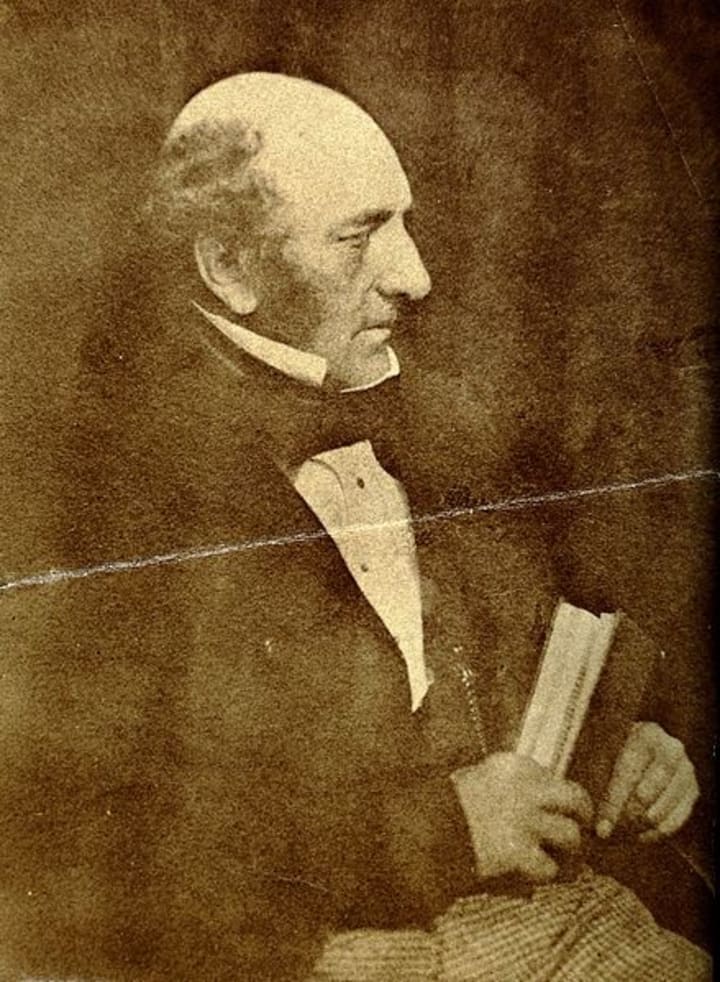
Born on 28 October 1794, Robert Liston came from a family who although extremely religious, were also educated in science. Liston’s father worked as both a clergyman and an inventor simultaneously.
Liston was educated similarly both at school and by his father. He then pursued a career in medicine and received personal training from senior physicians. After a stint as an Anatomy teacher, Liston began working as a surgeon in Edinburgh and later London.
In a time where anaesthetic was basically non-existent, Liston made a name for himself for an unparalleled ability to complete operations quickly. Realising that a patient’s pain levels affected their chances of survival and with no way to numb it, Liston concluded that a surgery should be conducted as quickly as possible to maximise the chances of survival and recovery.
Liston was so fast that he could wrap up entire operations in mere seconds. To prove his skill, he would ask his colleagues or medical students to time him. He was also reputed for his ability to complete amputations within two and a half minutes.
Renowned as the “fastest hand on the West End”, Liston’s patients fared far better than those of his colleagues. While the average surgeon at the time had a patient mortality rate of around 25%, only 10% of Liston’s patients ended up dying. Unfortunately, when things didn’t go as planned, it wasn’t just Liston’s patient who would wind up dead.
The Infamous Operation
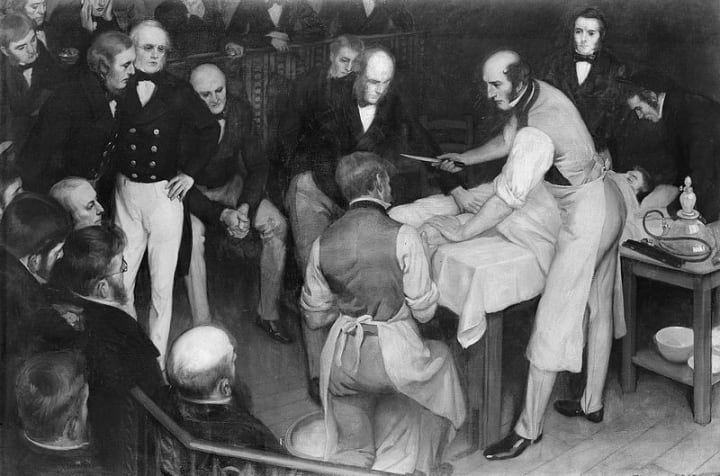
Taking place during one of his renowned amputations, Liston would typically perform his operations before a crowd. An audience of colleagues, medical students and curious on-lookers had wanted to get a look at the quick fingered surgeon in action.
In his typically fast fashion, Liston completed the procedure in roughly two and a half minutes. Unfortunately, the outcome was far from ideal. The patient who had their leg amputated, became infected with gangrene and died soon after. While this was a fairly expected setback, especially for that time, it was only the first.
In his rush to complete the operation as fast as possible, Liston had also inadvertently sliced off the finger of a colleague who was assisting him in the surgery. Liston’s colleague who had been helping him hold the patient’s leg down, lost his finger in the same fell swoop. This caused cross contamination between his blood and the patient’s. The colleague would also succumb to gangrene two days later.
While unexpected to say the least, one could still write it off as a workplace hazard. However, there was still one more casualty to arise from this ill-fated procedure. A fellow surgeon who was watching the operation, was so shaken by the gruesome accident that he collapsed in shock and also died. While watching an operation certainly isn’t for the faint hearted, this was virtually unheard of.
To this day, the infamous surgery remains the only documented operation in history where more than one person died. The incident did not affect Liston’s career as he again made headlines for another botched amputation where he accidentally cut off a patient’s testicles along with his leg.
Liston’s Legacy
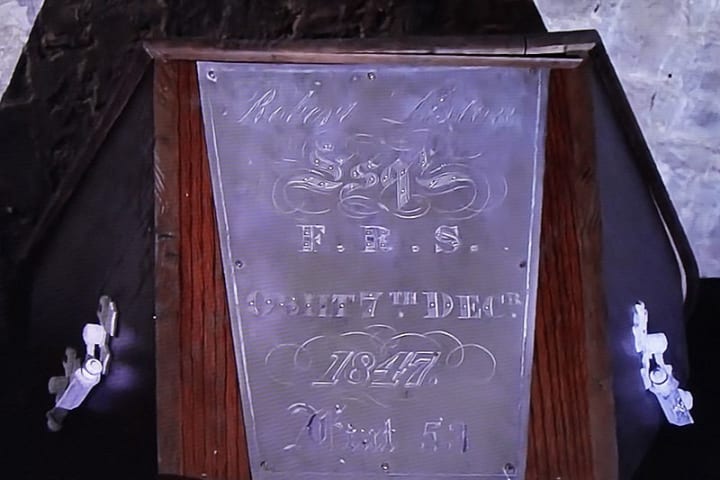
Despite the infamy of Liston’s botched procedures, his reputation remained impeccable. In spite of these astronomic failures, Liston’s successes proved to be bigger still. At the end of the day, his skill and methods saved far more lives than they cost and no deaths were ever held against him.
Liston would also be renowned for his strength of character and adherence to a code of providing as good a level of care as possible. He was not afraid of confronting colleagues, sometimes even getting physical over what he felt were improper levels of treatment. A famous incident also occurred when Liston caught a fellow surgeon for being complicit in a patient’s murder simply by observing the marks on her body. He was respected for both his experience and dedication.
Also, Liston knew when to change with the times. Despite having made a name for himself for his quick surgeries during a time where anaesthesia was not common, Liston soon embraced it when it was brought to the forefront. With several of his former students becoming pioneers in the field of anaesthesiology, Robert Liston performed the first publicly documented surgery which made use of general anaesthetic.
In addition to this, Liston would also become well-known for pioneering many surgical techniques and apparatus including bulldog forceps and his technique of amputation. Long after his death from an aneurism in 1847, Robert Liston remains an important name in the field of surgery for all the right reasons.
Conclusion
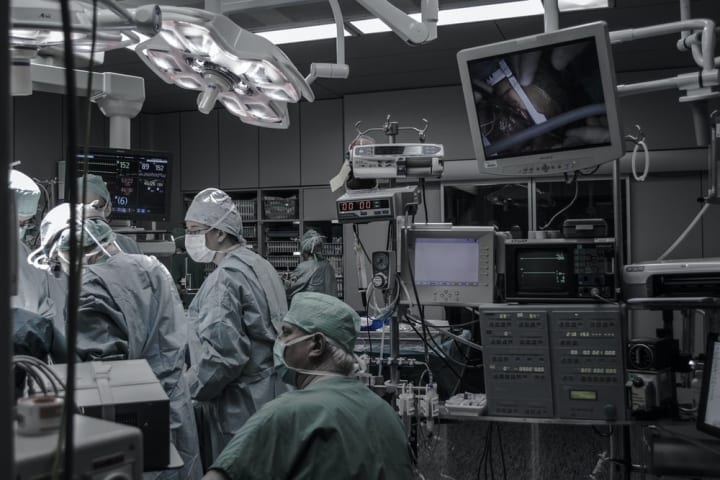
While Robert Liston’s three-death surgery was certainly a huge medical blunder to say the least, it was in no way a reflection of Liston’s overall importance to the field of surgery as a whole. Had it not been for his quick techniques, Liston could not increase the chances of his patient’s survival especially without some kind of sedative to numb their pain.
Aside from being a rather gruesome story, the tale of the surgery with a 300% mortality rate should also serve as a reminder of just how far medicine has evolved. After all, if we were just born a couple of generations earlier, it might have been us going under the knife without anything to numb our pain. I for one am thankful that we have made the strides we did.
About the Creator
Isa Nan
Written accounts of life, death and everything in between
The Girl Who Blinked: How a Sixteen-Year-Old Stopped a Massacre by Trusting the Knot in Her Stomach
The true story of Emily Carson, the Colorado high school student who prevented a school shooting by noticing a subtle detail and reporting it, highlighting the power of situational awareness.
By Frank Massey a day ago in Humans


Comments
There are no comments for this story
Be the first to respond and start the conversation.