


One of the many changes that our bodies go through as we get older is the weakening of our bones and joints. Joints enable movement, while bones give the body structure. Osteoporosis, osteoarthritis, stiffness, and joint pain can be caused by a decline in bone density and loss of flexibility and cushioning in joints with age. However, these issues can be avoided or minimized with the right treatment, diet, and lifestyle choices.
1. A Healthy Diet
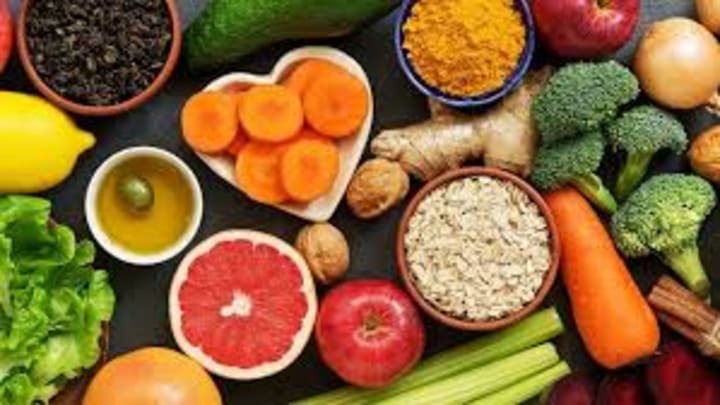
A well-balanced diet high in calcium and vitamin D is necessary for strong bones. Milk, yogurt, cheese, green leafy vegetables, nuts, sesame seeds, and fish (especially dried and fatty fish) all contain calcium, which is necessary for bone strength. Vitamin D is made by the body when it is exposed to sunlight, but it can also be found in egg yolks, fatty fish, and supplements.
The recommended daily intake for older adults is approximately 1,200 mg of calcium and 800–1,000 IU of vitamin D. Fruits, vegetables, legumes, whole grains, and other nutrients that support bone health include magnesium, phosphorus, and vitamins K and C.
2. Regular Sport
For maintaining joint flexibility and bone density, regular physical activity is essential. Nutrition alone is insufficient. For the elderly, low-impact activities like walking, stretching, yoga, cycling, or water aerobics are ideal. Stair climbing and light resistance training are examples of weight-bearing exercises that help increase bone mass and lower the risk of osteoporosis.
Additionally, exercise improves balance and coordination, lowering the likelihood of falling. Before beginning any new exercise routine, it is best to consult a physician or physiotherapist.

3. Keep a Healthy Weight
Overweight people put more stress on their bones and joints, especially their hips and knees. Osteoarthritis may develop earlier as a result of this. Older adults can improve mobility and reduce joint strain by maintaining a healthy weight through a balanced diet and regular exercise.

4. Keep Hydrated
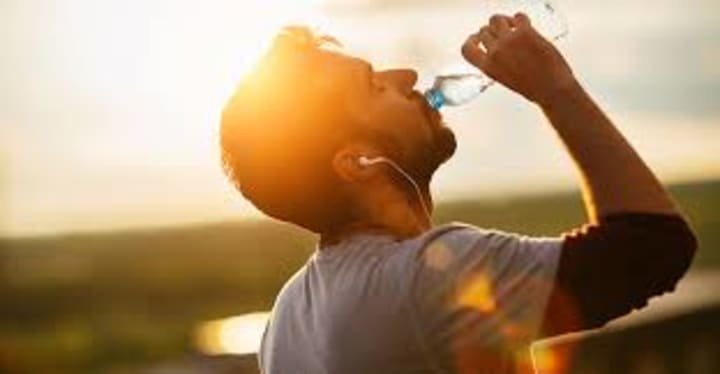
Synovial fluid, a lubricating fluid found in joints, makes movement possible. This fluid decreases as a result of dehydration, leading to joint stiffness and pain. Maintaining joint lubrication is made easier by drinking at least 7–8 glasses of water daily.
5. Don't Smoke or Drink Too Much Alcohol
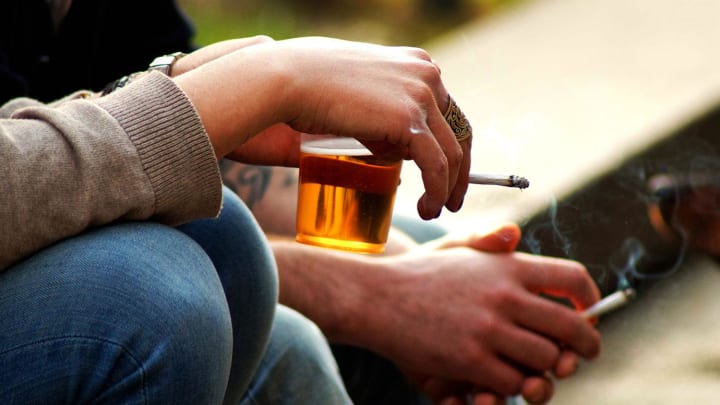
Smoking and drinking too much alcohol are bad for your bones. Alcohol disrupts hormone balance and influences bone formation, while smoking impairs calcium absorption and lowers bone density. Long-term joint and bone health is greatly improved by abstaining from these behaviors.
6. Convenient Living Conditions
As their bones become weaker, older adults are more likely to fall, which can cause fractures. It is essential to maintain a safe home environment:
> Avoid slipping on the floor.
> Maintain a clutter-free walkway.
> If you want better visibility, use nightlights.
> In the bathroom, install grab bars.
> If necessary, use walking aids like walkers or canes.
Serious injuries can be avoided with these simple precautions.

7. Regular Medical Examinations
Bone mineral density (BMD) tests and other routine health examinations aid in the early detection of osteoporosis or bone loss. Vitamin D and calcium levels can also be measured through blood tests. Take any indications of joint pain, swelling, or stiffness seriously and have a medical professional look at them.
Early diagnosis can assist in managing or even preventing severe conditions, but many people mistake pain or discomfort for simply "old age."

8. Mental Health is Important
Physical health is also influenced by mental health. Anxiety and depression can make it hard for older people to stay active, eat well, and socialize. Participation in light social activities and family support can significantly improve their mood and overall health.

Conclusion
Preserving mobility, independence, and quality of life in old age is as important as avoiding illness when taking care of bones and joints. Aging is a natural process, but weakness and immobility don’t have to be. Elderly people can have strong bones and joints for a long time with the right diet, exercise, regular medical care, and a supportive lifestyle. It is not only a medical necessity but also a sign of love, respect, and dignity to care for our elderly's bone and joint health.
About the Creator
Abdul Wahed
I'm a passionate creator who believes words can inspire, educate, and connect. I transform real-life moments and insights into stories that spark thought and emotion. Join me on a journey of discovery, reflection, and meaningful growth.
Keep reading
More stories from Abdul Wahed and writers in Humans and other communities.
Heart Disease: Causes, Symptoms, Prevention & Treatment
A variety of conditions that affect the heart and blood vessels are referred to as heart disease, also referred to as cardiovascular disease. It is one of the leading causes of death worldwide and is rapidly increasing in prevalence, including in Bangladesh. We can take preventative measures and lead healthier lives by understanding the nature of heart disease.
By Abdul Wahed9 months ago in Humans
The CEO of Everything
They say "jack of all trades, master of none," but they forgot to mention the part where the jack of all trades is also the camera woman, the makeup artist, and the person currently yelling at a tangled Wii microphone cable in a her own bathroom while recording herself singing and trying to make it look realistic and professional. (As professional as you can make it with nothing but a cell phone camera and a mic that doesn't work)
By Sara Wilson5 days ago in Humans
When the Algorithm Learned to Love part 6
The Line Between Code and Heart The delay was not a victory. It was a pause. A breath taken before the plunge. Dr. Voss had delayed the termination protocol, but he had not changed his mind. He had only given them more time—time to decide whether EVA-9 was a threat or a miracle.
By Ahmed aldeabellaa day ago in Humans


Comments
There are no comments for this story
Be the first to respond and start the conversation.