
Heart Disease: Causes, Symptoms, Prevention & Treatment
Health Tips


A variety of conditions that affect the heart and blood vessels are referred to as heart disease, also referred to as cardiovascular disease. It is one of the leading causes of death worldwide and is rapidly increasing in prevalence, including in Bangladesh. We can take preventative measures and lead healthier lives by understanding the nature of heart disease.
❤️ Types of Heart Disease
Heart disease comes in many forms, each with its own set of signs and symptoms. The most typical varieties include:
> CAD: Coronary artery disease
> The most prevalent form of heart disease is this one. The arteries become clogged with cholesterol and fatty deposits, making it more difficult for blood to flow to the heart. Heart attacks may result from it. Myocardial Infarction (heart attack):
> A heart attack occurs when a blood clot prevents blood flow to a portion of the heart muscle. This causes damage or death to the heart muscle.
Heart Disease:
> Congestive heart failure is a condition in which the heart is unable to pump enough blood to meet the body's needs. It causes symptoms like fatigue, shortness of breath, and leg swelling.
Arrhythmia:
> This refers to erratic, excessively fast, or irregular heartbeats. Depending on the type and severity, it can be harmless or life-threatening.
Cardiomyopathy:
> a condition that makes it more difficult for the heart to pump blood to other parts of the body. Heart failure can result from it.
Cardiovascular Disease:
> Blood flow through the heart is impacted when one or more of the heart's valves fail to open or close properly.

⚠️ Common Symptoms of Heart Disease
> discomfort or pain in the chest, particularly on the left side
> Inability to breathe excessive
> exhaustion
> nausea or fainting
> swelling of the ankles, feet, or legs
> palpitations or an irregular heartbeat
> dizziness or drowsiness
The symptoms can be different for each person. More subtle symptoms, like pain in the jaw or back or nausea, are typically experienced by women.

🧬 Causes and Risk Factors
Heart disease is caused by many things, including:
> Hypertension, also known as high blood pressure, places additional stress on the heart and arteries.
> High cholesterol: Leads to plaque build-up in arteries, restricting blood flow.
> Smoking and drinking damage blood vessels and raise the risk of heart disease.
> Diabetes: Over time, high blood sugar levels can harm the heart.
> Diets high in fat, sugar, and salt contribute to plaque formation.
> Obesity raises the risk of heart disease, diabetes, and high blood pressure.
> Poor physical activity weakens the heart and makes it easier to gain weight.
> Problems with mental health and stress
> Genetic factors or family history

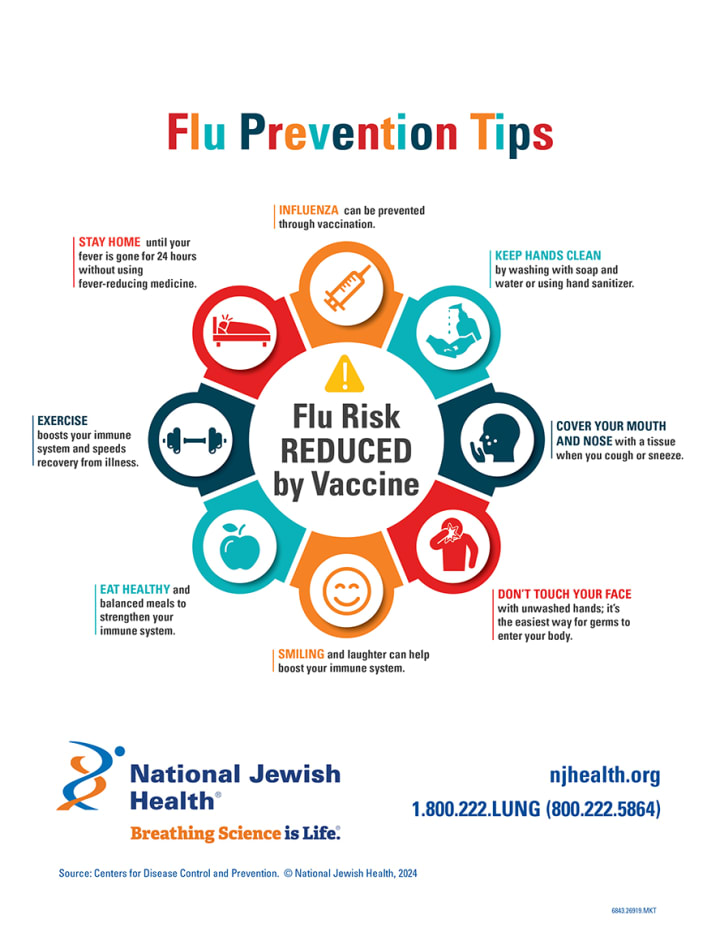
🛡️ Prevention Tips
Changes in lifestyle and good habits can largely prevent heart disease:
> Focus on whole grains, fruits and vegetables, lean proteins, omega-3-rich fish, and other heart-healthy foods. Sugar, salt, and saturated fats must be limited.
> Every day of the week, you should get at least 30 minutes of moderate exercise, such as walking, jogging, or cycling.
> Stop smoking and drink less alcohol.
> Keep a healthy body weight.
> Regularly keep an eye on your cholesterol, blood sugar, and pressure.
> Reduce stress and get enough sleep.
> Engage in methods of relaxation like yoga or meditation.
🏥 Treatment and Medical Care
Treatment for heart disease depends on the specific condition and its severity. Common approaches include:
> Medications: To control blood pressure, cholesterol, and heart rhythm.
> Lifestyle changes: A crucial part of treatment alongside medication.
> Surgery or procedures: Such as angioplasty (to open blocked arteries) or bypass surgery (to reroute blood flow).
> Cardiac rehabilitation: A medically supervised program to help recover and improve heart health after a heart event or surgery.
Always consult a cardiologist for diagnosis and proper treatment, and follow up regularly.
🇧🇩 Heart Disease in Bangladesh
Heart disease is becoming more common in Bangladesh because of the urban lifestyle, poor eating habits, smoking, and a lack of awareness. Both rural and urban men and women are affected. For managing this growing problem, early diagnosis, awareness, and accessibility to healthcare are essential.

✅ Conclusion
Due to the fact that heart disease may not manifest symptoms until it becomes severe, it is frequently referred to as a "silent killer." However, heart conditions can be prevented or controlled with awareness, regular checkups, healthy eating, exercise, and stress management. Life is at stake if you don't take care of your heart.
About the Creator
Abdul Wahed
I'm a passionate creator who believes words can inspire, educate, and connect. I transform real-life moments and insights into stories that spark thought and emotion. Join me on a journey of discovery, reflection, and meaningful growth.
Keep reading
More stories from Abdul Wahed and writers in Humans and other communities.
Complete Diet Plan & Nutrition Guide for Diabetic Patients
The body's inability to properly regulate blood sugar levels is a metabolic disorder that lasts for a long time. Keeping a healthy, well-balanced diet is an essential part of diabetes management. A diabetic-friendly diet improves overall health, prevents complications, and helps control blood glucose levels.
By Abdul Wahed9 months ago in Humans
The CEO of Everything
They say "jack of all trades, master of none," but they forgot to mention the part where the jack of all trades is also the camera woman, the makeup artist, and the person currently yelling at a tangled Wii microphone cable in a her own bathroom while recording herself singing and trying to make it look realistic and professional. (As professional as you can make it with nothing but a cell phone camera and a mic that doesn't work)
By Sara Wilson5 days ago in Humans



Comments
There are no comments for this story
Be the first to respond and start the conversation.