
Nutritional Benefits of Pulses, Grains, and Cereals
Why they are essential for a balanced diet.
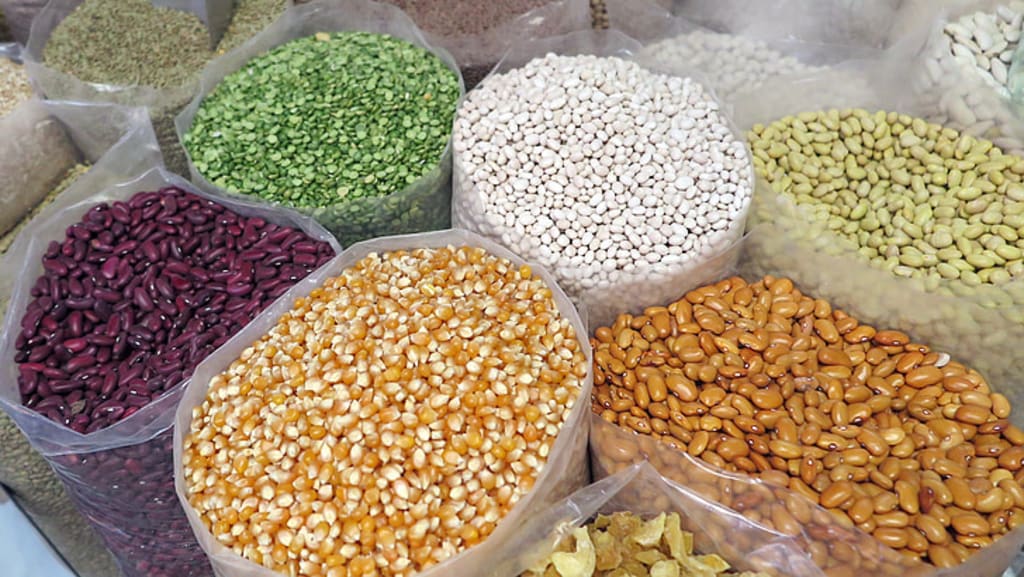
The Importance of Grains and Cereals in a Balanced Diet
Grains and cereals have been a staple in human diets for thousands of years, providing essential nutrients, energy, and fiber. Alongside pulses, they form the foundation of many traditional cuisines around the world. These food groups not only support a healthy diet but also contribute to sustainable agriculture and food security. Consuming a balanced mix of grains, cereals, and pulses ensures the body receives an adequate supply of carbohydrates, proteins, vitamins, and minerals.
Carbohydrates: The Primary Energy Source
Grains and cereals are rich sources of carbohydrates, which serve as the body’s main energy provider. Whole grains, such as brown rice, quinoa, oats, and barley, contain complex carbohydrates that are digested slowly, leading to sustained energy release. Unlike refined grains, whole grains retain their bran and germ, which are packed with fiber, vitamins, and minerals. This makes them an excellent choice for maintaining stable blood sugar levels and reducing the risk of type 2 diabetes.
Protein Power: The Role of Pulses and Legumes
Pulses, including lentils, chickpeas, black beans, and peas, are exceptional plant-based protein sources. They are particularly beneficial for vegetarians and vegans as they provide essential amino acids necessary for muscle repair and overall health. When combined with grains and cereals, such as rice and wheat, pulses form a complete protein profile, making them an excellent substitute for animal protein. This synergy makes dishes like dal and rice or beans and tortillas both nutritious and satisfying.
Fiber for Digestive Health
One of the most significant advantages of consuming whole grains and cereals is their high fiber content. Dietary fiber plays a crucial role in promoting digestive health by preventing constipation, supporting gut bacteria, and lowering cholesterol levels. Soluble fiber, found in oats and barley, helps control blood sugar levels, while insoluble fiber, present in whole wheat and brown rice, adds bulk to the stool and facilitates regular bowel movements. Pulses are also rich in fiber, further enhancing their benefits for digestive health.
Essential Vitamins and Minerals
Grains and cereals provide a variety of essential vitamins and minerals that support overall well-being. Whole grains are rich in B vitamins, such as thiamine, riboflavin, and niacin, which aid in energy metabolism and brain function. Iron, found in fortified cereals and pulses, is crucial for oxygen transport in the blood and helps prevent anemia. Additionally, magnesium, present in whole grains like quinoa and millet, supports muscle and nerve function. Pulses are also excellent sources of folate, a vital nutrient for cell growth and development, particularly for pregnant women.
Weight Management and Satiety
Consuming whole grains, cereals, and pulses can aid in weight management due to their high fiber and protein content. Fiber-rich foods promote satiety, keeping hunger at bay for longer periods and reducing the likelihood of overeating. Protein also plays a role in increasing feelings of fullness and supporting muscle maintenance. Unlike refined grains, whole grains prevent rapid spikes in blood sugar, which can lead to increased cravings and weight gain.
Heart Health and Disease Prevention
A diet rich in whole grains, cereals, and pulses has been associated with a reduced risk of cardiovascular diseases. The fiber, antioxidants, and healthy fats found in these foods contribute to lower cholesterol levels, improved blood pressure regulation, and reduced inflammation. Studies have shown that individuals who regularly consume whole grains and pulses have a lower risk of heart disease, stroke, and hypertension. Including a variety of these nutrient-dense foods in the diet can significantly enhance cardiovascular health.
Sustainability and Environmental Benefits
Beyond personal health benefits, consuming more grains and cereals, especially whole grains and pulses, can have a positive impact on the environment. Pulses are known for their ability to fix nitrogen in the soil, reducing the need for synthetic fertilizers and improving soil health. Additionally, whole grains require fewer resources like water and land compared to animal-based food sources, making them a more sustainable choice. Shifting towards a diet centered around plant-based proteins and whole grains can contribute to environmental conservation efforts.
Conclusion
Grains and cereals, combined with pulses, form the backbone of a nutritious and balanced diet. They provide essential carbohydrates, proteins, fiber, vitamins, and minerals necessary for maintaining energy levels, digestive health, and disease prevention. By choosing whole grains over refined ones and incorporating a variety of pulses, individuals can enjoy numerous health benefits while supporting sustainability. As global food preferences evolve, the importance of these nutrient-rich foods remains steadfast in ensuring both human and planetary well-being.
About the Creator
Keep reading
More stories from Avneet Singh and writers in Humans and other communities.
Phuket Nightlife: A Complete Guide to the Best Party Hotspots
Whether you’re looking for wild parties, beachside bars, luxurious rooftop lounges, or live entertainment, Phuket nightlife has something for everyone. From Patong’s bustling streets to more relaxed venues, the nightlife in Phuket promises unforgettable experiences.
By Avneet Singhabout a year ago in Wander
My First Time Skiing and I Got Lost, Alone, in the French Alps
Looking back, I can trace some of my life’s biggest adventures to a simple action from my sister. She’d introduced me to Tommy (a very long time ago), a colleague of hers, who had overshared his penchant for Italian-looking women, and I ticked that box.
By Chantal Christie Weiss3 days ago in Humans
Best Fashion Websites Discovering Best Style Trends
The fashion world moves quickly. New trends appear every season, influenced by street culture, social media, and digital communities. Because of this constant change, many fashion lovers now rely on online platforms to discover the latest styles and explore new outfit ideas.
By Backlinks Cart4 days ago in Humans




Comments
There are no comments for this story
Be the first to respond and start the conversation.