
Night Vision Telescopes Explore: Learn the Basics of Night Vision
Learn about night vision Telescopes: types, functionality, and how to choose the best pairfor wildlife viewing
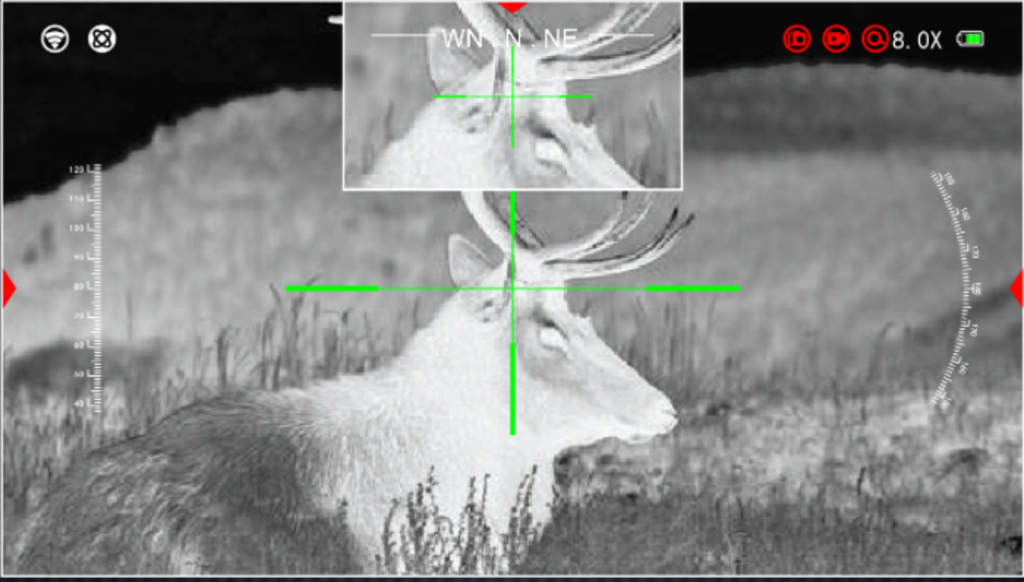
Night vision telescopes are remarkable instruments that empower us to see clearly in conditions close to total darkness. Distinct from traditional telescopes and binoculars that depend on reflected or direct light to function, these advanced telescopes amplify even the faintest light, offering visibility where none seems possible. Often perceived as tools exclusive to military operations, the application of night vision technology extends far beyond, playing a crucial role in search and rescue missions, wildlife monitoring, navigation, and enhancing security measures.
Types of Night Vision Telescopes
Night vision devices fall into two main categories based on the technology they employ: image intensifiers and thermal imaging. Both types provide vision in darkness but operate on different principles and are suited to different scenarios.
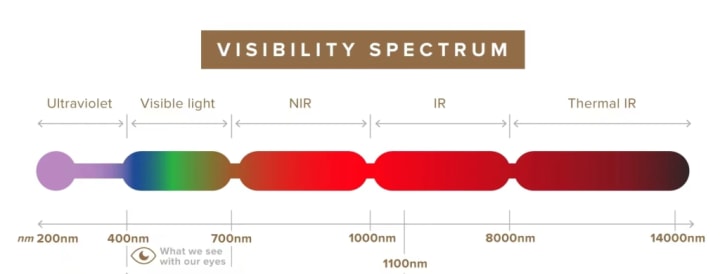
Image Intensifier Night Vision Telescopes
Image intensifier night vision telescopes amplify weak ambient light (from stars or the moon) and near-infrared light. The process involves:
- Ambient light entering the objective lens of the night vision device (NVD) and being directed to the image intensifier tube.
- The image intensifier tube receives high-voltage output from a power source, converting light into electrons.
- These electrons are then amplified by a microchannel plate (MCP).
- Amplified electrons hit a phosphor screen, creating visible light images viewed through the eyepiece.
These devices cannot function in absolute darkness, hence some models are equipped with infrared illuminators emitting nearly invisible infrared light, which can be seen through the image intensifier.
Digital Night Vision Telescopes
Similar to digital cameras, these devices use an image sensor sensitive to near-infrared light wavelengths (usually 750nm to 1000nm). Light entering the device is focused on the image sensor and converted into pixels. The pixels are processed and enhanced to produce a grayscale image displayed on the eyepiece screen. Digital night vision devices can be used during the day without damage and typically come with built-in infrared flashlights for additional illumination in total darkness.
Thermal Imaging Telescopes
Thermal imaging works by capturing the infrared radiation emitted by objects. It does not rely on visible light and is particularly useful for identifying objects by their temperature differences, even in complete darkness.
How to Choose the Right Night Vision Telescope
When selecting a night vision telescope, consider the following key factors:
- Budget: Prices for night vision equipment vary widely, from a few hundred to several thousand dollars. Determining your budget is the first step.
- Purpose: Define how you will use the night vision device. Different applications may require different types of night vision technology.
- Environment: Consider the environments in which you will use the device. If you plan to use it in complete darkness, a model with an infrared illuminator might be necessary.
- Performance Needs: This includes image quality, observation distance, and whether recording or photography capabilities are needed.
- Portability and Durability: If you plan to use it outdoors, choosing a lightweight and durable model is crucial.
Understanding the different generations (GEN 0, GEN 1, GEN 2, GEN 3, GEN 3+) of night vision devices is also important to make the best choice based on your needs and budget.
night vision for telescope unlocks the potential to navigate and observe in the dark, catering to both professional endeavors like search and rescue operations and hobbies such as wildlife watching. Familiarizing yourself with the various night vision telescopes and how they work enables you to select a device that aligns perfectly with your requirements. It's important to note that finding the ideal night vision telescope goes beyond just budget considerations; it's about matching the device to your specific activities and the performance features you need.
About the Creator
Keep reading
More stories from writers in Humans and other communities.
Time to change your life.
Is it even possible for you to change your life? A lot of people, more than there should be, are unhappy with their lives. But what are they doing about it? Usually nothing. People talk about how shitty their lives are and want change, but are they not taking the actions to change?
By Jen Phillipsa day ago in Humans
Building Strong Relationships To Improve Mental Health And Emotional Stability
Connection and its Role in Emotional Wellbeing. Man is a social animal and good human beings are very important in keeping the emotional health state intact. Significant relationships give one a sense of belonging, which makes him/her feel important and comprehended. The sense of authentic connection makes people feel that they belong to a more stable emotional state, which diminishes loneliness and isolation. Such emotional stability enables people to face day to day issues with less fear and assuredness. With time, uninterrupted emotional attachment makes them resilient and builds a base of trust that helps to sustain mental health during a peaceful and difficult time.
By Robert Smith4 days ago in Humans
Trouble at the Tea Leafing Café
The rain had started right around the time that Annie was buttering her second thick slice of homemade toast for breakfast, and hadn’t paused since. Not that anyone could tell. The windows of the café were fogged over, and with every seat filled with happy customers munching on fresh baked pastries or steaming bowls of the delicious soup of the day, it was hardly surprising. Annie looked around the room, finally taking a moment to breathe after the lunch time rush. Her old life already felt like a bad memory, a part of her history, always, but just that. History.
By Hannah Moore2 days ago in Fiction




Comments
There are no comments for this story
Be the first to respond and start the conversation.