
My Journey From Bystander to Advocate
How finding my voice changed not only my life, but the lives of others around me.

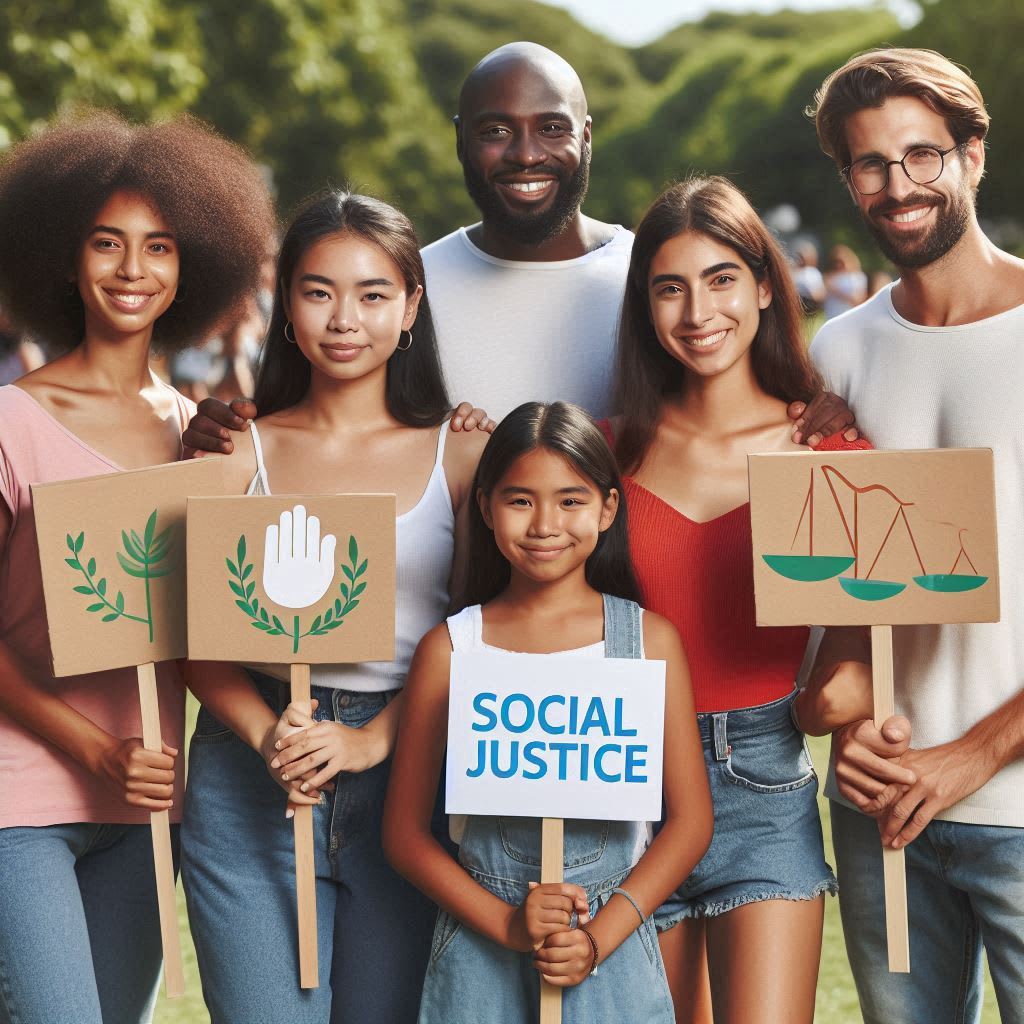
I used to think silence was safe.
When conflict, injustice, or difficult conversations arose, I kept my head down, my voice low, and my opinions tucked neatly inside. I wasn't a bad person—I just didn’t want to “get involved.” I believed that staying quiet kept me out of trouble, protected my peace, and allowed me to focus on my own life. But deep down, I knew the truth: I was hiding.
The turning point came on a rainy Thursday afternoon during my second year of college. I was sitting in the back of the student union building, scrolling through my phone, half-listening to the chatter around me. That’s when I heard a group of students laughing—loudly, carelessly—while mocking a fellow classmate with a stutter.
She had always been soft-spoken and kind, never drawing much attention to herself. And there they were, mimicking her speech patterns, making her into a cruel joke. I looked up and made brief eye contact with her. Her eyes filled with embarrassment, her hands clenched around her notebook.
And still—I said nothing.
That night, I couldn’t sleep. My heart kept replaying the scene, not because of what they did, but because of what I didn’t do.
I realized then that being a bystander was its own form of participation. My silence gave permission. My fear of discomfort was louder than someone else’s pain. And that truth hit me harder than anything else ever had.
From that moment, I began a journey. A slow, sometimes awkward, sometimes painful transformation from bystander to advocate.
It started with listening.
I sought out stories I had ignored before—stories of people whose voices were often drowned out. I listened to podcasts, read books, and talked to people with lived experiences different from mine. I didn’t speak yet; I just absorbed, learned, and unlearned.
Then I began to speak.
At first, it was small—correcting a friend when they made an offhand joke, asking someone to rethink their language, or respectfully pushing back in conversations. My hands would shake, my voice would waver, and I’d often feel nervous. But I did it anyway.
I joined a student group focused on inclusion and mental wellness. I started volunteering at local events that supported marginalized voices. Eventually, I gave a speech at a school forum—about how my silence once caused harm and how I was learning to do better. I thought no one would care. Instead, several students came up to me afterward, thanking me for saying what they never felt they could say.
One of them was the classmate who had been mocked.
She hugged me tightly, and we both cried.
It was in that moment that I understood advocacy isn’t about being perfect or fearless. It’s about showing up—again and again—despite discomfort. It's about putting your empathy into action.
Advocacy looks different for everyone. For me, it became a lifestyle, not a title. I don’t speak for others, but I speak with them. I don’t try to be a savior—I try to be an ally. I learned that part of advocacy is also knowing when to step back, when to pass the mic, and when to support in silence.
Today, I still make mistakes. I still get nervous. But I no longer allow fear to keep me quiet when I can be helpful.
Looking back, I’m proud—not because I became something special, but because I chose to grow. I chose courage over comfort. And I hope someone reading this will know that they can, too.
🌟 Moral / Life Lesson:
Your silence can hurt, but your voice can heal.
Being an advocate doesn’t require perfection—just compassion, courage, and a willingness to keep learning. The smallest actions, done with empathy, can create the greatest ripples of change.
----------------------------------
Thank you for reading...
Regards: Fazal Hadi
About the Creator
Fazal Hadi
Hello, I’m Fazal Hadi, a motivational storyteller who writes honest, human stories that inspire growth, hope, and inner strength.
Keep reading
More stories from Fazal Hadi and writers in Humans and other communities.
How I Hid My Struggles Behind a Smile
People always told me I had a “great smile.” It was my shield, my mask, and for a long time, my survival tool. I was the person who always had a joke ready, the one who brightened up the room, who offered a listening ear to everyone else. On the outside, I looked put together, calm, and cheerful. But what they didn’t see—what I never let anyone see—was the storm quietly brewing behind my eyes.
By Fazal Hadi6 months ago in Humans
Ludacris and Nelly draw backlash over bookings at MAGA-coded music festival
Ludacris and Nelly headlining a mostly right-wing event is good for them. It’s also great for the genre of hip hop. The two rap veterans have showcased their talents on other stages. Why can’t they perform for mostly MAGA folks and grab that bag?
By Skyler Saunders2 days ago in Beat




Comments
There are no comments for this story
Be the first to respond and start the conversation.