
Mpox Disease: What You Need to Know?
Dangerous Epidemic

Introduction: What is Mpox?
Mpox, formerly known as monkeypox, is a viral disease that gained attention due to its similarities with smallpox. Though it is much less severe, Mpox can still cause discomfort and, in some cases, serious health complications. Mpox is primarily found in central and west African countries but can spread globally. Learning about its causes, symptoms, and how to protect yourself is crucial to preventing infection.
Where Did Mpox Come From?
Mpox was first discovered in 1958 in colonies of monkeys kept for research—hence the name "monkeypox." However, the first human case wasn't reported until 1970. The disease mainly occurs in tropical rainforest areas, but with international travel and global trade, it has found its way to other parts of the world. The virus is part of the same family of viruses as smallpox, but it's much milder and not as contagious.
How Does Mpox Spread?
Mpox is transmitted through contact with infected animals, humans, or contaminated materials. The virus can enter the body through broken skin, the respiratory tract, or mucous membranes (eyes, nose, or mouth). Common sources of infection include:
1. Animal-to-Human Transmission:
This usually occurs when a person comes into contact with an infected animal, such as rodents or non-human primates. Eating undercooked meat from infected animals can also lead to Mpox.
2. Human-to-Human Transmission:
Mpox spreads through respiratory droplets, direct contact with bodily fluids, or skin-to-skin contact with an infected person. This is especially true in cases where a person touches the skin lesions or scabs of an infected individual.
3. Contaminated Surfaces:
The virus can linger on clothing, bedding, or other surfaces, making it possible to get infected through touching these objects.
Symptoms of Mpox:
Mpox usually begins with flu-like symptoms, making it tricky to differentiate from other viral infections at first. Here are the common signs to watch for:
1. Fever:
A sudden onset of fever is usually the first sign that something is wrong. This is the body’s way of fighting off the virus.
2. Headache and Muscle Aches:
These symptoms follow the fever, often causing discomfort.
3. Swollen Lymph Nodes:
Swelling of the lymph nodes is a distinct symptom of Mpox that helps differentiate it from similar diseases like chickenpox and smallpox.
4. Fatigue:
Feeling extremely tired or weak is common during the early stages.
5. Rash and Lesions:
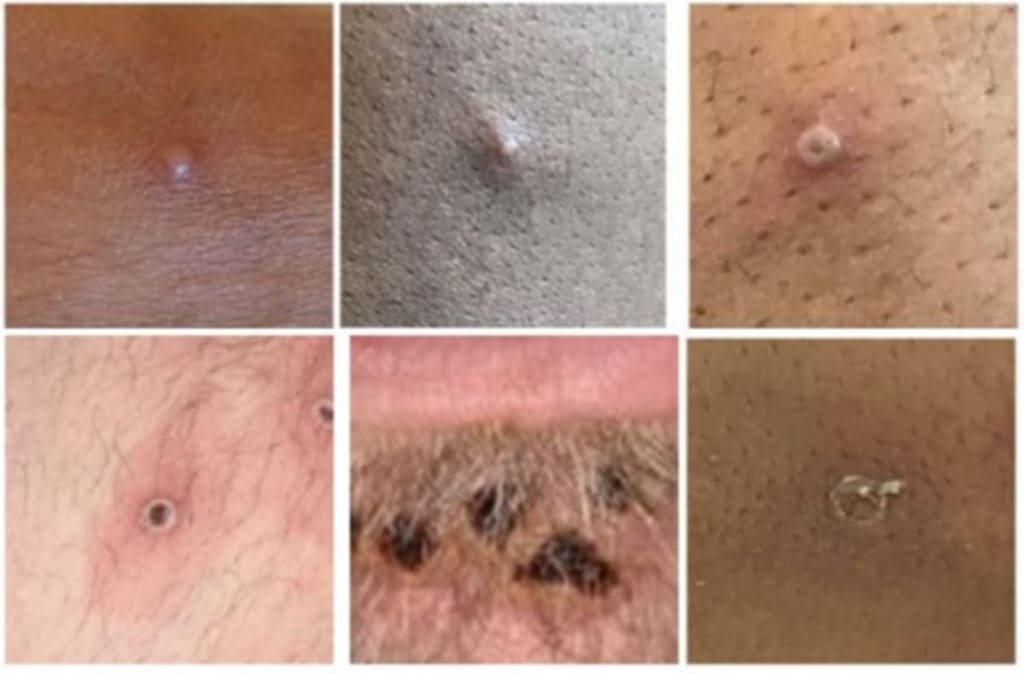
After the initial flu-like symptoms, a rash often appears, usually starting on the face before spreading to other parts of the body. These lesions develop from flat patches to raised bumps filled with fluid and, eventually, crust over and scab.
How Dangerous Is Mpox?
While Mpox can be uncomfortable and, in some cases, severe, it is not as deadly as smallpox. Most people who contract Mpox recover within a few weeks. However, certain groups, such as young children, pregnant women, and individuals with weakened immune systems, are at higher risk of complications. These complications can include infections in the lungs or eyes, which can lead to long-term health issues.
Prevention: How to Protect Yourself?
Preventing Mpox comes down to taking precautions, especially if you live in or plan to visit areas where the disease is more common. Here are some ways you can reduce your risk of getting infected:
1. Avoid Contact with Wild Animals:
Refrain from handling animals that are known carriers of Mpox, such as rodents and monkeys. If you're in an area where Mpox is present, stay away from sick or dead animals.
2. Cook Meat Thoroughly:
If you eat meat, make sure it’s properly cooked. Undercooked meat from infected animals can carry the virus.
3. Maintain Good Hygiene:
Wash your hands frequently with soap and water, especially after coming into contact with animals or people who are sick.
4. Avoid Close Contact with Infected Individuals:
If someone around you is showing signs of Mpox, avoid skin-to-skin contact with them. If you must care for them, wear protective gear like gloves and masks.
5. Vaccination:
There is a vaccine that offers protection against both smallpox and Mpox. It’s primarily used for people who are at high risk of exposure, such as healthcare workers or laboratory personnel.
Treatment for Mpox:
Currently, there is no specific treatment for Mpox. In most cases, the disease resolves on its own without medical intervention. However, healthcare professionals may recommend antiviral drugs or other treatments to manage symptoms and prevent complications, especially in high-risk patients.
Supportive care is also vital. This involves managing symptoms like fever and pain, ensuring proper hydration, and keeping the patient comfortable. If secondary infections (such as bacterial infections in the lesions) occur, antibiotics might be prescribed.
For severe cases, hospitalization may be required. People with weakened immune systems or those who develop complications should be monitored closely.
Global Efforts to Control Mpox:
Since Mpox is a global concern, health organizations like the World Health Organization (WHO) and Centers for Disease Control and Prevention (CDC) are working to raise awareness and prevent the spread of the virus. These organizations track cases, provide guidance on handling outbreaks, and work on improving access to vaccines and treatments.
Public health initiatives also focus on educating communities in high-risk areas about how to avoid infection, recognize symptoms, and seek medical help early. As more people become aware of Mpox and how it spreads, the chances of major outbreaks diminish.
Conclusion: Stay Informed and Stay Safe:
Mpox is a viral disease that can be both uncomfortable and concerning, but with the right precautions and awareness, you can significantly reduce your risk of getting infected. By staying informed about the symptoms, how it spreads, and ways to protect yourself, you're taking the first step in safeguarding your health.
If you ever suspect you’ve come into contact with Mpox or are experiencing symptoms, it's crucial to seek medical attention immediately. Early detection can help manage the disease and prevent it from spreading to others.
As with many infectious diseases, prevention is key. The more we know about Mpox, the better equipped we are to protect ourselves and our communities.
About the Creator
Keep reading
More stories from Mustary Islam and writers in Humans and other communities.
My Secret Girlfriend
Chapter 1: **A Love Built on Promises** Hi, my name is Eric, and this is my story—a story about love, commitment, and the choices we make when faced with temptation. I’m a 34-year-old engineer living in sunny California, and I’ve spent most of my life searching for a place to belong. Growing up in an orphanage taught me a lot about love, or rather the lack of it. But when I met Lisa, everything changed.
By Mustary Islamabout a year ago in Humans
When the Shelter Closes
Across the street from my house, a man slept under a tree, his dog by his side. My first, naive thought: he must be traveling through. But he kept coming back, often sleeping there during the day. Then it hit me—that person might not have a home.
By Bride of Sound8 days ago in Humans
Dismantling the Torment Nexus 2.27.26
“The whole system is fucked, from the ground up to the top down” is not a novel assessement of our current situation. Dutifully, I must couch such an observation with, if not solutions, at least a plea to better meta-analyze our society’s unfolding situation with greater rigor. I believe, considering the state of things around the world, we must conduct a postmortem on the status quo. All the tenets of progress we’ve ever been taught have led us to believe in a brighter, more hopeful future, yet upon closer examination it may seem more a deliberately orchestrated conspiracy than a series of unfortunate events.
By J. Otis Haas6 days ago in Humans



Comments (1)
Thanks for teaching about mpox. A fearful disease.