
Monstera Deliciosa Care: How to Water, Light, and Support Your Swiss Cheese Plant for Healthy Growth
A complete guide to keeping your Monstera vibrant, thriving, and beautiful in any indoor space

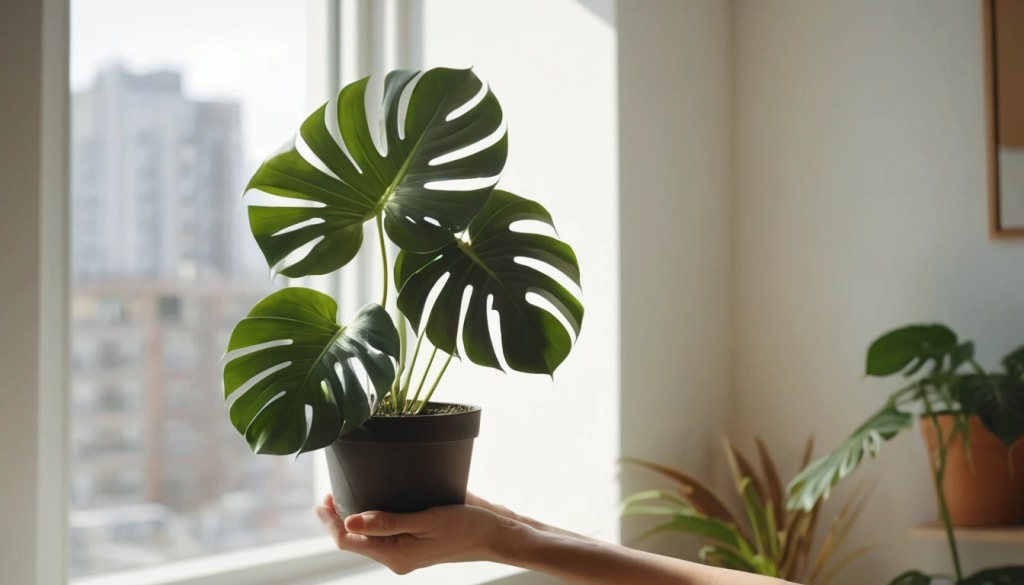
Monstera deliciosa, commonly known as the Swiss cheese plant, has become one of the most popular indoor plants worldwide, prized for its large, glossy, perforated leaves and tropical aesthetic. While it is relatively low-maintenance compared to other tropical plants, proper care is essential to ensure robust growth, lush foliage, and long-term health. Understanding the plant’s exact requirements for water, light, soil, support, and fertilization is key to maintaining a thriving Monstera indoors.
Watering is one of the most critical factors in Monstera care. These plants prefer moderately moist soil but are susceptible to root rot if overwatered. During the growing season (spring and summer), water your Monstera once a week or when the top 2 inches of soil feel dry to the touch. In fall and winter, reduce watering frequency to once every 10–14 days, as the plant’s growth slows. Always ensure that the pot has drainage holes to allow excess water to escape and never let water accumulate at the bottom. Mist the leaves occasionally to maintain humidity, especially in dry indoor environments, which supports healthy foliage and reduces brown edges.
Lighting is another essential component. Monstera deliciosa thrives in bright, indirect light but can tolerate partial shade. Avoid direct sunlight for prolonged periods, as it can scorch the leaves and cause yellowing or browning. East- or west-facing windows are ideal, providing several hours of filtered sunlight each day. If natural light is limited, supplement with fluorescent or LED grow lights for 10–12 hours daily. Rotating the plant every few weeks ensures even light exposure and prevents leaning toward the light source, promoting uniform growth and larger leaves.
Soil and drainage are vital to prevent root rot. Use a rich, well-draining potting mix, ideally a combination of regular potting soil, perlite, and orchid bark or peat moss to balance moisture retention and aeration. Repot your Monstera every 2–3 years or when the plant outgrows its pot, usually indicated by roots protruding from the drainage holes or slowed growth. When repotting, gently remove the plant from its container, inspect the roots, trim any dead or rotting portions, and place it in fresh soil slightly larger than the previous pot to allow continued growth.
Monstera deliciosa naturally produces aerial roots, which help it climb and support itself in its native tropical habitat. Indoors, you can guide these roots around a moss pole, trellis, or stake to encourage upright growth and larger leaves. Using a support structure mimics the plant’s natural climbing behavior, strengthens the stems, and enhances overall appearance. Regularly check and secure aerial roots to the support as needed, and trim any that are excessively long or unhealthy.
Fertilization promotes healthy growth and vibrant leaves. Feed your Monstera with a balanced, water-soluble fertilizer diluted to half strength once a month during the active growing season. Avoid fertilizing during fall and winter, as the plant’s metabolic activity slows. Organic alternatives such as compost tea or worm castings can provide gentle nutrients and improve soil health.
Maintenance involves periodic pruning and pest inspection. Remove yellow or damaged leaves at the base with clean, sharp scissors to encourage new growth and prevent disease. Wipe leaves with a damp cloth to remove dust, which enhances photosynthesis and keeps the plant looking vibrant. Inspect regularly for pests like spider mites, mealybugs, or scale insects, which can occasionally infest indoor plants. Treat infestations promptly with insecticidal soap, neem oil, or a mild water and dish soap mixture to protect foliage and prevent spread.
Monstera deliciosa also contributes to indoor air quality by filtering toxins, making it both a decorative and functional addition to any home or office. Its striking foliage can transform a space, creating a lush, tropical atmosphere that pairs well with modern or minimalist décor. Proper care ensures that each leaf develops its characteristic splits and perforations, a feature that gives the plant its iconic “Swiss cheese” appearance.
While Monstera deliciosa is resilient and adaptable, attention to watering, lighting, soil, fertilization, and support ensures it thrives rather than merely survives. Following these detailed care guidelines allows your Swiss cheese plant to grow large, healthy leaves, produce aerial roots, and maintain its tropical beauty indoors. With consistent care, your Monstera can become a centerpiece of your living space, providing aesthetic appeal, improved air quality, and the satisfaction of nurturing a long-lived, iconic houseplant.
About the Creator
Algieba
Curious observer of the world, exploring the latest ideas, trends, and stories that shape our lives. A thoughtful writer who seeks to make sense of complex topics and share insights that inform, inspire, and engage readers.
The Angry Man in Your House
"If you grow up with an angry man in your house, there will always be an angry man in your house" This statement has caused plenty of controversy online, people say its a statement that blames victims while also undermining those who break traumatic cycles to form health relationships... but if I'm honest now that I'm in my 30s it makes more sense to me than ever, and I'd argue that its not just about fathers and uncles.
By S. A. Crawford2 days ago in Humans
Valentine's Encounter: A Cross-Cultural Love Story Part 7
When Love Becomes a Promise Life in Italy unfolded slowly for Sakura, like a painting that revealed its depth only when observed with patience. Rome was nothing like Kyoto. It was loud, expressive, unpredictable—and yet, strangely alive in a way that both intimidated and fascinated her. Every morning, she woke to the sounds of traffic and church bells, the aroma of coffee drifting through open windows, and Luca humming softly as he prepared breakfast. These small moments, once unimaginable, had become the foundation of a shared life.
By Ahmed aldeabella6 days ago in Humans
Feelings Never Die
It is Valentine's Day again, and it bought back memories that were over fifty years old. It bought me back to 1971, and I woke up and I knew my baby was due today. I was big and pregnant, and I felt like I was about to burst wide open. Imagine my surprise when the doctor told my I had a due date of February 14. I couldn't believe it, and since my baby was due today, I felt I could indulge myself a bit. I had gained a lot of weight, and chocolate was on the no-no list, but I had came to the end of this pregnancy, and I hoped it would be okay, after all I would deliver this baby today. So I walked across the street to the grocery story, and bought myself, a peppermint patty, covered in chocolate, my favorite. Me and my Valentine's baby would enjoy it together.
By Susan Payton4 days ago in Fiction



Comments
There are no comments for this story
Be the first to respond and start the conversation.