
Chinese Money Plant Care: How to Water, Light, and Propagate Pilea Peperomioides for a Thriving Indoor Garden
A complete step-by-step guide to keeping your Pilea healthy, vibrant, and multiplying year-round

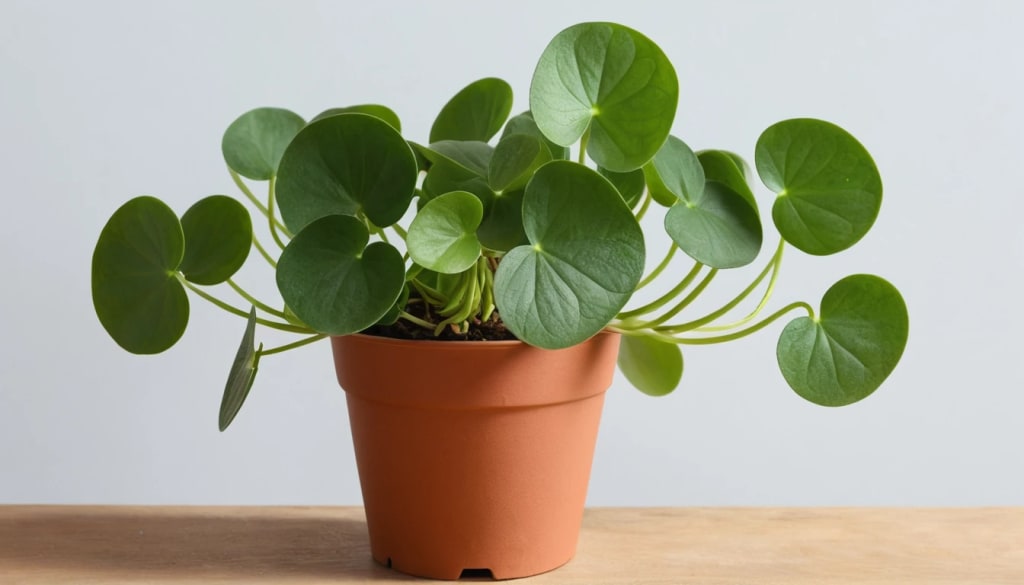
The Chinese Money Plant, also known as Pilea peperomioides or the pancake plant, has become one of the most popular houseplants worldwide, valued for its attractive round leaves, compact size, and ease of propagation. While it is often considered beginner-friendly, giving it the proper care ensures it thrives, grows lush, and produces the side shoots that allow propagation. Understanding the plant’s precise needs for light, water, soil, fertilization, and pruning is essential for keeping it healthy and vibrant in any indoor environment.
One of the most critical aspects of Chinese Money Plant care is watering. Pilea prefers consistently moist but well-draining soil. Overwatering can lead to root rot, while under-watering causes leaves to droop or brown. Water your Pilea thoroughly when the top inch of soil feels dry to the touch. During spring and summer, this usually means watering once a week, while in fall and winter, reduce watering to every 10–14 days. Ensure your pot has drainage holes so excess water can escape, and never let the plant sit in standing water. Mist the leaves occasionally to maintain humidity, especially in dry indoor conditions, which helps prevent brown leaf edges and supports healthy growth.
Lighting is another essential factor. The Chinese Money Plant thrives in bright, indirect light but can tolerate partial shade. Direct sunlight can scorch its delicate leaves, causing them to yellow or develop crispy edges. Ideally, place your Pilea near an east- or west-facing window where it receives several hours of bright, filtered sunlight each day. If natural light is limited, a fluorescent or LED grow light for 10–12 hours daily will keep your plant healthy and encourage new leaf growth. Rotating the plant regularly ensures even light exposure, preventing it from leaning toward the light source.
Soil and drainage are crucial to Pilea’s health. Use a well-draining potting mix, ideally a combination of standard potting soil, perlite, and peat moss to retain moisture without becoming waterlogged. Avoid dense or clay-heavy soils that hold water, as this increases the risk of root rot. Repot your Pilea every 1–2 years or when roots become crowded. When repotting, gently loosen the roots and remove any dead or damaged growth before placing the plant in fresh soil.
Fertilization supports healthy growth and abundant leaf production. Feed your Chinese Money Plant with a balanced, water-soluble fertilizer diluted to half strength once a month during the growing season (spring and summer). Avoid fertilizing in fall and winter when the plant’s growth slows. Organic alternatives, like worm castings or diluted compost tea, are also effective and gentle for indoor use.
Propagation is one of the most rewarding aspects of growing Pilea. The plant naturally produces small side shoots or “pups” at its base. These can be separated and repotted once they reach 3–4 inches in height. Gently remove the pup with some roots intact, plant it in fresh soil in a small pot, and care for it as you would the parent plant. This process allows your collection to grow and makes Pilea a popular plant to share with friends and family.
Pruning and maintenance are simple but important. Remove any yellow or damaged leaves at the base to encourage new growth and prevent disease. Wiping leaves with a damp cloth removes dust and ensures maximum photosynthesis. Inspect your plant regularly for pests such as spider mites, aphids, or mealybugs. Treat infestations immediately using insecticidal soap, neem oil, or a mild water and dish soap solution.
Chinese Money Plants are also praised for their air-purifying qualities and aesthetic appeal. Their round, coin-shaped leaves symbolize good fortune and prosperity in many cultures, adding both beauty and a sense of well-being to any indoor space. Keeping leaves healthy and shiny through proper care enhances both the plant’s appearance and its air-purifying effectiveness.
While Pilea peperomioides is resilient and beginner-friendly, attention to watering, lighting, soil, fertilization, and maintenance ensures it thrives and produces healthy pups for propagation. By following these precise guidelines, your Chinese Money Plant can become a long-lived, thriving centerpiece of your indoor garden, rewarding you with lush, vibrant leaves and the joy of sharing new plants with friends and family. Proper care transforms this popular houseplant from a simple décor item into a living, growing symbol of prosperity and natural beauty.
About the Creator
Algieba
Curious observer of the world, exploring the latest ideas, trends, and stories that shape our lives. A thoughtful writer who seeks to make sense of complex topics and share insights that inform, inspire, and engage readers.
Cabin Fever Because of Snow, Sleet, and Freezing Rain That Turned to Icy Roads
What Is Cabin Fever? The short answer is that cabin fever is restlessness from being in a confined area. Cabin fever is the distressing irritability or restlessness experienced when a person or group is stuck at an isolated location or in confined quarters for an extended time. Research shows that prolonged cold, gray skies, and being stuck indoors can trigger mood shifts similar to “winter blues.”
By Margaret Minnicks8 days ago in Humans
Between Two Worlds
Amir had always felt caught between two worlds. At home, his family clung to traditions as old as the city’s cobbled streets. Outside, the modern world thrived—skyscrapers, neon lights, and endless possibilities that seemed both exhilarating and intimidating. He belonged fully to neither, yet fully to both, and the tension weighed on him like an invisible chain.
By Sudais Zakwan4 days ago in Humans


Comments
There are no comments for this story
Be the first to respond and start the conversation.