
Minds at Dawn: The Psychology of Early Hours
How Our Brains Wake, Think, and Feel in the First Hours of the Day
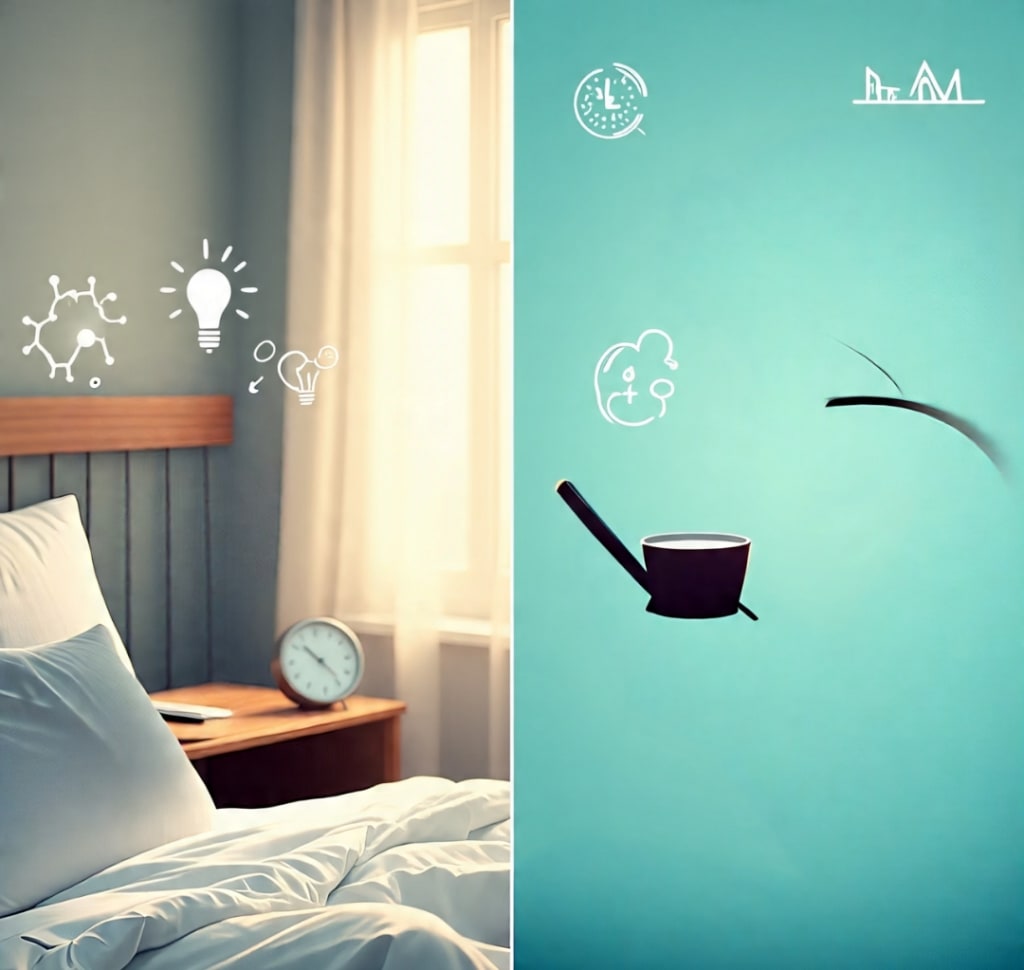
The world is quiet. The first light seeps through the curtains. A faint rustling from outside—the distant coo of a pigeon, the slow hum of a car engine warming up. Somewhere, an alarm buzzes. In this seemingly mundane moment, a complex psychological orchestra begins to play.
Mornings are more than just a beginning; they are a psychological reset point. What happens in the first hour after we wake can shape our mood, decision-making, productivity, and emotional resilience for the rest of the day. But why? What’s happening in the brain when we first open our eyes?
---
The Sleep-Wake Transition
When we sleep, our brain isn’t “off.” It's deeply engaged in maintenance tasks—sorting memories, regulating emotions, clearing waste, and restoring cognitive energy. As we move through sleep cycles, the brain alternates between slow-wave sleep and REM (rapid eye movement) stages. Waking up usually happens during lighter stages, but if the alarm interrupts deep sleep, the result is “sleep inertia”—that heavy, groggy feeling that can last for up to an hour.
Sleep inertia is a transitional state between sleep and wakefulness. During this time, cognitive functions like attention, memory, and reasoning are sluggish. The prefrontal cortex—the part of the brain responsible for decision-making and self-control—is still booting up, much like an old computer slowly humming to life.
This is why hitting “snooze” feels satisfying in the moment, even though it may prolong grogginess. Psychology tells us that consistent wake-up times and exposure to morning light can help regulate this transition and improve alertness.
---
Cortisol: The Morning Motivator
About 30–45 minutes after waking, our cortisol levels peak in what's known as the "cortisol awakening response" (CAR). This natural rise in the stress hormone isn’t about panic—it’s about preparation. Cortisol helps increase blood sugar levels and alertness, gearing us up for the mental demands of the day.
Interestingly, the strength of this morning cortisol spike is influenced by anticipation. Studies have found that when people expect a stressful day, their CAR is higher. The body is quite literally preparing to face psychological stress.
This means your morning mindset—your first few thoughts—can have a measurable impact on your neurochemistry. Starting the day with calmness, intention, or gratitude can dampen unneeded stress and promote better focus.
---
The Battle Between Habit and Emotion
In the quiet morning hours, we often revert to habit. Neuroscience shows that in low-energy states, the brain relies on well-worn neural pathways—habits—rather than creative or reasoned responses. This is why people often follow the same morning routine without thinking: reach for the phone, pour coffee, check emails.
But early mornings can also be an emotional time. Dreams—particularly REM dreams—can leave behind subtle emotional traces. Anxiety, sadness, or even joy can leak into waking life, influencing how we feel for hours.
There’s also a psychological phenomenon known as “mood congruence,” where our current emotional state influences how we perceive the world. If you wake up anxious or irritable, you’re more likely to interpret emails or conversations negatively. The good news? Conscious, intentional morning habits—like journaling, meditation, or even smiling—can shift this state before it solidifies.
---
Morning and the Self
Psychologists have long been fascinated by how identity and time of day intersect. Some theories suggest that mornings offer a “clean slate” effect: a psychological sense of beginning anew. This is why people are more likely to commit to healthy habits, set goals, or feel hopeful early in the day. Morning self-concept—the way we view ourselves upon waking—can be more aligned with our ideal selves, unclouded by the frictions of daily life.
For this reason, many cognitive behavioral therapists recommend placing positive affirmations, reminders, or calming objects in the bedroom. These become environmental cues that help shape morning self-awareness in constructive ways.
---
The Takeaway
While every brain wakes up slightly differently—based on age, chronotype, and sleep quality—there are universal patterns in how we transition from rest to alertness. Understanding the psychology of morning helps explain why some people feel inspired at dawn, while others struggle with tension or fatigue.
But perhaps most importantly, it reminds us that the first hour of our day isn't just a routine—it’s a powerful moment of psychological opportunity. Whether we greet the morning with dread, intention, or calm can shape the tone of our entire day.
So tomorrow, when the light peeks in and your eyes flutter open, remember: your mind is not just waking. It's preparing, adapting, and writing the first chapter of your day.
About the Creator
Keep reading
More stories from Muhammad Saad and writers in Humans and other communities.
The Great Spaghetti Incident
The Great Spaghetti Incident How One Noodle, a Cat, and a Ceiling Fan Ruined Dinner but Saved a Friendship It all began on a Thursday, which is scientifically proven to be the most dangerous day for trying new recipes. My best friend Jake had convinced me that we were perfectly capable of hosting a dinner party—even though our combined cooking experience consisted of boiling water and ordering takeout. We decided on spaghetti. Simple. Classic. Impossible to mess up, right? Wrong. Step one was boiling the noodles. Easy enough. Except Jake filled the pot with cold water and dumped the pasta in before even turning on the stove. “They’ll soak and cook at the same time. Efficiency,” he said confidently. While the noodles did… something… Jake moved on to the sauce. He threw tomatoes, garlic, and an alarming amount of oregano into a blender and hit “liquefy.” The resulting explosion of red puree sprayed halfway across the kitchen, including onto Rufus, my cat, who happened to be napping innocently on top of the fridge. Rufus woke up, looked down at his now marinara-coated fur, and screamed the feline equivalent of “WHAT FRESH HELL IS THIS?!” He leapt from the fridge, hit the counter, bounced off Jake’s shoulder, and launched himself at the ceiling fan. Now, the ceiling fan had been wobbling for weeks, but we’d never fixed it because “it adds character.” Rufus, in a panic, tried to grab one of the blades. Somehow, this turned the fan on. And that’s when things really escalated. With Rufus clinging to the fan like a furry carousel ride gone wrong, spaghetti water started boiling over. Jake screamed, “Save the noodles!” while grabbing a wooden spoon and wildly stirring what now looked like a soupy noodle stew. In his panic, he knocked the spoon into the pot, then tried fishing it out with his hand. The scream he let out could’ve been used as the sound effect in a horror movie. Meanwhile, I attempted to turn off the fan and rescue Rufus. But as I reached for the switch, Rufus—still spinning overhead—let go. For a moment, time slowed. Rufus soared through the air like a tomato-splattered comet and landed squarely in the bowl of salad we had optimistically prepared earlier. Lettuce and cat went everywhere. “Abort dinner!” I yelled. Jake, flailing, tried to lift the pot of boiling pasta off the stove. It slipped, tilted, and launched a full tsunami of spaghetti across the room. The noodles hit the wall, then slowly slid down, leaving gooey trails like sticky ghosts. We stood in silence, staring at the battlefield that was our kitchen. Rufus, looking deeply betrayed, sat in the middle of the salad bowl, chewing a crouton with quiet rage. Then Jake said, dead serious, “So… should we still make garlic bread?” I don’t know what it was—maybe the absurdity of it all—but I burst out laughing. Like full-on, can’t-breathe, tears-in-your-eyes laughter. Jake followed, and within seconds we were both wheezing on the kitchen floor, surrounded by noodles, sauce, and a cat who was definitely plotting revenge. We never did have our dinner party. Instead, we ordered pizza, gave Rufus a much-needed bath (during which he tried to murder us), and agreed that maybe cooking wasn’t our thing. But that night, amidst the chaos, the flying cat, and the spaghetti wallpaper, we learned something valuable: sometimes disasters make the best memories. And also, never underestimate the destructive potential of a single noodle.
By Muhammad Saad 8 months ago in Humans



Comments
There are no comments for this story
Be the first to respond and start the conversation.