
Mindfulness: The Art of Finding Peace in a Chaotic World
How Embracing the Present Moment Can Help Us Manage Stress and Anxiety
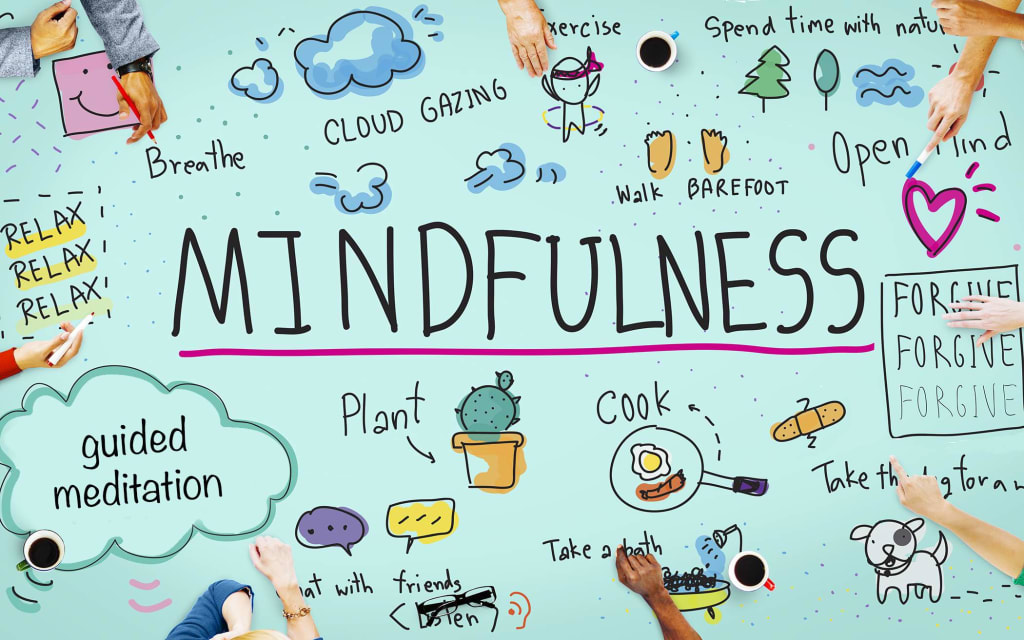
In today’s fast-paced world, stress and anxiety have become constant companions for many. From work deadlines and academic pressure to personal challenges and global uncertainties, we are often caught in a whirlwind of thoughts, worries, and emotions. For years, we’ve looked for quick fixes or solutions to calm our minds, but one powerful and simple tool has gained significant attention: mindfulness.
Mindfulness is not a new-age trend; it’s an ancient practice that has roots in meditation and has been practiced for thousands of years in various cultures, particularly in Buddhism. At its core, mindfulness is about being fully present in the moment—without judgment and without distractions. It’s about tuning into the here and now, paying attention to our thoughts, emotions, and physical sensations with a sense of awareness and acceptance.
So how does mindfulness help in managing stress and anxiety? In my own experience, adopting mindfulness has been nothing short of transformative. There was a time when I would be overwhelmed by my thoughts, feeling constantly pulled in different directions. I would ruminate over mistakes I’d made or future events that were out of my control. Stress became my constant companion, and anxiety felt like a shadow lurking over my every decision. But then, I stumbled upon mindfulness.
At first, the idea of slowing down seemed counterintuitive. How could taking a moment to simply breathe help with the crushing weight of daily stress? But as I began to practice mindfulness, even in small doses, I noticed a shift. Instead of getting caught up in the overwhelming flood of thoughts, I learned to observe them without attaching any judgments or labels. I realized that not every thought deserved my full attention, and not every emotion needed to be acted upon.
The Power of the Present Moment
One of the most profound aspects of mindfulness is its ability to pull us out of the mental noise and into the present moment. Anxiety often stems from worrying about things that have not yet happened—whether it’s an upcoming exam, a big presentation, or an uncertain future. Mindfulness teaches us to focus on the present, to ground ourselves in the here and now, and to recognize that many of the fears we experience are projections of future possibilities, not actual events.
When we are mindful, we stop fighting our thoughts and emotions. Instead of pushing away feelings of anxiety or stress, we accept them with compassion, allowing them to pass through without letting them control us. Over time, this practice helps to reduce the intensity of stress and anxiety, because we are no longer consumed by the weight of what might happen.
A Simple Yet Powerful Practice
Mindfulness doesn’t require any special equipment or elaborate routines. In fact, it can be practiced anywhere—whether you’re sitting at your desk, walking in a park, or even during a quick break between meetings. The key is to focus on your breath, your body, and your surroundings. A simple breathing exercise, where you inhale slowly through your nose and exhale deeply through your mouth, can be incredibly grounding.
Another effective practice is the body scan technique, where you mentally check in with each part of your body, paying attention to any tension or discomfort. As you move through each body part, you release any stress that you may be holding, consciously relaxing your muscles and allowing your body to release tension. Even if you only have five minutes, this simple act of connecting with your body can instantly bring a sense of calm.
Mindfulness in Everyday Life
Mindfulness isn’t just a practice for quiet moments; it can be incorporated into everyday activities. Whether you’re drinking a cup of tea, walking your dog, or eating lunch, these are all opportunities to practice mindfulness. One of the most powerful ways I’ve found to ease anxiety is by simply being present in the moment during mundane tasks. For example, when I’m washing the dishes, instead of letting my mind wander to the pile of work I still have to do, I focus entirely on the sensation of the water running over my hands and the movement of my fingers as I scrub the plates. This brings an unexpected calm and helps reset my mental state.
In fact, mindfulness can become a lens through which you view the world—one that encourages you to slow down and be fully engaged with whatever you are doing. This not only helps manage stress but enhances the enjoyment of daily life. After all, stress often arises when we feel overwhelmed by a never-ending list of tasks. Mindfulness teaches us to break free from that cycle, helping us savor the small moments that bring us joy.
Changing the Narrative of Stress
Through mindfulness, I’ve learned to reframe my thoughts around stress. Instead of viewing stress as an enemy or something that needs to be defeated, mindfulness encourages me to see stress as an opportunity for growth and self-awareness. Yes, stress is uncomfortable, but when we acknowledge it without judgment, we give ourselves the power to move through it with resilience.
In this journey, I’ve also realized that practicing mindfulness isn’t about avoiding stress or anxiety. It’s about creating space for these emotions, acknowledging their presence, and choosing how to respond. By cultivating mindfulness, I’ve discovered a powerful tool for managing not just the big challenges in life but the small, everyday stressors that can often feel overwhelming. It has allowed me to reclaim control over my mental and emotional well-being, no longer allowing stress to dictate my life.
Conclusion: Embracing the Calm Within
In a world that seems to demand more and more from us every day, mindfulness has become my anchor. It has provided me with a deeper understanding of my own thoughts, feelings, and reactions. And through this practice, I’ve found a way to manage the stress and anxiety that once ruled my life.
For anyone struggling with stress or anxiety, mindfulness offers a gentle yet powerful path towards healing and balance. By simply being present and compassionate with ourselves, we can find peace amid the chaos. The journey may not always be easy, but with mindfulness, we learn to navigate the storm with a clearer mind and a calmer heart.
In the end, it’s not about eliminating stress but learning how to coexist with it, with grace and understanding. And in that coexistence, we find strength, peace, and the ability to thrive.
About the Creator
Overcoming Dating Frustration When Relationships Do Not Progress Naturally
Relationships which do not develop in the expected way tend to cause one to date with frustration. Single people can experience nervousness, impatience, or hesitation when the relationships are not going anywhere even though the attraction is there. Such emotions are typical and may have an impact on self-esteem and motivation.
By Mark Hipstera day ago in Humans



Comments
There are no comments for this story
Be the first to respond and start the conversation.