
Mindful Technology Use: How to Make Screen Time More Meaningful
Aligning Digital Habits with Personal Values


In a world where technology is woven into the fabric of our lives, it's easy to get swept away by the endless stream of notifications, social media updates, and digital distractions. But what if we could harness the power of technology in a way that aligns with our personal values and enhances our relationships, instead of detracting from them? This story explores how we can use technology mindfully, making screen time more meaningful and creating a balance that reflects what truly matters to us.
Chapter 1: The Digital Dilemma
Laura sat in her living room, her phone buzzing incessantly on the coffee table. The familiar ping of notifications had become a constant in her life, a sound she had grown used to but not fond of. As she glanced at her phone, she felt a pang of guilt—she hadn't responded to her friend Sarah's message from earlier in the day, nor had she called her mom like she promised she would. The digital world was pulling her in so many directions that she felt like she was losing touch with the real connections that mattered most.
Laura was not alone in this struggle. Like many, she had found herself caught in the digital dilemma—wanting to stay connected, but not at the expense of her well-being and relationships. The convenience of technology had come at a cost, one she was only beginning to recognize.
But Laura was determined to find a way to balance her digital life with her personal values. She wanted her screen time to be purposeful, something that added to her life rather than taking away from it. And so, she embarked on a journey to discover how to make her technology use more mindful.
Chapter 2: Redefining Screen Time
The first step in Laura's journey was to redefine what screen time meant to her. Instead of seeing it as a necessary evil, she began to view it as a tool—a tool that could either serve her or hinder her, depending on how she used it.
She started by evaluating the apps and platforms she spent the most time on. Social media, while a great way to keep in touch with distant friends, had become a source of anxiety and comparison for her. Laura decided to set boundaries, limiting her time on these platforms and unfollowing accounts that didn't align with her values.
Instead, she sought out content that inspired her and made her feel connected to her passions. She subscribed to podcasts that focused on personal growth, followed artists and creators who shared positive messages, and joined online communities that fostered genuine connections.
By curating her digital environment, Laura was able to turn her screen time into a source of inspiration and learning, rather than a mindless scroll through superficial content.
Chapter 3: Aligning Technology with Personal Values
Laura knew that to make her technology use truly meaningful, she needed to align it with her personal values. She began by asking herself some important questions: What matters most to me? How can I use technology to support these values? How can I ensure that my digital habits reflect who I am and who I want to be?
One of Laura's core values was staying connected with loved ones. She realized that while technology made it easy to communicate, it also had the potential to distance her from the people she cared about. To counter this, Laura made a conscious effort to use technology to strengthen her relationships. She scheduled regular video calls with her family, sent thoughtful messages to her friends, and used apps that encouraged meaningful conversations.
Another value Laura held dear was personal growth. She wanted her screen time to contribute to her development, rather than detract from it. To achieve this, she started using educational apps and online courses that allowed her to learn new skills and explore her interests. By aligning her digital habits with her values, Laura found that technology could be a powerful tool for self-improvement.
Chapter 4: Creating Tech-Free Moments
While technology had its benefits, Laura knew that it was equally important to create tech-free moments in her life—times when she could disconnect from the digital world and reconnect with herself and those around her.
She started by setting aside time each day to be fully present in the moment, without any screens in sight. Whether it was enjoying a cup of coffee in the morning, taking a walk in nature, or spending quality time with her partner, these tech-free moments became a vital part of her daily routine.
Laura also implemented tech-free zones in her home. The bedroom became a sanctuary for rest and relaxation, free from the distractions of her phone or laptop. The dinner table was another tech-free zone, where she and her partner could enjoy meals together without the intrusion of screens.
These small changes made a big difference in Laura's life. She felt more grounded, more connected, and more at peace with herself.
Chapter 5: Strengthening Relationships in a Digital Age
One of the most significant benefits of Laura's mindful technology use was the positive impact it had on her relationships. By being more intentional with her screen time, she was able to strengthen the bonds with the people she cared about most.
Laura found that when she was present and fully engaged in her interactions—whether in person or online—her relationships flourished. She started having deeper conversations with her friends, sharing more meaningful moments with her family, and creating new memories with her partner.
She also made an effort to practice digital empathy—being mindful of how her words and actions online could affect others. Laura realized that just as in-person interactions require thoughtfulness and care, so too did her digital communications. By being more empathetic and understanding, she was able to build stronger, more authentic connections.
Chapter 6: The Ongoing Journey of Mindful Technology Use
As Laura continued on her journey of mindful technology use, she learned that it was an ongoing process—one that required continuous reflection and adjustment. There were times when she slipped back into old habits, but she was gentle with herself, knowing that change takes time.
She also discovered that mindful technology use was not just about limiting screen time, but about making every interaction with technology intentional and meaningful. It was about using technology to enhance her life, rather than letting it control her.
Laura's journey is a reminder that in a world where technology is ever-present, it is possible to create a balance that reflects our values and supports our well-being. By being mindful of how we use technology, we can make our screen time more meaningful and enrich our lives in ways that truly matter.
Conclusion: Embracing Mindful Technology Use
Laura's story is one of transformation—a journey from being overwhelmed by the digital world to finding a sense of balance and purpose. Through mindful technology use, she was able to align her digital habits with her personal values, create tech-free moments, and strengthen her relationships.
Her experience serves as an inspiration for all of us living in a digital age. It reminds us that while technology can be a powerful tool, it is up to us to use it in a way that enhances our lives rather than detracts from them.
By embracing mindful technology use, we can make our screen time more meaningful, create healthier relationships, and live a life that is aligned with what truly matters to us. The journey may not always be easy, but it is one that is well worth taking.
About the Creator
Jheffz A.
Jheffz A., an up-and-coming writer, incorporates his life's challenges and entrepreneurial ventures into his stories, focusing on resilience, hope, and self-exploration.
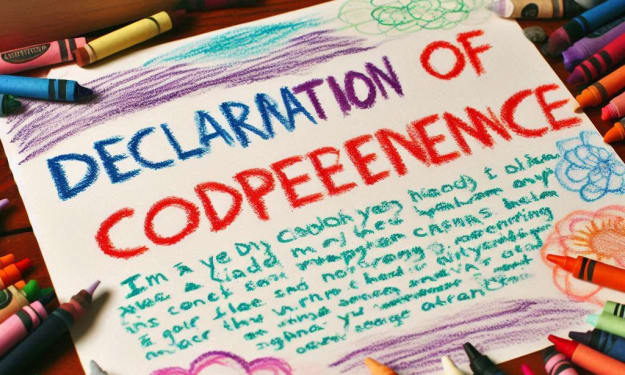
A Historic Declaration
We the People of the Husbands of the United States of America, in Order to form a more perfect Union, and I mean you...with me...establish Justice, insure domestic Tranquility, provide for the common defence, promote the general Welfare, and secure the Blessings of Liberty to ourselves, after Puberty, do ordain and establish this Declaration of Co-Dependence.
By Gerard DiLeo6 days ago in Humans
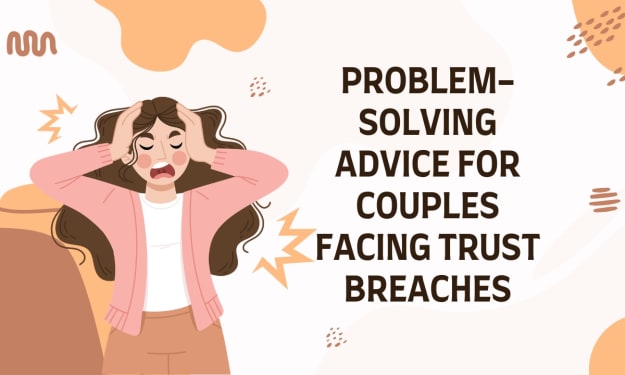
Problem-Solving Advice For Couples Facing Trust Breaches
Any form of trust that has been violated through dishonesty, infidelity or secrecy destroys the relationship. John Gottman, a psychologist, urges that it is best to accept the breach as it is and this is a step towards healing. Denial or minimisation is just a postponement of emotional distress. Instead of generalizing and blaming each other, both partners should be able to identify the specific actions and consequences. The expression of pain, rage, or disillusionment is justified through open recognition.
By Hayley Kiyokoabout 2 hours ago in Humans


Comments
There are no comments for this story
Be the first to respond and start the conversation.