
Mind’s Edge
When the mind races faster than life itself

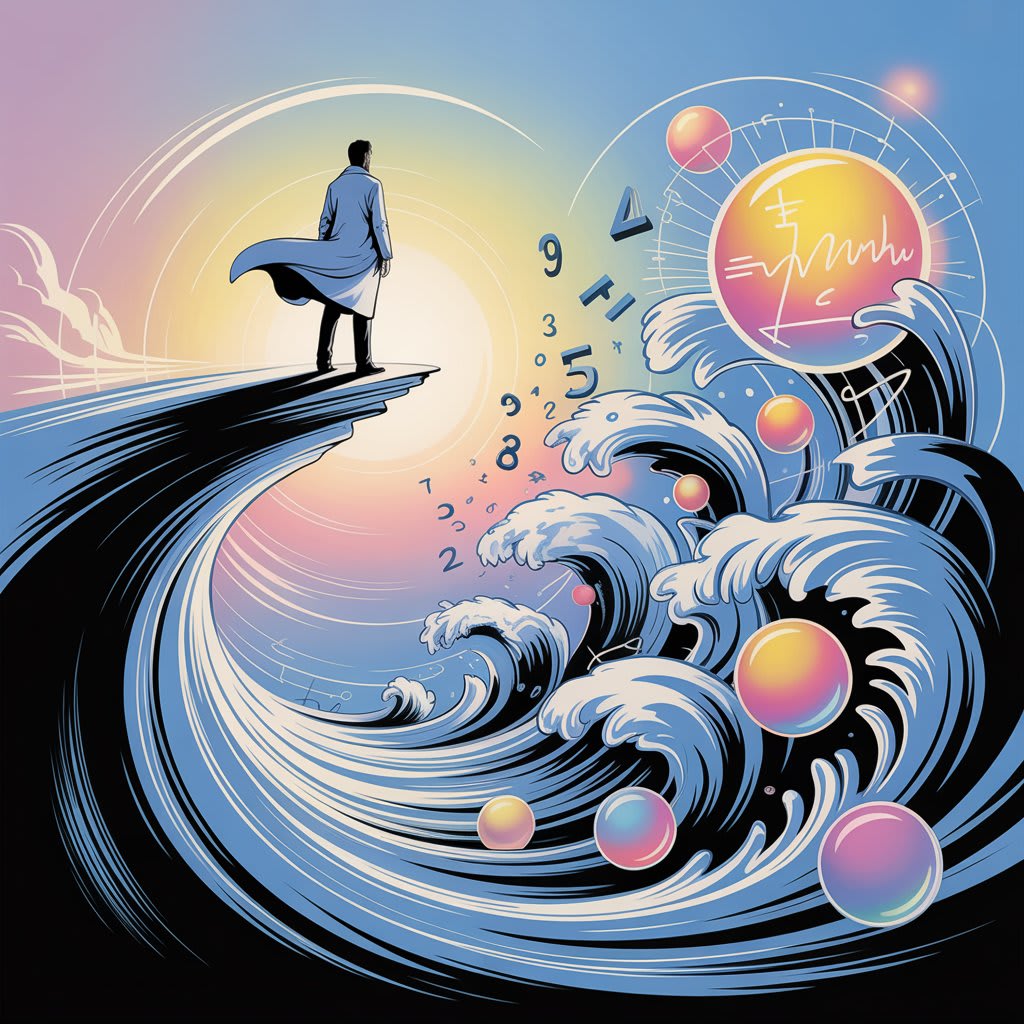
I’ve always wondered what it feels like to stand at the edge—not the edge of a cliff, or a building, but the edge of your own mind. That strange place where thoughts pile up like runaway trains, where decisions feel heavier than gravity, and where every “what if” spins into a thousand “why nots.”
For me, that edge wasn’t built overnight. It crept in slowly, like fog rolling into a city, quiet but relentless. At first, it was just small things: forgetting why I entered a room, losing track of conversations, or staring at a blank page for hours because my thoughts refused to cooperate.
The Day Everything Cracked
It happened one Tuesday, a day I will never forget. I had an important presentation at work. Hours of preparation, endless slides, rehearsed lines—I was ready. Or so I thought.
As soon as I stepped in front of the room, my mind betrayed me. Blank. Every word I had memorized vanished like smoke. My hands trembled. My heart raced like a drumline on steroids. I could feel my colleagues’ eyes on me, but they weren’t judging—they were waiting. Waiting for me to falter.
And falter I did.
I stumbled through my speech, skipped slides, and mumbled conclusions that made no sense. When it was over, I felt hollow, like my brain had leaked out and left only a fragile shell.
That night, I sat alone in my apartment, staring at the ceiling, wondering: Am I losing it?
Understanding the Edge
The mind’s edge isn’t just stress, or anxiety, or burnout. It’s a peculiar combination of all three, amplified by self-doubt and fear. It’s when your own thoughts feel like both allies and enemies, when the brain races so fast you can’t catch up, but also hesitates so long you fall behind.
I learned that everyone has their own edge, though few talk about it. Some hide behind humor, some drown in busyness, and some—like me—sit silently, feeling as if the world is moving in slow motion while your mind runs laps around it.
The Unlikely Savior
For me, the breakthrough came in the form of a stranger’s words. I was walking in the park, a mess of frustration and self-doubt, when an elderly man feeding birds noticed me pacing like a trapped animal.
“Mind racing too fast?” he asked, almost rhetorically.
I laughed nervously, “Something like that.”
He smiled, gentle and knowing. “You’re standing on the edge,” he said. “You can either fall or step back. But first, you have to breathe. Your mind isn’t broken. It’s awake.”
It was a simple statement, but it hit me like a splash of cold water. The edge wasn’t a place of failure—it was a signal. My brain wasn’t broken. It was asking for attention, care, and structure.
Learning to Step Back
After that day, I began experimenting with small things. Meditation, journaling, walking without my phone, even talking openly with friends about what I was feeling. At first, it felt absurd. How could simple breathing or writing reduce the chaos of my racing thoughts?
But it did. Slowly, I learned to step back from the cliff of my own mind. I began noticing triggers, patterns, and the subtle ways I pushed myself too hard. I accepted that some days would feel like a storm, and some like a calm lake, and both were necessary.
The Edge Becomes a Tool
Ironically, the edge that once terrified me became a source of creativity. I started writing stories about my experiences, turning anxiety into insight. Ideas flowed faster than ever because I had learned to surf the waves rather than fight them. I realized that the edge isn’t a place to fear—it’s where the mind stretches, grows, and discovers its limits.
The edge taught me patience, empathy, and resilience. It taught me to slow down, speak openly about struggles, and seek help without shame. And most importantly, it reminded me that even when the mind feels like it’s about to unravel, there’s always a way back to solid ground.
Final Thought
The mind’s edge isn’t a curse. It’s a challenge, a call to listen, to pause, and to step gently. It’s proof that our brains are alive, unpredictable, and capable of both chaos and brilliance.
So if you feel your thoughts spiraling, your decisions paralyzed, or your confidence shaken, remember this: the edge is not a place to fear. It’s a place to learn, adapt, and eventually soar. Stand there, breathe, and watch how far you can go.
Because the mind, even on its wildest edge, can teach you more than comfort ever will.
About the Creator
LUNA EDITH
Writer, storyteller, and lifelong learner. I share thoughts on life, creativity, and everything in between. Here to connect, inspire, and grow — one story at a time.
Keep reading
More stories from LUNA EDITH and writers in Humans and other communities.
Tatt~Master
— Assembly Line Tatt Machine ~ Impressions to Impress — As I begin to understand more about the Tattoo Phenomenon. I've written silly, yet verbatim, dating site anecdotes in 'Frazzled.' So let me ask you: Would you be More attracted to someone slathered with tattoos, or Less?
By Jay Kantorabout 6 hours ago in Humor




Comments
There are no comments for this story
Be the first to respond and start the conversation.