
Mental Health TikTok: Is It Really Helping or Just Spreading Misinformation?
TikTok has become a huge platform for sharing advice on anxiety, depression, and ADHD. But is it truly helpful, or is it spreading misinformation? Learn how TikTok's mental health community can be a double-edged sword, especially for those in third-world countries, where access to therapy is limited. Let’s talk about how to navigate mental health content safely on social media and avoid the risks of self-diagnosing ourselves.

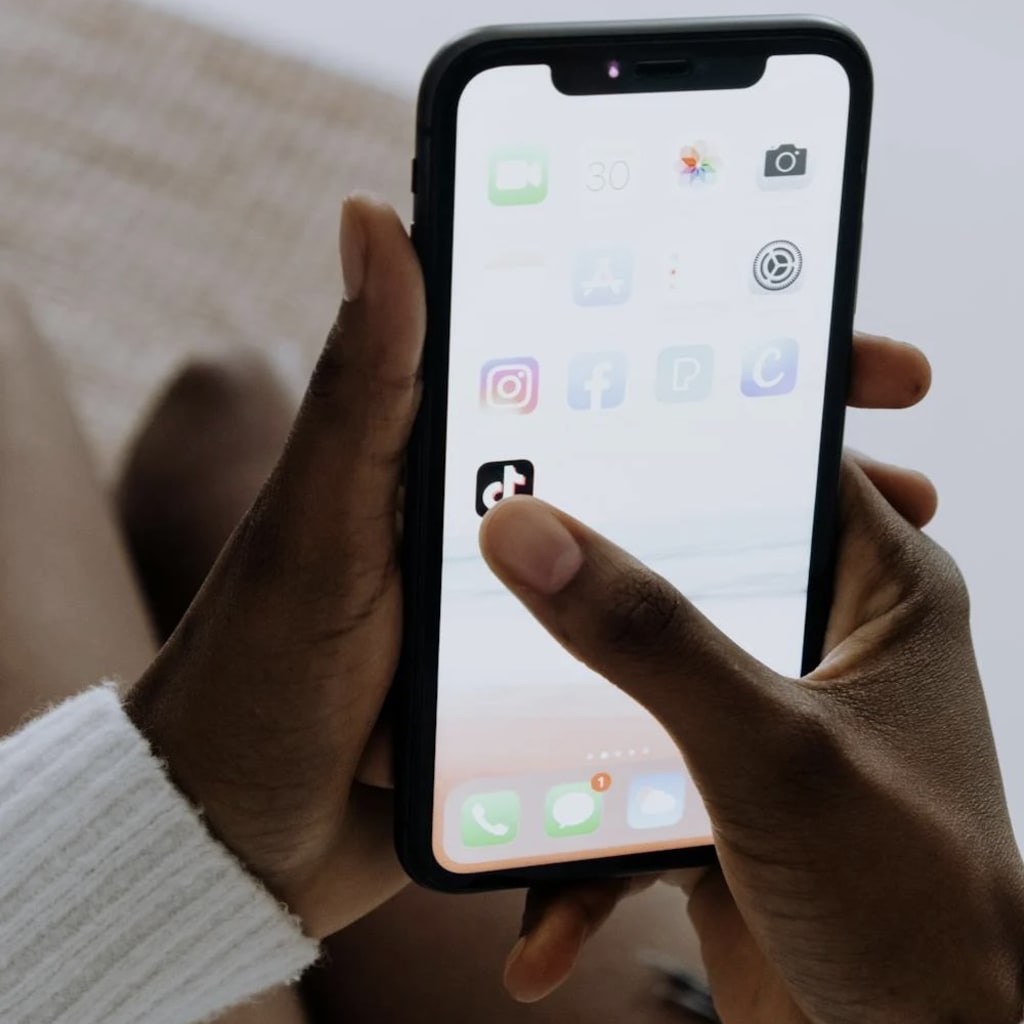
Okay, so if you're like me, you’ve probably spent an embarrassing amount of time scrolling through TikTok. At some point, between dance challenges and cooking hacks, you’ve probably come across a Mental Health TikTok video. You know the ones—they offer advice on anxiety, ADHD, depression, and even disorders like BPD (Borderline Personality Disorder) in 30-second sound bites. And I’m not gonna lie, when I first started seeing those videos, I was hooked. It felt like TikTok was becoming this safe space where people were finally talking about their mental health, sharing tips, and validating experiences I never even knew were that common. But after a while, I started to wonder… *Is Mental Health TikTok actually helping, or is it just spreading misinformation?*
How TikTok Helped Me… At First
Let me be real for a sec. The first time I stumbled across a TikTok talking about anxiety, it was like the creator was in my head. They described the feeling of being overwhelmed in social situations so perfectly, I felt seen. And not in a “here’s a checklist of symptoms” kind of way, but in a “this is what it actually feels like” way.
For a long time, I thought mental health was just something I had to figure out on my own. Coming from Lesotho(a third world country), where therapy isn’t common because most people, including me, can’t afford it, the idea of getting professional help always felt out of reach. TikTok gave me a community—a space where I saw that other people were going through the same struggles. It made conversations about mental health feel normal.
I learned breathing techniques for anxiety(which I don’t think work lol) I learned how to structure a “brain dump” journal when I felt overwhelmed. These quick, short videos seemed like they were making mental health care more accessible for people who couldn’t get it otherwise. And for that, Mental Health TikTok deserves some serious credit.
But Then Again, It’s Social Media…
As helpful as TikTok can be, it’s important to remember that it’s still social media. And social media has a way of making things trendier than they should be. I started seeing more and more videos with people casually throwing out terms like “ADHD brain,” “depressed girl era,” and “trauma dumping” as if they were just quirky personality traits instead of actual mental health issues.
Suddenly, it felt like everyone was diagnosing themselves with something. I saw people making TikToks about how having a messy room meant you had ADHD, or how staying in bed for a few days meant you were definitely clinically depressed. Now don’t get me wrong—those things might be symptoms of those disorders, but it started feeling like every little thing was being turned into a mental health diagnosis. And the more I watched, the more confused I got. Was I actually struggling with anxiety, or was I just seeing so much content about it that I was convincing myself I had it worse than I thought?
This is where Mental Health TikTok can get dangerous. Without professional context, these short clips can make it seem like anyone can diagnose themselves or treat their issues with a quick life hack. Even though mental health is so much more complex than what can be covered in a 30-second TikTok. While some creators are mental health professionals, many are just regular people sharing their own experiences—which is great, but it doesn’t mean their advice is universal or scientifically accurate.
The Dark Side of TikTok Advice
The real issue with Mental Health TikTok isn’t the conversations, it’s the lack of facts. A lot of videos oversimplify really complicated issues. For example, someone might say, “You have ADHD if you can’t focus on boring tasks.” And while that can be true for some, it’s not the only indicator, and it’s not enough to diagnose someone. What happens is that we start self-diagnosing based on these oversimplified ideas, and that can lead to more harm than good.
Worse, some creators are actually spreading straight-up misinformation. I’ve seen videos where people offer “cures” for mental health issues that are not based in science at all—like suggesting you can cure depression by drinking more water (um, what?). Misinformation on TikTok can spread FAST, and once it does, it’s hard to correct.
So, Is Mental Health TikTok Helping or Hurting?
Honestly, I think it’s both. It’s amazing that mental health is being discussed openly and without stigma, and TikTok has made that happen for a lot of people, especially Gen Z. But we have to be careful. We need to remember that TikTok is not a substitute for professional help, and while it can provide some good insights, it can also spread dangerous misinformation.
Conclusion
Here’s my advice: if you’re using TikTok for mental health content, don’t believe everything right away. It’s a good starting point, but make sure to do your own research and talk to a professional if you can. TikTok is great for raising awareness, but it’s not for diagnosing or treating issues. Don’t let the app control your mental health journey.
About the Creator
Cindy🎀
Hey, I’m Cindy – a K-pop newbie turned addict with a keyboard and way too many opinions. When I’m not screaming about talented artists, I’m writing poetry or ranting about my life.
Healing Upward and Outward
Healing Upward and Outward Reconciliation is repairing the broken threads that connect us. These threads reach in two directions: up and out. First, we must consider the vertical dimension: our internal self and our relationship with the Divine. Before we can reach out to others, we are called to look inward and sit in the quiet, sometimes uncomfortable light of self-reflection. We must ask, “Where have we stumbled or contributed to a fracture?”
By Archery Owl 7 days ago in Humans


Comments (1)
I liked your content. Thanks for sharing. If you wish you can subscribe me as well as I did to you 🥰