
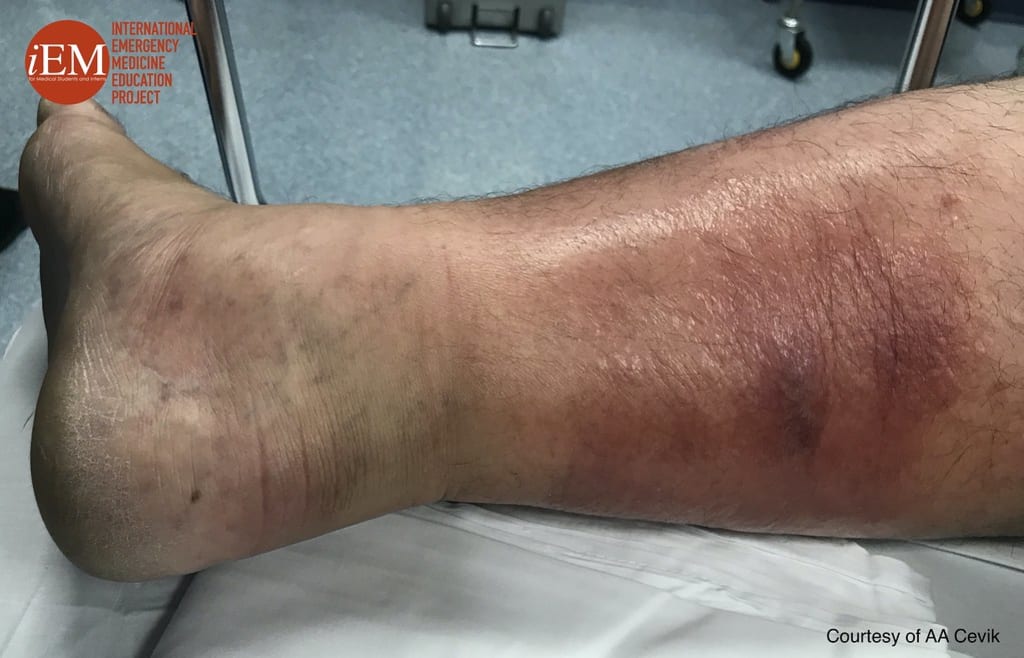
Cellulitis is a bacterial infection that affects the skin and the soft tissues beneath it. It is a common condition that can occur anywhere on the body, but most often affects the legs, arms, and face. In this article, we will discuss the causes, symptoms, and treatment options for cellulitis.
Causes of Cellulitis
Cellulitis is caused by bacteria, usually Staphylococcus or Streptococcus. These bacteria can enter the body through a break in the skin, such as a cut, scrape, or insect bite. In some cases, cellulitis can also occur as a complication of an existing skin condition, such as eczema or psoriasis.
Individuals with weakened immune systems, such as those with diabetes, HIV/AIDS, or cancer, are at an increased risk for developing cellulitis. Additionally, those with poor circulation or lymphedema, a condition that causes swelling in the arms or legs, may also be at a higher risk.
Symptoms of Cellulitis
The symptoms of cellulitis can vary depending on the severity and location of the infection. Common symptoms include:
Redness and swelling of the affected area
Warmth and tenderness to the touch
Pain or discomfort
A feeling of tightness or pressure in the affected area
Fever or chills
Swollen lymph nodes
In severe cases, cellulitis can lead to the development of abscesses or the spread of infection to the bloodstream, a condition called sepsis. It is important to seek medical attention if you suspect you have cellulitis, particularly if you have any of these more severe symptoms.
Treatment for Cellulitis
Treatment for cellulitis typically involves antibiotics to kill the bacteria causing the infection. The type of antibiotic prescribed will depend on the severity of the infection and the type of bacteria involved.
In some cases, hospitalization may be required, particularly if the infection is severe or if there are other complicating factors. In the hospital, antibiotics may be given intravenously to more effectively treat the infection.
In addition to antibiotics, other treatments may be recommended to manage the symptoms of cellulitis. These may include:
Elevating the affected area to reduce swelling
Applying warm compresses to the affected area to promote healing and relieve discomfort
Taking pain relievers, such as acetaminophen or ibuprofen, to manage pain
Drinking plenty of fluids to prevent dehydration
Prevention of Cellulitis
There are several steps you can take to help prevent cellulitis. These include:
Keeping skin clean and dry
Treating cuts and scrapes promptly with antiseptic and covering them with a sterile bandage
Avoiding sharing personal items such as towels, razors, or clothing
Wearing protective clothing, such as long pants and sleeves, when engaging in outdoor activities
Practicing good hygiene, such as washing hands frequently and avoiding touching your face
If you have a preexisting skin condition, such as eczema or psoriasis, it is important to work with your healthcare provider to manage your condition and reduce your risk of developing cellulitis.
Risk factors
Cellulitis is a bacterial infection that can occur in anyone, but certain factors can increase an individual's risk of developing the condition. Some of the common risk factors for cellulitis include:
Skin injuries: Open wounds, such as cuts, burns, punctures, or surgical wounds, can provide an entry point for bacteria to enter the skin and cause infection. Individuals who work in jobs that involve exposure to sharp objects or chemicals are also at increased risk.
Weakened immune system: People with weakened immune systems, such as those with HIV/AIDS, cancer, or diabetes, are more susceptible to infections, including cellulitis.
Lymphatic obstruction: Lymphedema is a condition that causes swelling in the arms or legs due to a blockage in the lymphatic system. The accumulation of fluid in the affected area can create an environment that is more conducive to bacterial growth, increasing the risk of cellulitis.
Obesity: Being overweight or obese can increase the risk of developing cellulitis due to the increased pressure on the skin and underlying tissues, which can cause small breaks in the skin and create an entry point for bacteria.
Skin conditions: Certain skin conditions, such as eczema or psoriasis, can create an environment where bacteria can easily enter and cause infection.
Intravenous drug use: Intravenous drug use can cause skin infections that can lead to cellulitis. Sharing needles and other injection equipment can also increase the risk of infection.
Animal bites: Animal bites, particularly from cats and dogs, can introduce bacteria into the skin and increase the risk of cellulitis.
Age: Elderly individuals are more susceptible to cellulitis due to age-related changes in the skin, such as decreased elasticity and thinner skin, which can increase the risk of skin injuries.
It is important to be aware of these risk factors and take steps to prevent cellulitis, such as practicing good hygiene, treating skin injuries promptly, and managing any underlying medical conditions.
Conclusion
Cellulitis is a common bacterial infection that can affect anyone, but particularly those with weakened immune systems or poor circulation. Symptoms may include redness, swelling, warmth, and tenderness of the affected area, as well as fever or chills. Treatment typically involves antibiotics, but other measures may be recommended to manage symptoms. Prevention measures include keeping skin clean and dry, treating cuts and scrapes promptly, and avoiding sharing personal items. If you suspect you have cellulitis, it is important to seek medical attention promptly to prevent complications.
About the Creator
Keep reading
More stories from writers in Humans and other communities.
The CEO of Everything
They say "jack of all trades, master of none," but they forgot to mention the part where the jack of all trades is also the camera woman, the makeup artist, and the person currently yelling at a tangled Wii microphone cable in a her own bathroom while recording herself singing and trying to make it look realistic and professional. (As professional as you can make it with nothing but a cell phone camera and a mic that doesn't work)
By Sara Wilson7 days ago in Humans
The Sound of Rain
The first thing I noticed was the sound. Not the gentle, polite drizzle that whispers against windows, but a persistent, almost stubborn rainfall that seemed determined to be heard. It filled the room with its insistent rhythm, a sound both familiar and strange, as if it were trying to tell me something I had long forgotten. I sat on the edge of my bed, laptop abandoned on my knees, and let it wash over me.
By Salman Writes4 days ago in Humans
How to Succeed at the Benson Directory®
Congratulations and welcome to the Benson Directory® employee #22391! As our newest call handler, you will have the privilege of speaking with dozens of unique and interesting people on a daily basis as well as the opportunity to earn bonuses for high performance. Contained within this handbook you will find a set of ease to follow instructions designed to help you settle in to your new role and begin paving the way to success.
By S. A. Crawford7 days ago in Fiction




Comments
There are no comments for this story
Be the first to respond and start the conversation.