
Maxwell Won’t Answer Questions From Congress, Lawyer Says
Silence Rekindles Debate Over Accountability, Transparency, and the Epstein Legacy
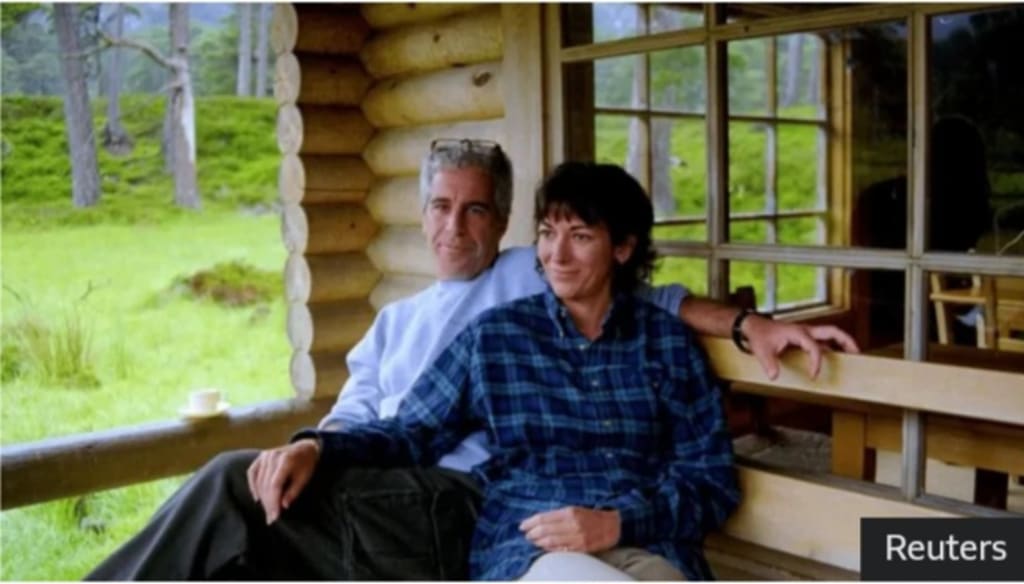
Ghislaine Maxwell’s refusal to answer questions from Congress, as confirmed by her lawyer, has reignited public debate over accountability in one of the most disturbing abuse scandals of modern times. The decision has drawn sharp reactions from lawmakers, survivors’ advocates, and the public, many of whom see her silence as another barrier to uncovering the full truth behind Jeffrey Epstein’s criminal network.
Maxwell, a longtime associate of Epstein and a central figure in his operations, remains one of the few individuals with direct knowledge of how abuse was facilitated, concealed, and normalized among powerful circles. Her unwillingness to cooperate with congressional inquiries has once again raised questions about whether justice can truly be served without full transparency.
Congressional Interest and Public Expectations
Congressional committees have expressed interest in questioning Maxwell as part of broader efforts to understand institutional failures surrounding Epstein’s crimes. Lawmakers argue that hearings could shed light on how authorities, financial institutions, and social elites failed to intervene despite repeated warning signs.
For many observers, Congress represents one of the last avenues for accountability. While criminal proceedings have addressed some aspects of the case, they have not fully answered how Epstein was able to operate for decades with apparent impunity. Maxwell’s testimony, lawmakers believe, could provide critical insight into that system of protection.
Her lawyer’s statement that she will not answer questions has therefore been met with frustration. Critics argue that the refusal undermines public confidence and reinforces the perception that powerful individuals can avoid scrutiny, even after convictions and widespread public outrage.
Legal Rights Versus Moral Responsibility
Supporters of Maxwell’s decision emphasize that she has legal rights, including the right to remain silent and avoid self-incrimination. From a legal standpoint, her lawyer’s position is neither unusual nor unexpected. Any testimony before Congress could carry legal risks, particularly if it overlaps with ongoing or potential appeals.
However, critics draw a sharp distinction between what is legally permissible and what is morally responsible. Survivors’ advocates argue that while silence may be lawful, it comes at a cost to truth and healing. For those who endured abuse, unanswered questions can feel like an extension of the injustice they have already suffered.
This tension between legal protection and ethical accountability sits at the heart of the controversy. It reflects a broader societal struggle over how to balance individual rights with the public’s right to know in cases involving widespread harm.
Survivors React to the Silence
For survivors of Epstein’s abuse, Maxwell’s refusal to testify is deeply painful. Many have long believed that she holds information that could validate their experiences and expose others who enabled or ignored the abuse. Her silence, they say, prolongs a sense of invisibility and dismissal.
Survivors have repeatedly emphasized that accountability is not solely about punishment—it is about acknowledgment. When key figures refuse to speak, it reinforces a pattern in which victims are expected to move on without ever receiving full answers.
Advocacy groups argue that this moment highlights systemic issues that go beyond one individual. They point to a justice system that often prioritizes procedural caution over survivor-centered outcomes, especially when cases involve wealth and influence.
A Pattern of Secrecy
Maxwell’s refusal to engage with Congress fits into a larger pattern of secrecy surrounding the Epstein case. Over the years, documents have been sealed, settlements reached behind closed doors, and investigations quietly discontinued. Each instance has fueled public suspicion and eroded trust in institutions meant to protect the vulnerable.
Transparency advocates warn that continued silence risks rewriting history. Without full disclosure, narratives can be shaped by those with the most power rather than those who suffered the most harm. Congressional hearings, while imperfect, are seen as a way to place facts on the public record and prevent future abuses.
The lack of cooperation from key witnesses makes that task significantly harder.
Implications for Public Trust
Public trust in legal and political institutions has already been strained, and cases like this exacerbate that erosion. When someone so closely tied to a notorious abuse network declines to answer questions, many people see confirmation of a two-tier system of accountability.
This perception has broader consequences. It discourages victims of abuse from coming forward and reinforces cynicism about whether powerful wrongdoers will ever face meaningful consequences. Lawmakers have warned that without transparency, lessons cannot be learned, and reforms cannot be effectively implemented.
Maxwell’s silence, therefore, is not just a personal legal decision—it has implications for how society understands justice and responsibility.
The Limits of Congressional Power
Despite public pressure, Congress has limited ability to compel testimony under certain circumstances. Legal protections, appeals processes, and constitutional rights all shape what lawmakers can realistically achieve. This reality has frustrated those who hoped congressional questioning would finally reveal the full scope of Epstein’s network.
Still, some lawmakers argue that even the attempt matters. Calling witnesses, issuing subpoenas, and documenting refusals can help build a historical record and maintain pressure for transparency. Silence, when formally recorded, can speak volumes.
Looking Ahead
Maxwell’s refusal to answer congressional questions underscores the unfinished nature of the Epstein scandal. While some legal proceedings have concluded, many moral and institutional questions remain unresolved. Who enabled the abuse? Who looked the other way? And how can similar failures be prevented in the future?
These questions continue to haunt survivors, policymakers, and the public alike. Whether or not Maxwell ever speaks, the demand for accountability is unlikely to fade.
Conclusion
The announcement that Ghislaine Maxwell will not answer questions from Congress has reignited anger, frustration, and sorrow surrounding the Epstein case. While legally defensible, her silence highlights the limits of justice in confronting abuse tied to power and privilege.
For survivors and advocates, the refusal represents another missed opportunity for truth and closure. For society, it serves as a stark reminder that accountability requires more than convictions—it requires transparency, courage, and a willingness to confront uncomfortable realities. Whether those demands will ultimately be met remains an open question.
About the Creator
Keep reading
More stories from Ayesha Lashari and writers in Humans and other communities.
The Nipah Virus: A Deadly Threat to Global Health
The Nipah virus (NiV) is an emerging zoonotic virus that has raised serious public health concerns due to its high fatality rate and potential for rapid transmission. Discovered in 1998 in Malaysia, the virus has since caused multiple outbreaks in South Asia, particularly in countries like India and Bangladesh. While the number of cases has been relatively low compared to other global health threats, the virus's ability to cause severe illness and death has put it on the radar of global health organizations.
By Ayesha Lashari7 days ago in Humans
When True Love Never Questions Your Soul
“And she’s going to learn that this life will hit you, hard, in the face, wait for you to get back up, just so it can kick you in the stomach but getting the wind knocked out of you is the only way to remind your lungs how much they like the taste of air.” — Sarah Kay’s Poem — If I Should Have a Daughter
By Chantal Christie Weissa day ago in Humans
Cold Weather: Does it kill germs or make you sick?
Will a goof freeze destroy germs? Last week, a man told me that he was thankful for the constant freezing temperatures in Virginia because it would kill germs. I have heard this theory all of my life, but is it accurate?
By Cheryl E Prestonabout 8 hours ago in Humans
Writing About Writing: The Rainbow Trap
The good thing about living in modern times is that LGBTQ representation in media is increasing. Not just in niche and Independant media, either, but also in mainstream media. Books, movies, TV shows, comics... they're finally catching on that LGBTQ+ people form a significant part of their audience, and deserve to see themselves on screen and in fiction, not just as victims in documentaries and true crime shows.
By Natasja Rose6 days ago in Writers


Comments
There are no comments for this story
Be the first to respond and start the conversation.