
Maximize the Benefits of Massage!
When You Need a Massage


In today’s fast-paced world, people constantly face intense competition and demanding schedules. Office workers spend long hours in front of computers, students sit at their desks studying for extended periods, and the increased use of smartphones and tablets has led to excessive tension in the neck and shoulders. These habits contribute to muscle fatigue, stiffness, and even chronic pain over time.
Stress is another major issue. The pressure from heavy workloads, academic responsibilities, and interpersonal relationships can accumulate, disrupting the balance of the autonomic nervous system. Persistent stress can lead to symptoms such as insomnia, difficulty concentrating, headaches, and digestive issues, ultimately lowering overall quality of life. Therefore, managing both physical fatigue and mental stress is essential for maintaining good health.
Massage is not just about rubbing or pressing the body; it is a scientifically proven method that helps relax muscles and improve blood circulation. There are various types of massage, including full-body massage, deep tissue massage, and Swedish massage, each tailored to specific needs and conditions.
Regular massage sessions help relieve muscle tension, reduce pain, and enhance circulation, which aids in the removal of toxins from the body. A full-body massage, in particular, is highly effective in restoring overall balance and promoting faster recovery from fatigue. Additionally, massage has a calming effect on the nervous system, helping to alleviate anxiety and improve sleep quality. Given its benefits in reducing stress and maintaining physical well-being, massage has become an essential self-care practice for modern individuals.
When You Need a Massage
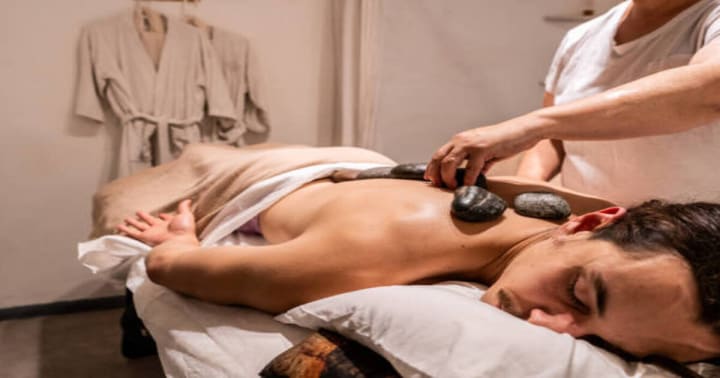
When You Feel Extreme Fatigue
Long hours of work, studying, or driving can lead to stiffness and severe fatigue. In such cases, massage can be an effective solution. Prolonged sitting in the same posture causes muscle tension and poor blood circulation, leading to discomfort. A full-body massage helps relieve tension throughout the body and improves blood flow, reducing fatigue. Additionally, a lymphatic massage promotes the elimination of toxins, reduces swelling, and enhances metabolism, contributing to overall wellness.
When Your Muscles Need Recovery After Exercise
After intense workouts, muscles become tense and may suffer from micro-tears. A sports massage or deep tissue massage can help release muscle tightness and accelerate recovery. Deep tissue massage, in particular, applies firm pressure to deeper layers of muscle, increasing blood flow and reducing inflammation, which alleviates muscle soreness. To maximize the benefits, combining massage with post-exercise stretching enhances flexibility and reduces the risk of injury.
When You Have Poor Blood Circulation
Poor blood circulation can lead to swollen legs or numbness in the hands and feet. To prevent and alleviate these symptoms, a foot massage or lymphatic massage can be highly effective. Foot massage stimulates blood circulation in the feet, reducing swelling and relieving fatigue. Meanwhile, a lymphatic massage promotes the flow of lymph fluid, helping remove toxins and boosting the immune system. Pairing this with an aromatherapy massage can further relax the body and enhance metabolism.
When You Need to Relieve Stress
Chronic stress not only causes physical fatigue but also increases mental tension and anxiety. In such cases, Swedish massage or healing massage can stabilize the nervous system and promote relaxation for both body and mind. Swedish massage uses gentle pressure to release muscle tension and improve blood circulation, while healing massage focuses on enhancing psychological well-being. Combining massage with meditation can further amplify stress relief effects.
When You Have Insomnia or Poor Sleep Quality
Irregular lifestyle habits or stress can lead to insomnia or poor sleep quality. Massage helps induce deep sleep by calming the nervous system and relaxing the muscles. Scalp massage, in particular, relieves tension in the head, stimulates blood circulation to the brain, and provides a sense of mental relaxation. Meanwhile, a full-body massage reduces muscle fatigue and keeps the body warm, facilitating better sleep. Establishing a regular massage routine can significantly improve the quality of your rest.
Health Management Methods to Enhance the Benefits of Massage
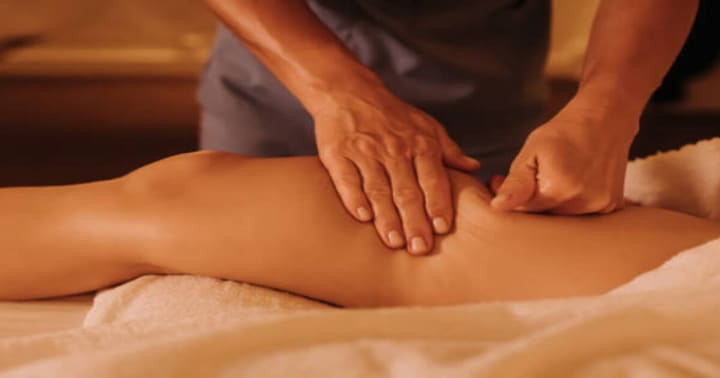
Thermotherapy: Warm Compress or Half-Bath After Massage
Combining thermotherapy with massage helps improve blood circulation and enhances muscle relaxation. A warm compress increases localized blood flow, reducing muscle fatigue, while a half-bath relaxes the entire body. Soaking in warm water helps expand blood vessels, promoting better oxygen supply and relieving minor post-massage soreness. For best results, a half-bath should be maintained at 38–40°C for 15–20 minutes. When using a warm compress, care should be taken to avoid excessive heat, which may cause skin irritation.
Meditation and Breathing Exercises: Relaxation and Mental Stability After Massage
Massage not only relaxes the body but also contributes to mental stability. Practicing meditation and breathing exercises after a massage can lower heart rate and reduce cortisol, the stress hormone. Deep, slow diaphragmatic breathing stabilizes the autonomic nervous system and helps restore balance. Spending 5–10 minutes in a quiet space, closing your eyes, and focusing on deep breaths can relieve tension and promote a sense of calm. Regular meditation enhances the long-term effects of massage, ensuring prolonged relaxation and stress relief.
Balanced Nutrition: Replenishing Proteins and Minerals After Massage
After a massage, the body requires essential nutrients to support muscle recovery and overall well-being. Protein aids in muscle repair and tissue regeneration, while minerals help maintain electrolyte balance. Consuming protein-rich foods such as chicken breast, tofu, and eggs is beneficial, along with potassium- and magnesium-rich foods like bananas, nuts, and seaweed. Additionally, staying hydrated by drinking water or electrolyte beverages helps flush out toxins and enhances the benefits of the massage.
Adequate Sleep: Maximizing Recovery and Fatigue Relief
Massage helps release physical tension and stabilizes the nervous system, making it easier to achieve deep sleep. Getting enough rest after a massage allows muscles to recover efficiently and boosts immunity and energy levels. To improve sleep quality, it is recommended to relax for 30 minutes to an hour after a massage, minimize screen time before bed, and create a dimly lit sleeping environment. Drinking warm tea or doing light stretching before bedtime can further enhance relaxation and promote restful sleep. Maintaining a consistent sleep schedule after massages can optimize recovery and overall well-being.
How to Maximize the Effects of Massage
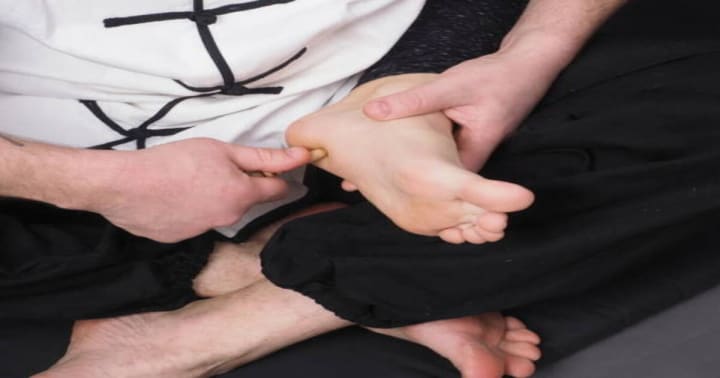
Performing light stretching before a massage can help relax the muscles and improve blood circulation, enhancing the overall effectiveness of the treatment. This is especially beneficial for deep tissue or sports massages, as it helps prepare the muscles for deeper pressure and release. Additionally, receiving a massage can lead to the release of toxins and increased fluid loss from the body. To replenish lost fluids and support metabolism, it is essential to drink plenty of water after the session. Warm water or herbal tea is particularly effective in further relaxing the body and promoting better recovery.
To achieve optimal benefits, it is important to follow an appropriate massage schedule based on the type of treatment. Deep tissue and sports massages, which apply strong pressure to the muscles, should be scheduled once a week or every two weeks to prevent overstimulation. On the other hand, Swedish and aromatherapy massages, which focus on relaxation and stress relief, can be safely enjoyed one to two times per week. Lymphatic drainage and foot massages, which promote circulation and detoxification, can be performed two to three times per week. Overly frequent or infrequent massages may reduce their effectiveness, so it is crucial to adjust the schedule according to individual needs and conditions.
Maintaining body temperature after a massage is essential for prolonging its benefits. Massage stimulates blood circulation and relaxes muscles, but exposure to cold temperatures can cause muscles to tense up again. This is particularly important after full-body or lymphatic massages, where warmth helps to sustain the relaxation effect. If you want to learn more about massage services in detail, visit an intermediary platform like 스웨디시쏘. Drinking warm tea, using heating pads, or wrapping oneself in a blanket can help retain body heat and maximize the therapeutic effects of the massage. Additionally, avoiding sudden temperature changes or exposure to cold air immediately after a session can further enhance the benefits of the treatment.
About the Creator
Sophia
전문적인 마사지 정보와 건강한 휴식을 위한 팁을 공유합니다. 제대로 알고, 제대로 쉬자.
Keep reading
More stories from writers in Humans and other communities.
Whiskey At Dusk
Guess the whiskey was more important to you in the end, wasn’t it? It was more than the well-being of your friends; more vital than showing up to the places you promised you would and could come to; more critical of a matter than fulfilling your damn responsibilities and getting the press off your back.
By Snarky Lisa7 days ago in Humans
Signs Your Relationship Is Negatively Affecting Mental Health And Happiness
Constant emotional fatigue is one of the most indicative signs that a relationship is causing mental health problems. You feel exhausted after you communicated with your partner as opposed to being supported or energised. Constant tension, unfinished arguments or emotional vagaries can cause your mind to be in a state of alertness. The consequences of this chronic stress include a lack of focus, insomnia, and general mood. Once a relationship turns out to be a main cause of anxiety, but not a comfort, this is a warning of an unhealthy emotional balance that may gradually undermine the wellbeing of the mind and the happiness of the everyday.
By Robert Smith3 days ago in Humans
10 Times Rotten Tomatoes and I Disagreed
***Disclaimer*** I will be ranking these movies in the following manner: The greater the divide between Rotten Tomatoes and I, the higher up on the list (and I am referring to the critic's score, not the audience score). I will also show Rotten Tomatoes' score on each one in addition to my score. I am curious to know what everyone thinks, please let me know in the comments below!
By Madison "Maddy" Newton6 days ago in Geeks
Killing him slowly
There’s an intruder in my house again. He stumbles through the door, wet carrier bags in hand. He’s bought me offerings. I show my appreciation, letting him caress my beautiful body. He wants to touch me. I rub myself against his legs. He sighs, dropping the bags. He can’t resist touching me. Running his hand slowly down my spine, I arch my back towards his caress, let out a low purr. It’s what we both need.
By N J Delmas4 days ago in Horror



Comments