
Mastery: How to Learn Anything Fast
and I mean anything!

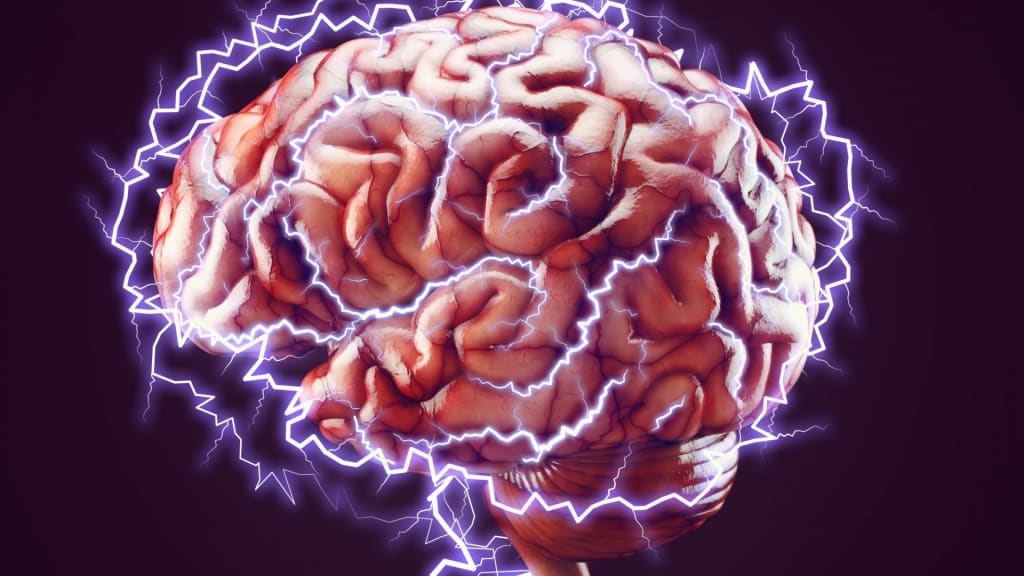
Raise your hand if you think you have a fantastic memory. Did a few hands go up? Now, raise your hand if you think you have a bad memory. Ah, there it is—more hands going up this time! And for those of you who didn't raise your hand either time, maybe you just forgot! Here’s the good news: whether you believe you have a great memory or a terrible one, it doesn't really matter. The truth is, you can train your brain to remember better, learn faster, and master anything you want in life. And today, I’m going to show you how.
Let’s start with a little demonstration. Imagine I invite five people from the audience to come up on stage and each one writes a six-digit number on a flip chart. By the end, we have a 30-digit number. I stand behind the flip chart, not looking at the numbers, while one of our volunteers reads them aloud to me. Then, without looking, I recall the entire 30-digit number. Impressive, right? You might wonder how I did it, but here's the secret: it's not magic, and it's certainly not a talent I was born with. It's simply the result of training my brain.
I’ve used similar techniques to memorize a sequence of 1,944 digits, memorize a deck of cards in less than two minutes, and even memorize seven decks of playing cards in just 60 minutes! I’m also a Grandmaster of Memory and a Guinness World Record holder for memorizing the longest sequence of colors. But here’s the kicker: years ago, I had a lousy memory. If you asked my parents, they’d tell you the same.
I remember, as a teenager, my mother asked me to buy something from the shop. I hopped on my bicycle, rode to the store, and walked in, completely forgetting I had even ridden my bike there. I left the shop and started walking home. It wasn’t until the next day that I realized I had forgotten my bicycle. Yep, I lost it. So, how did I go from having such a poor memory to breaking world records? Simple: I trained my brain, and the good news is, anyone can do it.
The Power of Lifelong Learning
If you look at some of the most successful people in the world, you’ll notice a common thread: they are all masters of their game. Think of them—billionaires, celebrities, athletes, and leaders. While they all share traits like passion, clear goals, and hard work, one thing many people overlook is their commitment to lifelong learning. They constantly push themselves to learn new things and expand their minds. As Oliver Wendell Holmes once said, "A mind that is stretched by a new experience can never go back to its old dimensions."
Your ability to learn faster than others will set you apart. It can take you from being underpaid to overpaid, from being ordinary to extraordinary. But how exactly do you learn faster and better?
Input vs. Output: The Key to Mastery
Learning starts with input. Many of us focus too much on input—attending seminars, reading books, watching videos, and listening to podcasts. We’re bombarded with information all day long, but if we don’t know how to use it, it’s just "intellectual entertainment." If you're constantly taking in new information without applying it, you’re engaging in shallow learning.
Think about it: How many times has a friend recommended a book to you, saying it’s great, but when you ask them what they learned, they can’t pinpoint a single takeaway? That's shallow learning at its finest. What we want is deep learning, which comes from focusing on output rather than input.
If you learn something but don't use it, you lose it. To truly master anything, you must focus more on output than input. Here’s how to do it:
Learn with Focus: When you’re learning something, ensure that your input quality is high. Pay 100% attention to what you’re absorbing. Avoid multitasking, which is one of the biggest enemies of deep learning. If you’re reading a book or watching a video, put away your phone. Don’t let notifications distract you. Your focus determines how well you retain information and how easily you can recall it later.
Reflect on What You've Learned: After learning something, take a moment to reflect. Ask yourself, “What did I take away from this? How can I apply this in my life, work, or relationships?” Reflection solidifies learning; without it, the knowledge slips away.
Implement Immediately: This is where the magic happens. Most people feel good about learning something new, but without implementation, you gain the illusion of competence. You think you’ve mastered something, but you haven’t. The key is to take immediate action. Write down what you've learned, schedule time to practice it, and execute. Remember, as one of my mentors taught me, "A lousy action is better than no action." The worst thing you can do is nothing.
Share What You Learn: The best way to learn is to teach. Share your new knowledge with others. This doesn’t mean you have to stand in front of a classroom; you can simply discuss what you’ve learned with friends or colleagues. Sharing reinforces your learning and makes it stick.
Visualization and Association: The Memory Master’s Tools
Now, let’s talk about memory techniques. For instance, I used a method called visualization and association to memorize the 30-digit number. The human brain remembers images better than words or numbers. You’ll never say, "I know your name, but what's your face?" It’s always the opposite. I have pre-assigned visuals for every two-digit number, and I associate these visuals in a sequence to remember them. The more you practice, the better and faster you get.
The 2X Rule for Output
If you spend ‘X’ amount of time on learning (input), spend at least ‘2X’ amount of time on applying it (output). This ensures you’re not just gathering information but truly mastering it. That’s the secret to achieving anything you want.
So, next time you’re learning something new, ask yourself: How much time am I spending on input versus output? If you find that you’re spending more time on input, it’s time to flip the script.
About the Creator
The Big Bad
Captivating experiences and hidden truths, we bring you deep dives into the personalities, lifestyle, science, health and many more. Welcome to The Big Bad and Thanks for Reading!!
Keep reading
More stories from The Big Bad and writers in Humans and other communities.
Best Martial Arts to Get in Shape
Are you tired of the same old gym routine and looking for an exciting way to get in shape? Martial arts could be the perfect solution. Beyond simply learning self-defense, martial arts provide a full-body workout that enhances strength, flexibility, and endurance while keeping you mentally engaged. From high-intensity cardio sessions to muscle-toning drills, martial arts can transform your fitness journey into a dynamic and enjoyable experience. Here are some of the top martial arts disciplines to consider if you're eager to boost your fitness levels while having fun.
By The Big Bad about a year ago in Humans
Do Confident Men Really Avoid Chasing Beautiful Women in Dating
Confidence in dating is often misunderstood. Many assume that a confident man is detached, indifferent, or unwilling to pursue a woman he finds attractive. In reality, confidence has little to do with avoidance and everything to do with self-assurance. A confident man feels secure in his value regardless of external validation. He does not measure his worth by whether a beautiful woman responds to his messages or accepts a date. His interest is genuine, but it is not desperate.
By Willian James6 days ago in Humans




Comments
There are no comments for this story
Be the first to respond and start the conversation.