
Mastering the Art of Sharpening: How to Sharpen an Automatic Knife!
Automatic Knife

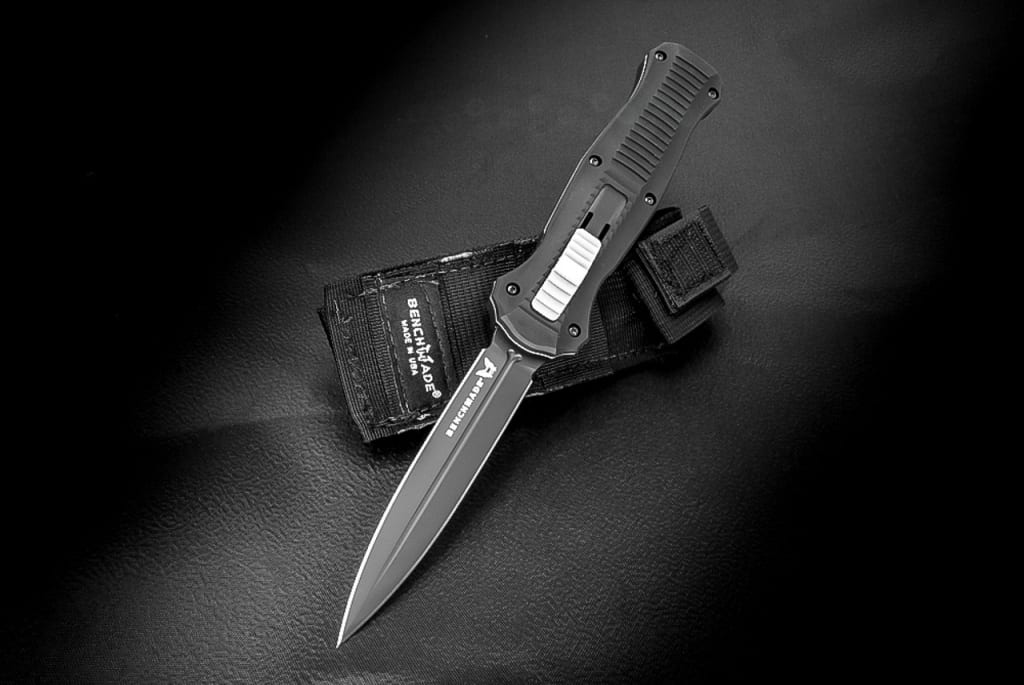
Sharpening a knife is an essential skill that maximizes its effectiveness and guarantees that it works at its best for a variety of cutting jobs. Depending on the material of the blade and the required level of sharpness, the first step in the process is to choose the proper sharpening tool, such as a whetstone, sharpening rod, or diamond sharpener. Sustaining the proper angle and applying steady pressure are essential for efficient sharpening.
A 20-degree angle works best for most kitchen and utility knives, though other types of knives might need a different angle. Maintaining a constant angle between the blade and the stone while using a whetstone is crucial, as is making even strokes around the blade. To remove any dullness or damage, start with a coarse grit and work your way up to a finer grit to polish and hone the edge.
You can make sure you don't oversharpen the blade by testing its sharpness on paper or another cutting surface regularly. To keep the knife operating smoothly after sharpening, give it a thorough cleaning to get rid of any metal filings and lubricate the blade as needed. Appropriate sharpening is an essential part of knife maintenance because it increases the knife's longevity and improves safety and effectiveness when used.
Sharpening Tools for Your Automatic Knife:
Choosing the appropriate sharpening implements for your automatic knife is crucial to preserving its cutting edge and guaranteeing peak efficiency. Because of their complex designs and spring-loaded mechanisms, automatic knives need specific tools to get a clean, sharp edge without sacrificing the functionality of the blade.
Due to its ability to offer precise control over the sharpening angle and pressure—a critical feature for the distinctive bevels and edges of automatic knives—a high-quality whetstone or sharpening stone is frequently recommended. For both initial sharpening and final honing, use a stone that has two sides and grits: coarse and fine. A diamond sharpening rod is a more practical choice for individuals who want reliable and long-lasting results; it works especially well on tougher blade materials.
Because of their effectiveness and simplicity of use, electric sharpeners can also be used, but caution should be exercised when using them to prevent oversharpening or harming the knife's mechanism. Make sure the sharpening tool you select works with the particular type and angle of the blade on your automatic knife. The longevity and seamless operation of the knife are guaranteed by regular use of the proper sharpening tools, which also improves the knife's overall performance and dependability.
Step-by-Step Guide to Sharpening Your Automatic Knife:
A systematic approach is necessary to ensure that the blade of an automatic knife is sharpened to a precise, razor-sharp edge without endangering the mechanism of the knife. To avoid movement during the sharpening process, start by securing the knife in a stable position.
If you're using a sharpening stone, place it on a non-slip surface after soaking it per the manufacturer's instructions. Beginning with the side of the stone with the coarse grit, move the blade along the stone in a consistent motion while keeping the blade at the same angle. Continue covering the entire length of the blade with uniform pressure until the blade has a sharp edge. To sharpen the blade and smooth the edge, flip the stone over to the fine-grained side.
Gather Your Tools and Prepare Your Workspace
Make sure you have all the tools you'll need on hand, such as a clean cloth, an honing rod or diamond sharpener, and a sharpening stone (or whetstone). Arrange your workspace so that it is steady and well-lit. If you're using a whetstone, soak it in oil or water per the manufacturer's recommendations.
Make the Knife Clean
Make sure the blade is completely clean to get rid of any residue, dirt, or debris before sharpening. Take a soft cloth or brush and some warm, soapy water. To ensure proper sharpening and prevent rust, let the knife air dry completely.
Keep the Knife Secure
To keep the knife steady while it is being sharpened, place it on a stable, non-slip surface or use a knife holder. This keeps things under control and guarantees a precise and secure sharpening procedure.
Sharpen the Knife
To address dullness or damage, start with the coarse grit side of the whetstone. With the knife held at the suggested angle, which is typically 20 degrees, run the entire length of the blade along the stone with even, smooth strokes. Make sure the edge of the automatic knives is always parallel to the surface of the stone. To keep the blade's edge uniform, repeat these steps on both sides.
Use Fine Grit instead
To sharpen and polish the edge, move from the coarse grit side of the whetstone to the fine grit side. In this step, burrs from the coarse sharpening are removed and the edge is refined. Continue using light pressure and fluid strokes while keeping the same angle.
Use a Diamond Sharpener or Honing Rod
Use an honing rod or diamond sharpener to further sharpen the edge after using a whetstone. Maintain the same angle while holding the rod or sharpener, then carefully move the blade in a sweeping motion along it. This enhances the sharpness and aligns the edge of the blade.
Properly Store the Knife
After the knife has been lubricated and sharpened, store it somewhere cool and dry. To keep the blade sharp and prevent damage, use a protective sheath or case. Make sure the knife is kept safely to prevent mishaps or harm.
Regular Maintenence
Make sure the blade is sharp regularly and touch it up when necessary. Maintaining regular maintenance and sharpening will keep your automatic knife operating at its best for a longer period.
About the Creator
Mai Sophia
A Writer/blogger by day, a knife enthusiast and survivalist by night. I've reviewed a lot of products and have helped people make the right purchase
Keep reading
More stories from Mai Sophia and writers in Humans and other communities.
Where to Buy the Perfect Movie Prop Guns: A Comprehensive Guide!
Movie prop guns are vital equipment for the entertainment and film industries because they add authenticity and realism to action scenes without the risk of real firearms. To make them appear authentic on camera, these props are painstakingly made to resemble the weight, appearance, and occasionally even the operation of real guns.
By Mai Sophia2 years ago in Humans
Thief In The Night
To the thief in the night that took and replicated what once was mine: Honestly, I feel kind of bad for you. It’s funny, because we hardly know each other. I only know of you through the magazines you’ve written and the broadcasts you have televised in the past — as well as through the public mentions of you from your show business connections there.
By Snarky Lisa7 days ago in Humans
Co-Living Impacts Dating Dynamics Communication And Emotional Connection Significantly
Dating is greatly affected by co-living, in which couples or partners live together in one house. It brings about quick intimacy and interaction in real life and one gets a chance to learn about routines, habits, and preferences. Shared space brings intimacy as well as it reveals the possible difference of lifestyle including cleaning, schedules, and personal boundaries.
By Mark Hipster6 days ago in Humans



Comments (1)
Hey, just wanna let you know that this is more suitable to be posted in the Lifehack community 😊