
Marks & Spencer: A Comprehensive Portrait of a British Retail Icon

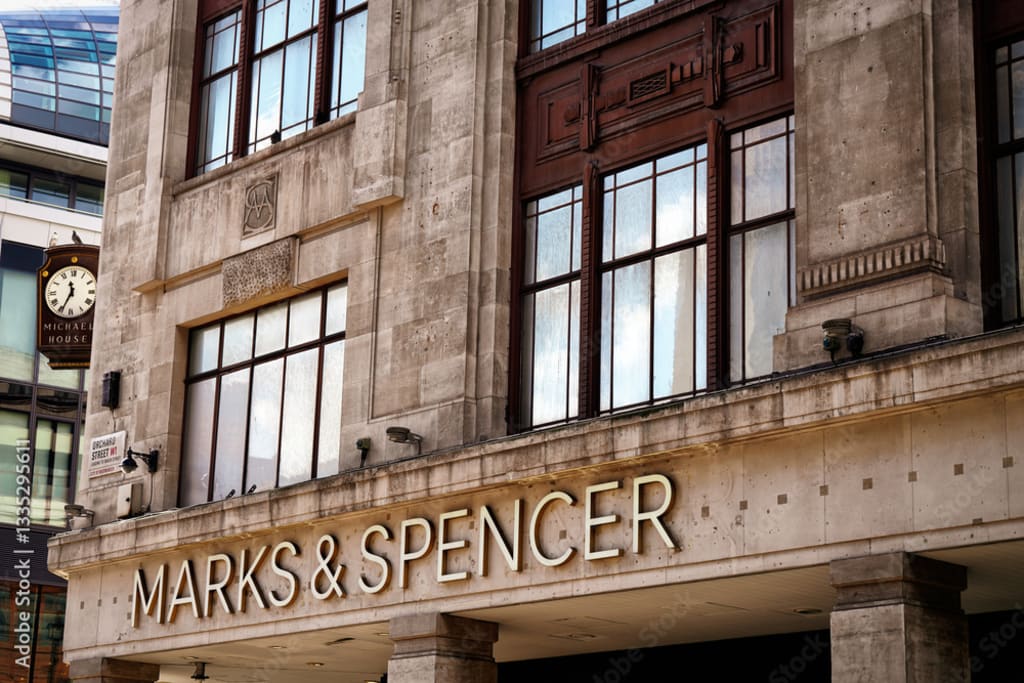
Marks & Spencer: A Comprehensive Portrait of a British Retail Icon
Marks & Spencer stands as one of the United Kingdom’s most recognisable and enduring retail institutions. Its name evokes a century‑long story of innovation, reinvention, and cultural presence. From its origins as a penny bazaar to its current position as a modern, omnichannel retailer with over a thousand UK stores and a growing international footprint, the company has continually adapted to shifting consumer expectations and economic landscapes. Today, Marks & Spencer (M&S) is in the midst of a significant transformation programme that is reshaping its business model, revitalising its brand, and restoring its financial performance.
This article explores the company’s history, evolution, strategic direction, financial performance, and cultural significance, weaving together the threads that make M&S not only a retailer but a symbol of British life.
Origins And Early Growth
Marks & Spencer began in 1884 when Michael Marks, a Polish refugee, opened a market stall in Leeds. His famous slogan, “Don’t ask the price, it’s a penny,” captured the spirit of accessibility and value that would define the company’s early decades. In 1894, Marks partnered with Thomas Spencer, a cashier with a keen eye for business operations. Together, they expanded the penny‑bazaar concept into a chain of stalls and small shops across northern England.
By the early twentieth century, M&S had evolved from a market‑stall enterprise into a national retailer. Its stores became known for fixed prices, reliable quality, and a growing range of household goods. The company’s emphasis on British manufacturing and its close relationships with suppliers set it apart from competitors. These early principles—value, quality, and trust—became the foundation of the M&S brand.
The Rise Of A National Institution
The mid‑twentieth century marked a golden era for M&S. The company pioneered innovations that would become standard practice in retail, including:
- St Michael, a private‑label brand introduced in the 1920s, which guaranteed consistent quality.
- Scientific quality testing, with in‑house laboratories ensuring product durability and safety.
- Supplier partnerships, which fostered long‑term collaboration and innovation in textiles and food production.
By the 1950s and 1960s, M&S stores were fixtures on British high streets. The company expanded its clothing lines, introduced ready‑made meals, and developed a reputation for dependable, middle‑class essentials. Its food halls, in particular, became synonymous with quality and convenience.
The company’s culture emphasised employee welfare, training, and internal promotion. M&S became known as a stable employer offering opportunities for advancement, and its stores were seen as orderly, well‑run, and customer‑focused.
Challenges And Reinvention In The Late Twentieth Century
The 1990s brought both triumph and turbulence. M&S reached the peak of its financial success in the mid‑1990s, becoming the first British retailer to report over £1 billion in annual profits. Yet this success masked underlying vulnerabilities. The company was slow to adapt to:
- The rise of fast fashion.
- Increasing competition from supermarkets in food retail.
- The emergence of online shopping.
- Shifting consumer tastes and expectations.
By the late 1990s and early 2000s, M&S faced declining sales, outdated store formats, and a perception that its clothing ranges were no longer aligned with contemporary style. Several turnaround attempts followed, each with varying degrees of success. Leadership changes, brand refreshes, and cost‑cutting measures helped stabilise the business, but the company struggled to regain the momentum of earlier decades.
The Modern Transformation: “Reshape For Growth”
In recent years, M&S has embarked on a comprehensive transformation strategy known as Reshape for Growth, aimed at modernising the business and restoring sustainable profitability. According to the company’s 2024 financial statements, both the Food and Clothing & Home divisions have delivered twelve consecutive quarters of sales growth, signalling that the strategy is gaining traction.
Key pillars of the transformation include:
- Store renewal, with a shift toward larger, modernised food halls and more efficient clothing and home layouts.
- Digital expansion, including a strengthened online platform and improved logistics.
- Cost restructuring, reducing operational inefficiencies and improving margins.
- Brand relevance, with updated clothing ranges, stronger design direction, and a renewed focus on quality and value.
- Food innovation, maintaining leadership in premium convenience foods while expanding everyday essentials.
The company’s leadership has emphasised that M&S must become “more relevant, to more people, more of the time,” a vision reflected in its product development, marketing, and customer experience initiatives.
Business Divisions: Food, Clothing & Home, And International
Food
M&S Food has long been one of the company’s strongest assets. Known for high‑quality prepared meals, fresh produce, and innovative seasonal offerings, the division has consistently outperformed many competitors. In the 2024 financial year, food sales grew 12.4%, with like‑for‑like sales up 11.3%. This growth was supported by volume increases, improved sourcing, and structural cost reductions. Adjusted operating profit rose to £375.9 million, with a margin of 4.7%.
The company has expanded its value‑oriented ranges to attract a broader customer base while maintaining its reputation for quality. Partnerships, such as the Ocado Retail joint venture, have strengthened its online grocery presence.
Clothing & Home
Once the company’s flagship division, Clothing & Home has undergone significant revitalisation. After years of inconsistent performance, the division has returned to growth, with sales up 5.3% and like‑for‑like sales up 5.2% in 2024. Improved gross margins, stronger full‑price sales, and cost efficiencies contributed to an adjusted operating profit of £402.8 million, representing a margin of 10.3%.
The company has focused on:
- Streamlined product ranges.
- Better fashion relevance.
- Enhanced online presentation.
- Improved supply chain responsiveness.
These changes have helped M&S reconnect with customers seeking stylish, reliable, and well‑priced clothing.
International
M&S maintains a selective international presence through wholly owned stores, joint ventures, and franchises. The company operates in Ireland, the Czech Republic, parts of Europe, India, and regions across Asia and the Middle East. In 2024, international sales (excluding Ireland) declined slightly by 1.0% at constant currency, with adjusted operating profit falling to £47.7 million. Sales in the Republic of Ireland grew by 2.4%.
The company continues to refine its international strategy, focusing on markets where the brand has strong resonance and sustainable growth potential.
Financial Performance And Market Position
Marks & Spencer’s financial performance has strengthened significantly as its transformation plan takes hold. The company reported £13.9 billion in group revenue and £875.5 million in profit before tax and adjusting items for the 2024/25 period.
These results reflect:
- Strong trading momentum.
- Improved cost discipline.
- Better alignment between product ranges and customer expectations.
- A more efficient store estate.
The company’s share price has also shown resilience, with a one‑year change of +13.94% as of February 2026.
While challenges remain—particularly in international markets and in maintaining fashion relevance—the company’s financial trajectory suggests renewed investor confidence.
Digital Transformation And Omnichannel Strategy
The shift toward digital retail has reshaped the entire industry, and M&S has invested heavily in technology, logistics, and online customer experience. Key elements of its digital strategy include:
- Enhanced e‑commerce platform, offering improved navigation, product imagery, and personalised recommendations.
- Integration with Ocado, enabling customers to purchase M&S food products through a leading online grocery service.
- Data‑driven decision‑making, using analytics to optimise inventory, pricing, and customer engagement.
- Modernised supply chain, with automated distribution centres and more efficient stock management.
These investments have helped M&S compete more effectively with both traditional retailers and online‑only brands.
Sustainability And Ethical Commitments
M&S has long been associated with ethical sourcing and environmental responsibility. Its sustainability programme, historically known as Plan A, set ambitious goals for reducing waste, improving energy efficiency, and supporting fair labour practices.
Recent ESG (Environmental, Social, and Governance) reports continue this focus, outlining commitments to:
- Reduce carbon emissions across operations.
- Increase the use of sustainable materials in clothing.
- Minimise food waste.
- Support community initiatives and charitable partnerships.
The company’s 2024 ESG report reinforces its dedication to responsible business practices and transparent reporting.
Cultural Significance And Brand Identity
Marks & Spencer occupies a unique place in British culture. Its products, advertising campaigns, and seasonal traditions have become woven into the fabric of everyday life. From the iconic “This is not just food…” adverts to the beloved Christmas ranges, M&S has cultivated a brand identity that blends quality, comfort, and a touch of indulgence.
The company’s clothing lines—particularly lingerie, school uniforms, and classic wardrobe staples—have shaped generations of British consumers. Its food halls are destinations for festive shopping, weekend treats, and special occasions.
Even during periods of financial difficulty, public affection for the brand has remained strong. M&S is not merely a retailer; it is a cultural touchstone.
Leadership And Organisational Culture
Leadership has played a pivotal role in the company’s recent resurgence. The executive team has emphasised agility, accountability, and customer‑centricity. The transformation programme has required difficult decisions, including store closures and restructuring, but it has also fostered innovation and renewed purpose.
M&S employs over 64,000 people across its UK operations, reflecting its role as a major national employer. The company continues to invest in training, diversity initiatives, and workplace wellbeing.
The Future Of Marks & Spencer
As M&S looks ahead, several strategic priorities will shape its trajectory:
- Continued modernisation of the store estate, with a focus on high‑performing locations and improved layouts.
- Expansion of value‑oriented ranges, ensuring competitiveness in a cost‑conscious market.
- Strengthening of digital capabilities, particularly in logistics and customer experience.
- Sustainable growth in international markets through selective partnerships.
- Ongoing commitment to ESG goals, aligning with consumer expectations and regulatory requirements.
The company’s recent performance suggests that its transformation is gaining momentum. With twelve consecutive quarters of sales growth in both major divisions and strong financial results, M&S appears to be entering a new era of stability and relevance.
Conclusion
Marks & Spencer’s story is one of resilience, reinvention, and enduring cultural presence. From its humble beginnings as a penny bazaar to its current status as a modern, digitally enabled retailer, the company has continually adapted to the needs of its customers and the demands of the marketplace. Its recent transformation efforts have revitalised its core divisions, strengthened its financial performance, and positioned it for sustainable growth.
The company’s blend of heritage and innovation, quality and value, tradition and modernity continues to resonate with millions of customers. As M&S moves forward, it carries with it the legacy of a brand that has shaped British retail for over a century—and the promise of a future defined by relevance, responsibility, and renewed confidence.
About the Creator
Julie O'Hara - Author, Poet and Spiritual Warrior
Thank you for reading my work. Feel free to contact me with your thoughts or if you want to chat. [email protected]
Keep reading
More stories from Julie O'Hara - Author, Poet and Spiritual Warrior and writers in Humans and other communities.
Democracy And The Rise Of The Best Liars: Plato’s Warning For Every Age
Democracy And The Rise Of The Best Liars: Plato’s Warning For Every Age Plato lived more than two thousand years ago, yet his voice still reaches into the present with unsettling clarity. He watched his own city, Athens, fall into chaos because of leaders who promised everything, blamed everyone else, and spoke with confidence that hid their lack of wisdom. He believed democracy, for all its hopeful language about freedom and equality, carried a dangerous flaw. It did not lift the wisest people into leadership. It lifted the most persuasive. It rewarded those who could charm a crowd, stir emotions, and hide their ignorance behind smooth words. In Plato’s view, democracy did not elect the best leaders. It elected the best liars.
By Julie O'Hara - Author, Poet and Spiritual Warriora day ago in Humans
Using Emotional Intelligence To Handle Conflicts And Misunderstandings
Emotional intelligence is the skill to identify, perceive and control your own emotions as well as the emotions of other people. Emotional intelligence can be used in a conflict or misunderstanding situation to make people react in a calm or well-thought manner instead of reacting on the impulse. Emotionally intelligent people do not allow themselves to be manipulated by anger, frustration, or defensiveness and instead take a moment to evaluate the situation. This awareness will minimise a situation of escalating tension. Through the realization of emotional stimuli and responses, individuals can meet conflict situations with a cool mind and leave some room to discuss the issue and understand each other rather than waste time having to confront each other or creating a barrier between them.
By Robert Smith5 days ago in Humans
A Knight of the Seven Kingdoms Series Review (Season 1)
As one of the biggest properties in fantasy, A Song of Ice and Fire remains immensely popular with audiences. After reaching far into the past with House of the Dragon, a second spin-off was on the cards. A Knight of the Seven Kingdoms serves up a bite-sized slice of action and drama, but it still claims a spot among the best small-screen titles.
By Robert Caina day ago in Geeks



Comments
There are no comments for this story
Be the first to respond and start the conversation.