
MAN AND WARS
INDEPENDENCE AND WORLD PEACE World peace and independence are intrinsically linked, as the pursuit of independence often arises from the desire for peace and freedom from oppression. In this thousand-word exploration, we will delve into the concept of world peace in relation to the quest for independence, examining the role of diplomacy, international cooperation, and the promotion of human rights. The fundamental aspiration of world peace is to create a global environment free from violence, conflict, and oppression. It is a vision that transcends borders, cultures, and ideologies, seeking to foster understanding, cooperation, and mutual respect among nations. Independence, on the other hand, represents the sovereignty and self-determination of peoples and nations, where they have the freedom to govern themselves and shape their own destinies. The struggle for independence has often been marred by violence and armed conflict. However, the ultimate goal for many nations and movements fighting for independence is not to perpetuate violence, but to establish a just and peaceful society. They seek to break free from oppressive regimes or foreign domination to create a nation that upholds the values of freedom, democracy, and human rights. One of the key mechanisms through which world peace can be achieved in relation to independence is diplomacy. Diplomatic efforts play a crucial role in resolving conflicts and facilitating peaceful transitions to independence. Dialogue, negotiation, and mediation can provide a platform for opposing parties to find common ground and reach mutually acceptable solutions. Diplomatic initiatives can also help prevent conflicts from escalating and provide an avenue for peaceful resolution of disputes. International cooperation and collaboration are vital in promoting world peace in the context of independence. When nations come together, transcending their individual interests, they can work towards common goals such as the promotion of democracy, human rights, and the rule of law. International organizations, such as the United Nations, provide a platform for countries to engage in dialogue, foster understanding, and work collectively to address global challenges. The establishment of international norms and treaties plays a significant role in promoting world peace in relation to independence. International law provides a framework for resolving disputes, protecting human rights, and upholding the principles of justice and equality. Treaties and agreements, such as the Universal Declaration of Human Rights, the Geneva Conventions, and the International Covenant on Civil and Political Rights, establish standards that nations can adhere to in their pursuit of independence while maintaining peace and respect for human rights. Promoting and protecting human rights is essential in achieving world peace in relation to independence. Oppressive regimes often suppress individual freedoms, leading to resentment and unrest among marginalized populations. The recognition and safeguarding of human rights, including the right to self-determination, freedom of expression, and equal treatment under the law, are crucial in ensuring that the pursuit of independence is grounded in principles of justice, inclusivity, and respect for diversity. Education and cultural exchange play a significant role in fostering world peace in relation to independence. By promoting understanding and tolerance, education can help overcome prejudices and stereotypes that often fuel conflicts. Cultural exchange programs allow people from different nations and backgrounds to connect on a personal level, fostering empathy, mutual respect, and a shared sense of humanity. Building sustainable and inclusive societies is essential for achieving world peace in the context of independence. Socioeconomic development, equitable distribution of resources, and inclusive governance systems can address the root causes of conflicts and create conditions conducive to peace. By addressing issues such as poverty, inequality, and social injustice, nations can foster an environment where the pursuit of independence is not driven by grievances and divisions but by shared aspirations for a better future. In conclusion, world peace and independence are intertwined concepts that require a multifaceted approach to achieve. Diplomacy, international cooperation, the promotion of human rights, education, and sustainable development are all crucial components of a comprehensive strategy for fostering peace in the context of independence. By embracing these principles and working collectively, nations can create a world where the pursuit of independence is realized in an atmosphere of peace, justice, and harmony.
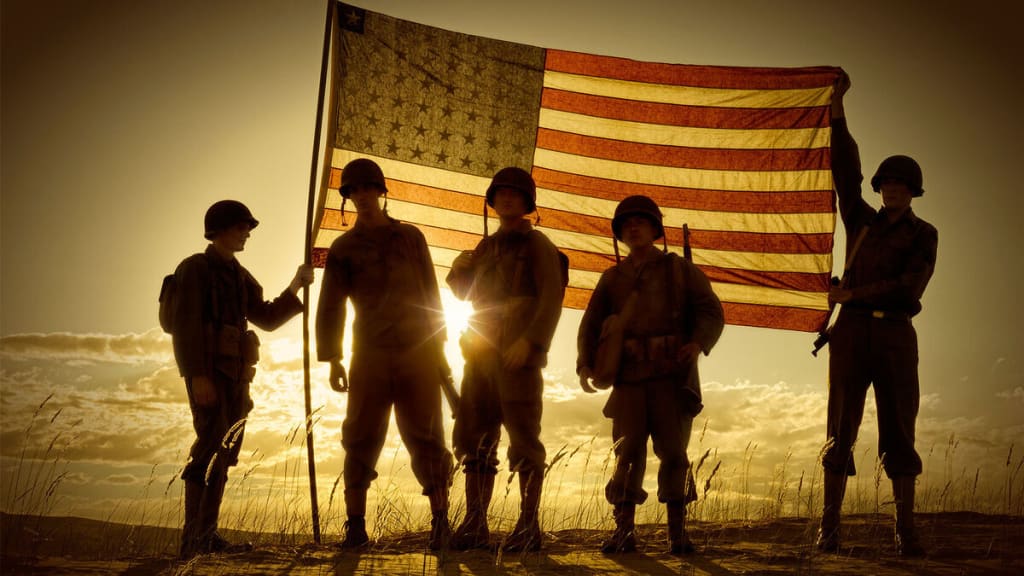
Wars and independence are two intertwined concepts that have shaped the course of human history for centuries. These million words will explore the profound impact of wars on the struggle for independence, highlighting key events, ideological movements, and the human cost of these conflicts.
War, in its essence, is a manifestation of human conflict and the struggle for power, resources, and ideology. Throughout history, nations and peoples have engaged in wars to protect their sovereignty, expand their territories, or secure their independence from oppressive rulers. Wars have been fought on battlefields, seas, and skies, leaving indelible marks on the collective memory of nations.
The quest for independence has been a recurring theme throughout history. Oppressed peoples have yearned for freedom, dignity, and self-determination, and have been willing to wage wars to achieve these goals. The struggle for independence has often been driven by deep-rooted grievances, economic disparities, political oppression, or cultural and religious differences.
One of the most significant examples of the link between wars and independence is the American Revolutionary War, fought between 1775 and 1783. The American colonies, under British rule, sought independence from the oppressive policies of the British Crown. This war marked a turning point in history, as it led to the birth of the United States of America, establishing the principles of democracy, liberty, and individual rights.
The French Revolution, which began in 1789, is another pivotal moment in the struggle for independence. The revolutionaries sought to overthrow the monarchy and establish a republic based on the principles of liberty, equality, and fraternity. The ensuing wars, both within France and against external powers, such as Britain and other European monarchies, were fought to defend the revolutionary ideals and expand the boundaries of the French Republic. These wars had a profound impact on Europe, redrawing borders and challenging the old order.
The 19th century witnessed a surge in nationalist movements and wars of independence across the globe. Latin American countries fought wars against Spanish colonial rule, leading to the emergence of independent nations in the early 19th century. Greece fought a successful war against the Ottoman Empire, gaining independence and becoming the first country in the Balkans to break free from Ottoman dominance.
The struggle for independence continued well into the 20th century. India's long and arduous fight for independence from British rule, led by Mahatma Gandhi and other prominent leaders, is a testament to the power of nonviolent resistance. The Indian independence movement inspired similar struggles in other British colonies, ultimately leading to the dismantling of the British Empire.
Wars of independence also played a significant role in the decolonization process that swept across Africa and Asia in the mid-20th century. Countries like Algeria, Vietnam, and Kenya fought bitter wars against colonial powers to secure their independence and assert their national identities. These wars were often brutal and protracted, inflicting immense suffering on civilian populations.
The struggle for independence is not limited to the past; it continues to this day. The Middle East, for instance, has been a hotbed of conflicts and wars as various ethnic, religious, and political groups fight for self-determination and independence. The Israeli-Palestinian conflict, with its deep historical and religious roots, remains one of the most complex and intractable struggles for independence.
Wars fought for independence, however noble their goals, often come at a high cost. The human toll of these conflicts is immeasurable, with lives lost, families torn apart, and societies shattered. The physical and emotional scars of war persist long after the guns fall silent. The devastation and destruction caused by wars can set back the progress of nations, impede economic development, and leave deep societal divisions in their wake.
Wars and the struggle for independence are complex phenomena, shaped by a myriad of factors, including political, economic, and social dynamics. The causes and consequences of these conflicts are intertwined, creating a tapestry of human experiences that define our collective history.
In conclusion, wars and the fight for independence have left an indelible mark on human civilization. They have shaped the boundaries of nations, transformed political systems, and defined the destiny of peoples. While wars are often driven by the darkest aspects of human nature, the quest for independence is rooted in the noblest aspirations for freedom, justice, and self-determination. As we reflect on the past and strive for a better future, we must learn from the lessons of history and seek peaceful resolutions to conflicts, nurturing the values of independence and liberty for all.
World peace and independence are intrinsically linked, as the pursuit of independence often arises from the desire for peace and freedom from oppression. In this thousand-word exploration, we will delve into the concept of world peace in relation to the quest for independence, examining the role of diplomacy, international cooperation, and the promotion of human rights.
The fundamental aspiration of world peace is to create a global environment free from violence, conflict, and oppression. It is a vision that transcends borders, cultures, and ideologies, seeking to foster understanding, cooperation, and mutual respect among nations. Independence, on the other hand, represents the sovereignty and self-determination of peoples and nations, where they have the freedom to govern themselves and shape their own destinies.
The struggle for independence has often been marred by violence and armed conflict. However, the ultimate goal for many nations and movements fighting for independence is not to perpetuate violence, but to establish a just and peaceful society. They seek to break free from oppressive regimes or foreign domination to create a nation that upholds the values of freedom, democracy, and human rights.
One of the key mechanisms through which world peace can be achieved in relation to independence is diplomacy. Diplomatic efforts play a crucial role in resolving conflicts and facilitating peaceful transitions to independence. Dialogue, negotiation, and mediation can provide a platform for opposing parties to find common ground and reach mutually acceptable solutions. Diplomatic initiatives can also help prevent conflicts from escalating and provide an avenue for peaceful resolution of disputes.
International cooperation and collaboration are vital in promoting world peace in the context of independence. When nations come together, transcending their individual interests, they can work towards common goals such as the promotion of democracy, human rights, and the rule of law. International organizations, such as the United Nations, provide a platform for countries to engage in dialogue, foster understanding, and work collectively to address global challenges.
The establishment of international norms and treaties plays a significant role in promoting world peace in relation to independence. International law provides a framework for resolving disputes, protecting human rights, and upholding the principles of justice and equality. Treaties and agreements, such as the Universal Declaration of Human Rights, the Geneva Conventions, and the International Covenant on Civil and Political Rights, establish standards that nations can adhere to in their pursuit of independence while maintaining peace and respect for human rights.
Promoting and protecting human rights is essential in achieving world peace in relation to independence. Oppressive regimes often suppress individual freedoms, leading to resentment and unrest among marginalized populations. The recognition and safeguarding of human rights, including the right to self-determination, freedom of expression, and equal treatment under the law, are crucial in ensuring that the pursuit of independence is grounded in principles of justice, inclusivity, and respect for diversity.
Education and cultural exchange play a significant role in fostering world peace in relation to independence. By promoting understanding and tolerance, education can help overcome prejudices and stereotypes that often fuel conflicts. Cultural exchange programs allow people from different nations and backgrounds to connect on a personal level, fostering empathy, mutual respect, and a shared sense of humanity.
Building sustainable and inclusive societies is essential for achieving world peace in the context of independence. Socioeconomic development, equitable distribution of resources, and inclusive governance systems can address the root causes of conflicts and create conditions conducive to peace. By addressing issues such as poverty, inequality, and social injustice, nations can foster an environment where the pursuit of independence is not driven by grievances and divisions but by shared aspirations for a better future.
In conclusion, world peace and independence are intertwined concepts that require a multifaceted approach to achieve. Diplomacy, international cooperation, the promotion of human rights, education, and sustainable development are all crucial components of a comprehensive strategy for fostering peace in the context of independence. By embracing these principles and working collectively, nations can create a world where the pursuit of independence is realized in an atmosphere of peace, justice, and harmony.
About the Creator
Keep reading
More stories from Anthony Daniels and writers in Humans and other communities.
THE CREATION
In the vast expanse of eternity, there was nothing but an indescribable void, a primordial silence where time had no meaning. Within this infinite emptiness, there existed a powerful and boundless energy, a force beyond comprehension. It pulsated with latent potential, waiting for the moment of genesis.
By Anthony Daniels3 years ago in Education
Cabin Fever Because of Snow, Sleet, and Freezing Rain That Turned to Icy Roads
What Is Cabin Fever? The short answer is that cabin fever is restlessness from being in a confined area. Cabin fever is the distressing irritability or restlessness experienced when a person or group is stuck at an isolated location or in confined quarters for an extended time. Research shows that prolonged cold, gray skies, and being stuck indoors can trigger mood shifts similar to “winter blues.”
By Margaret Minnicks3 days ago in Humans



Comments (1)
Good write up