
Makoko: The “Venice of Africa” That Demands Respect
The Struggles and Triumphs of Life in Makoko

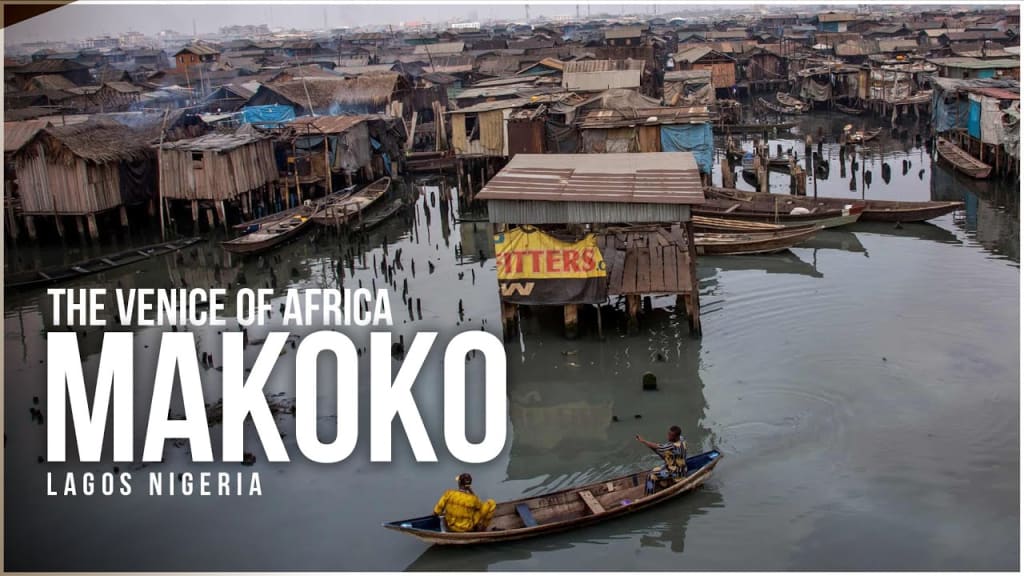
Makoko, often called Nigeria’s "floating village," is a vibrant, culturally rich community in Lagos, yet it has become a subject of global controversy. While it is a testament to resilience and ingenuity, the village is frequently reduced to a spectacle for vloggers and bloggers. Here’s why this trend needs to stop and why a more empathetic approach is crucial.
1. Makoko Is a Thriving Ecosystem, Real Stories, Not Exploitation
Makoko is often portrayed through the lens of poverty, with its stilted homes and waterways used as a backdrop for "authentic travel" content. However, this oversimplifies its identity. The community is a fully functioning ecosystem with schools, hospitals, and thriving trades such as fishing and smoked fish production. These aspects are rarely highlighted, reducing its complexity to a stereotype.
2. The People of Makoko Deserve Dignity, Not Exploitation
Many vloggers film Makoko residents without their consent, treating their daily lives as a form of entertainment. This voyeuristic behavior ignores the dignity of the people who live there, turning their struggles into "content" rather than respecting their humanity.
3. Makoko Is a Blend of Cultures Worth Celebrating
Makoko’s residents represent a rich tapestry of cultures, including the Eegun, Ilaje, and Awori people. Their languages, traditions, and resilience paint a beautiful story of coexistence. Bloggers often fail to capture this cultural richness, opting instead for sensationalism.
4. Residents Face Privacy Invasion
Many residents feel intruded upon by tourists and content creators who enter their space with cameras. A YouTube Short of a Makoko woman hiding her face from a camera exemplifies how exploitative and disrespectful this behavior can be.
5. Makoko Is Not a Tourist Attraction
The floating village is a home, not an amusement park. Renting canoes to film people in their homes is invasive and unwarranted. Nigeria has many legitimate tourist destinations—beaches, historic sites, and museums—that are better suited for visitors seeking authentic experiences.
6. The Community Is Already Facing Threats of Eviction
Makoko residents have long struggled against government eviction efforts. In 2012, an eviction order led to violence, with homes destroyed and a community leader tragically killed. These ongoing threats compound the challenges faced by residents, making it even more critical to approach the community with empathy and not exploitation.
7. Makoko’s Economic Contributions Are Overlooked
Makoko plays a vital role in Lagos’s economy. Residents are involved in fishing, fish smoking, and sand dredging, among other trades. These activities sustain livelihoods and contribute to the local food supply, yet they are often ignored in favor of highlighting poverty.
8. Insensitive Content Can Perpetuate Harmful Stereotypes
Videos and blogs focusing on Makoko’s hardships often reinforce negative stereotypes about Nigeria and Africa as a whole. This "poverty porn" narrative undermines the progress and vibrancy of the community while feeding a global appetite for sensationalism.
9. Makoko’s Stories Deserve Empathy, Not Exploitation
The question isn’t whether Makoko should be documented, but how. Are these stories being told with compassion and respect for the community, or are they exploiting its struggles for views and clicks? Content creators must consider the impact of their work on the people they depict.
10. Makoko Residents Deserve Control Over Their Narrative
Makoko’s story should be told by its people. Community leaders like Augustine Omogbemi, who work tirelessly to improve living conditions and advocate for residents, embody the spirit of the village. Supporting local voices and initiatives is a better way to contribute meaningfully.
Final Thoughts: Respect Makoko’s Resilience
Makoko is more than its challenges—it’s a community rich in culture, history, and innovation. For vloggers and bloggers, the real question is not whether to document Makoko, but how to do so responsibly. If your intentions are not genuine or beneficial to the community, it’s better to focus your lens elsewhere.
Makoko deserves respect, not exploitation. Let’s change the narrative and celebrate this unique community for its strength and contributions.
About the Creator
Vincent Otiri
I'm a passionate writer who crafts engaging and insightful content across various topics. Discover more of my articles and insights on Vocal.Media.
Keep reading
More stories from Vincent Otiri and writers in Humans and other communities.
Everybody Loves Jenifa is a Must-Watch Nollywood Blockbuster
Everybody Loves Jenifa, the highly anticipated sequel from Nollywood icon Funke Akindele, has taken theaters by storm. Following its remarkable box office debut, the movie continues to captivate audiences with its humor, drama, and heartwarming nostalgia. This review explores what makes Everybody Loves Jenifa a standout film while keeping SEO optimization in mind.
By Vincent Otiri12 months ago in Humans




Comments
There are no comments for this story
Be the first to respond and start the conversation.