
Lupus Treatment: What Works and What to Expect
Mastering Lupus Treatment: Effective Solutions and Insights
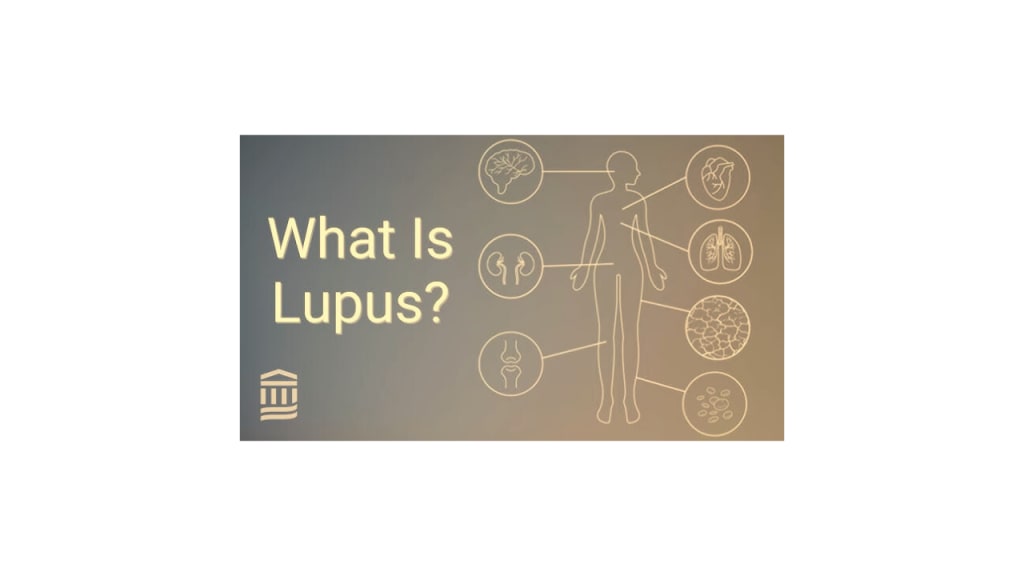
Lupus, a chronic autoimmune disease, affects millions worldwide. It occurs when the immune system attacks healthy tissues, leading to inflammation and damage in various body parts, including the skin, joints, kidneys, and heart. Understanding effective lupus treatment options is crucial for managing symptoms and improving quality of life. This guide explores proven treatments, what to expect during management, and essential tips for living with lupus.
Understanding Lupus and Its Impact
What is Lupus?
Lupus is an autoimmune condition where the immune system mistakenly attacks the body’s tissues. The most common type is systemic lupus erythematosus (SLE), but other types include discoid lupus, drug-induced lupus, and neonatal lupus.
Symptoms of Lupus
Common symptoms include:
• Fatigue
• Joint pain and swelling
• Skin rashes, including a butterfly-shaped rash on the face
• Sensitivity to sunlight
• Fever
• Hair loss
• Kidney problems
Lupus symptoms vary widely and can range from mild to severe. Early diagnosis and effective lupus treatment are essential for preventing complications.
Proven Lupus Treatment Options
1. Medications
Medications form the cornerstone of lupus treatment, targeting inflammation and preventing organ damage. Commonly used medications include:
a. Nonsteroidal Anti-Inflammatory Drugs (NSAIDs)
• Used to reduce pain, swelling, and stiffness in joints.
• Examples: Ibuprofen, naproxen.
b. Antimalarial Drugs
• Medications like hydroxychloroquine are highly effective in managing skin rashes, joint pain, and fatigue.
• They also help prevent lupus flares.
c. Corticosteroids
• Powerful anti-inflammatory drugs used during severe lupus flares.
• Prolonged use is minimized to reduce side effects like weight gain and osteoporosis.
d. Immunosuppressants
• These drugs suppress the immune system to prevent further damage to healthy tissues.
• Examples: Azathioprine, methotrexate.
e. Biologics
• Advanced treatments like belimumab target specific immune cells involved in lupus activity.
• Effective for patients with moderate to severe lupus.
2. Lifestyle Changes
Incorporating healthy habits plays a vital role in managing lupus symptoms:
• Balanced Diet: Focus on anti-inflammatory foods like fruits, vegetables, and omega-3-rich fish.
• Regular Exercise: Helps maintain joint flexibility and reduces fatigue.
• Adequate Rest: Balance activity and rest to prevent overexertion.
• Stress Management: Practice relaxation techniques like yoga and meditation.
3. Sun Protection
Sun exposure can trigger lupus flares and skin rashes. Protect yourself by:
• Wearing sunscreen with SPF 50 or higher.
• Using protective clothing, hats, and sunglasses.
• Avoiding direct sunlight during peak hours.
4. Regular Monitoring
Frequent check-ups with your healthcare provider ensure timely adjustments to your treatment plan. Blood tests, urine tests, and imaging may be required to monitor organ health.
What to Expect During Lupus Treatment
Initial Diagnosis
Once diagnosed, your doctor will recommend a personalized treatment plan based on your symptoms and disease activity. You may start with medications to control inflammation and prevent flares.
Managing Flares
Lupus flares are periods of increased disease activity. During a flare, you may experience worsening symptoms. Prompt adjustment of medications and lifestyle changes can help control flares.
Long-Term Management
Lupus is a lifelong condition, but effective treatment can reduce complications. Regular follow-ups, adherence to medications, and healthy habits are essential for long-term management.
Tips for Living with Lupus
Build a Support System
Connect with support groups, family, and friends who understand your journey. Sharing experiences can provide emotional strength and practical advice.
Stay Educated
Learn about lupus and its treatment options. Awareness empowers you to make informed decisions about your health.
Communicate with Your Doctor
Keep your doctor informed about new symptoms or side effects from medications. Open communication ensures timely adjustments to your treatment.
Frequently Asked Questions (FAQs)
1. What is the primary goal of lupus treatment?
The main goal of lupus treatment is to manage symptoms, prevent flares, and protect organs from damage. Treatment focuses on reducing inflammation and suppressing the overactive immune system.
2. Can lupus be cured?
Currently, there is no cure for lupus. However, effective treatments can help manage the condition, allowing most patients to lead a relatively normal life.
3. Are there natural remedies for lupus?
While natural remedies like a healthy diet, exercise, and stress management can complement medical treatments, they cannot replace medications prescribed by your doctor.
4. How long does lupus treatment last?
Lupus treatment is lifelong. The intensity of treatment may vary based on disease activity, but regular monitoring and adherence to treatment are essential.
5. Can lifestyle changes alone manage lupus?
Lifestyle changes play an important role in managing lupus symptoms. However, medications are usually necessary to control inflammation and prevent organ damage.
Conclusion
Effective lupus treatment involves a combination of medications, lifestyle changes, and ongoing monitoring. By following a personalized treatment plan and staying proactive about your health, you can reduce symptoms, prevent complications, and improve your quality of life. If you or someone you know is dealing with lupus, consult a specialist to develop a tailored approach for managing the condition. Remember, with the right care and support, living well with lupus is possible.
About the Creator
Keep reading
More stories from writers in Humans and other communities.
Time to change your life.
Is it even possible for you to change your life? A lot of people, more than there should be, are unhappy with their lives. But what are they doing about it? Usually nothing. People talk about how shitty their lives are and want change, but are they not taking the actions to change?
By Jen Phillips5 days ago in Humans
Top 10 Totally Free Online Dating Sites and Apps Without Payment for 2026
Finding love or a new connection shouldn’t feel like a monthly utility bill, which is why the search for totally free online dating sites and apps without payment has become the primary mission for singles in 2026. The modern digital landscape has shifted away from the "pay-to-play" models of the past, as savvy users demand platforms that offer full communication and matching features without hidden costs or premium gates. This transition has been fueled by a collective desire for transparency and a rejection of the "subscription fatigue" that once dominated the social technology sector. Today, the most effective tools for building romantic relationships are those that focus on human connection rather than revenue per user, allowing people to express their personalities without the pressure of a ticking clock on a trial membership.
By Olivia Smith2 days ago in Humans
Trouble at the Tea Leafing Café
The rain had started right around the time that Annie was buttering her second thick slice of homemade toast for breakfast, and hadn’t paused since. Not that anyone could tell. The windows of the café were fogged over, and with every seat filled with happy customers munching on fresh baked pastries or steaming bowls of the delicious soup of the day, it was hardly surprising. Annie looked around the room, finally taking a moment to breathe after the lunch time rush. Her old life already felt like a bad memory, a part of her history, always, but just that. History.
By Hannah Moore6 days ago in Fiction




Comments
There are no comments for this story
Be the first to respond and start the conversation.