
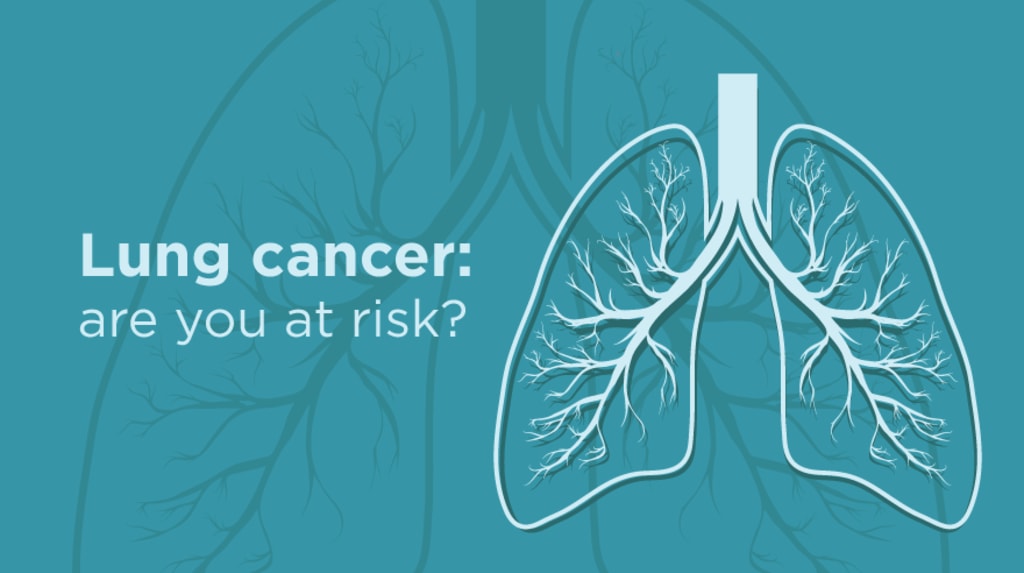
Lung cancer is a type of cancer that develops in the lungs. It is the leading cause of cancer-related deaths worldwide, accounting for more deaths than breast, colon, and prostate cancers combined. In this article, we will discuss the different types of lung cancer, their causes, symptoms, diagnosis, treatment, and prevention.
Types of Lung Cancer:
There are two main types of lung cancer: non-small cell lung cancer (NSCLC) and small cell lung cancer (SCLC).
Non-Small Cell Lung Cancer (NSCLC): This type of lung cancer is the most common, accounting for about 85% of all cases. NSCLC is further classified into three subtypes:
a. Adenocarcinoma: This type of cancer starts in the glandular cells that produce mucus in the lungs. It is more common in non-smokers and women.
b. Squamous cell carcinoma: This cancer starts in the thin, flat cells that line the bronchial tubes in the lungs. It is more common in men and smokers.
c. Large cell carcinoma: This type of cancer can develop in any part of the lung and is less common than adenocarcinoma and squamous cell carcinoma.
Small Cell Lung Cancer (SCLC): This type of lung cancer accounts for about 15% of all cases. It is a fast-growing cancer that often spreads to other parts of the body. SCLC is typically associated with heavy smoking.
Causes:
The main cause of lung cancer is smoking, either directly or indirectly. Direct smoking involves inhaling tobacco smoke from cigarettes, cigars, or pipes. Indirect smoking involves inhaling tobacco smoke from someone else who is smoking. Other causes of lung cancer include exposure to radon gas, air pollution, and certain chemicals such as asbestos and diesel exhaust.
Symptoms:
The symptoms of lung cancer may vary depending on the type and stage of the cancer. Some common symptoms of lung cancer include:
Persistent cough
Chest pain
Shortness of breath
Hoarseness
Coughing up blood
Loss of appetite
Fatigue
Weight loss
Recurrent infections such as bronchitis or pneumonia.
Diagnosis:
Lung cancer is usually diagnosed through a combination of imaging tests and biopsy. Imaging tests such as X-rays, CT scans, and MRI scans can help to identify any abnormalities in the lungs. A biopsy involves removing a small piece of tissue from the lungs and examining it under a microscope to check for cancer cells.
Treatment:
The treatment of lung cancer depends on the type and stage of the cancer. Some common treatment options include:
Surgery: Surgery involves removing the cancerous tumor and some surrounding healthy tissue. It is usually the first treatment option for NSCLC that has not spread to other parts of the body.
Radiation therapy: Radiation therapy uses high-energy X-rays or other types of radiation to kill cancer cells. It can be used alone or in combination with surgery or chemotherapy.
Chemotherapy: Chemotherapy involves using drugs to kill cancer cells. It can be given orally or through an IV and is usually used in combination with other treatments.
Targeted therapy: Targeted therapy uses drugs that target specific proteins or genes that are involved in the growth and spread of cancer cells.
Prevention:
The best way to prevent lung cancer is to avoid smoking or exposure to tobacco smoke. If you are a smoker, quitting smoking is the most important step you can take to reduce your risk of lung cancer. Other steps that can help to reduce your risk of lung cancer include:
Avoiding exposure to radon gas
Reducing exposure to air pollution
Avoiding exposure to chemicals such as asbestos and diesel exhaust
About the Creator
How Emotional Intelligence Can Help Manage Anger And Resentment In Love
Anger and resentment are healthy emotions in any relationship but may work against a relationship when they are not addressed successfully. All these feelings are likely to be either as a result of unmet expectations, miscommunication or unresolved conflicts. Unchecked they may create mistrust, lack of intimacy and emotional security between partners. The identification of the role of these emotions will be the initial step towards managing them positively. Knowing the root causes, people will be able to approach conflict with rationality instead of acting on the spur of the moment, and instead of the potentially harmful experience, be able to turn it into a growth potential and a chance to get to know each other better.
By Willian James5 days ago in Humans
Bomb Scare
It was 2027, and the world never thought it would happen. A missle hit the United States, but it wasn't where they had anticipated. A little town in the northeast was hit by a missile strike, they didn't know why, and they didn't know exactly where it hit, but they did know it was a coastal community, somewhere between Maine and Delaware.
By Gregory Payton4 days ago in Fiction




Comments
There are no comments for this story
Be the first to respond and start the conversation.