
Love in the Digital Age
How Modern Relationships Are Rewritten by Technology

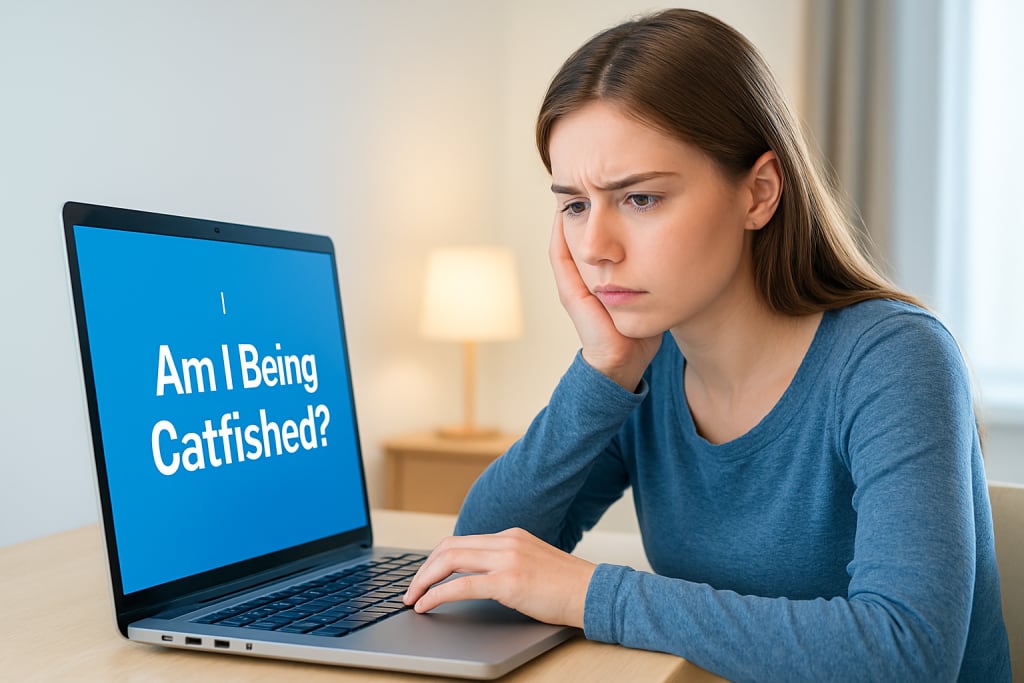
Emma sat at her laptop, staring at the blinking cursor on her screen. Outside, the world buzzed with life, but inside her apartment, there was only silence. It had been three months since she started chatting with Alex, a man she met on a dating app. Their conversations were more than casual flirts—they were thoughtful, intimate, and emotionally charged. He always knew the right things to say, making her feel seen, heard, and cherished.
In a world where loneliness was often masked by carefully curated online personas, Emma had found something real—or so she believed.
But something wasn’t right.
Every time Emma suggested meeting in person, Alex had a reason to delay. At first, his excuses were believable—long work hours, a sick relative, unexpected travel. But soon, they took a strange turn: poor internet connections, misplaced phones, sudden blackouts. Emma wanted to trust him, but unease crept in like a shadow. She began to wonder if the man behind the messages was the person she thought she knew.
One sleepless night, driven by a mix of fear and curiosity, Emma decided to investigate. She googled his name, searched social media platforms, and combed through years of digital footprints. Nothing. No photos, no profiles, no history. It was as if Alex didn’t exist.
Her heart pounded. Was Alex even real?
Feeling vulnerable and unsure, she turned to someone she could trust—Jake, an old college friend and a cybersecurity analyst. She told him everything. Jake listened carefully and offered to help. He used image recognition tools to run a reverse search on Alex’s profile picture.
The results made Emma’s blood run cold.
The man in the photo was real—but he wasn’t Alex. He was a teacher in another country, with a family and no clue that his image was being used to deceive others.
Emma sat motionless. Her mind replayed every message, every moment of connection, now painted with betrayal. Who had she really been talking to?
The next day, Emma confronted “Alex.” Her message was short but direct.
“I know this isn’t you. Who are you, really?”
The reply came quickly.
"Emma, I didn’t mean to lie. I just didn’t know how to tell you the truth."
She felt her stomach twist as she typed back.
“Who are you?”
A long pause followed. Then another message.
"My name is Daniel. I was afraid you wouldn’t talk to me if I told you the truth. I created a fake profile because I wanted to feel loved—even if it was just online. I never meant to hurt you."
Emma stared at the screen. Part of her wanted to scream. Part of her wanted to cry. She had trusted Daniel—shared her hopes, fears, even childhood memories. Their late-night talks had become a safe place. And now, that place had crumbled.
Over the following days, Emma was consumed by confusion. Could she forgive someone who deceived her, even if his reasons came from a place of pain and loneliness? Or should she walk away from it all?
She thought about the nature of modern love—how apps and algorithms made connection easier, but authenticity harder. In this new era of romance, digital intimacy often replaced physical presence, and profiles became masks we wore to hide our insecurities.
Emma realized something profound: what she mourned wasn’t just a person—it was the version of love she had believed in. The digital fairytale. The promise of perfect compatibility served up by a swipe.
In the end, Emma made her choice. She blocked Daniel, removed the app from her phone, and closed her laptop. But she didn’t do it out of bitterness—she did it to reclaim herself.
In the weeks that followed, Emma started journaling again. She took long walks, reconnected with friends, and enrolled in an evening photography class. She began to rediscover parts of herself she had lost in the emotional tangle of her online relationship.
Technology had changed love. It offered new ways to meet, new ways to connect, and new ways to get hurt. But it also taught Emma the value of truth, the importance of boundaries, and the strength of her own intuition.
And while some mysteries were better left unsolved, Emma knew she had solved the most important one—how to love and protect herself in a world where the heart now meets the screen before eyes
About the Creator
Seeing life through eyes we’re taught to ignore
When I first looked at this image, it didn’t seem remarkable. A father is in a small wooden boat, fishing. The water is calm. His children sit closely behind him, watching his every move. One of them says, with quiet confidence, “Dad is trying to get us food.”
By Lori A. A.7 days ago in Humans


Comments (1)
This dating app deception is wild. It's scary how easy it is for someone to create a fake identity. I've seen similar things in the digital world. You gotta be so careful. I wonder how many others have fallen for this. And kudos to Jake for using those tools to uncover the truth. How do you think Emma should move forward after this?