
Locked Eyes
How Phone Addicted People Disrespect Each Other in Human Relationships

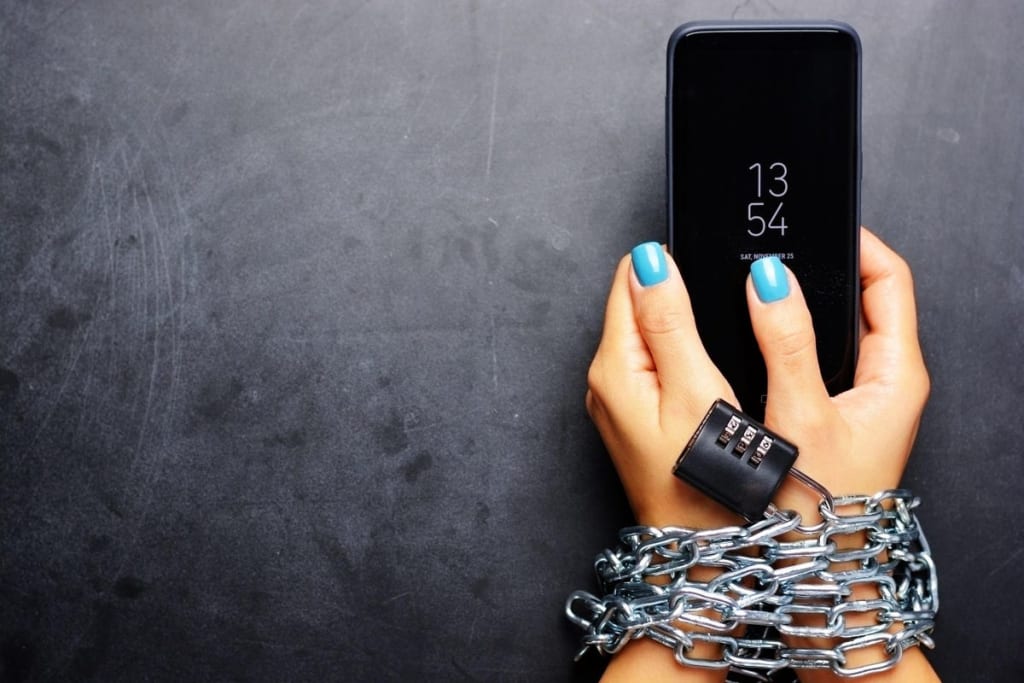
Smartphones have become a ubiquitous part of our daily lives. We use them for communication, entertainment, work, and even as a tool for personal growth. It's hard to imagine life without them, but we must consider the negative impacts that smartphones can have on our relationships with others.
One of the biggest problems caused by phone addiction is the lack of respect for others in human relationships. When we spend too much time on our phones, we often neglect the people around us. We may be physically present, but we are not mentally there, absorbed instead in our screens. This can cause the people around us to feel unimportant, disrespected, and undervalued.
Even during important conversations, we may be tempted to check our phones. But doing so sends the message that we don't care about what the other person is saying, and we're not fully engaged in the conversation. This can lead to frustration, anger, and ultimately, a breakdown in communication.
Phone addiction can also exacerbate disrespect in human relationships through social media use. Social media can be an addictive and all-consuming force in our lives, and the constant scrolling through feeds can have a negative impact on our self-esteem. We are bombarded with images of seemingly perfect lives, making us feel inadequate and less-than. This can lead to us treating others with disrespect, as we try to make ourselves feel better by belittling those around us.
Moreover, phone addiction can lead to a lack of empathy and understanding in human relationships. When we are constantly on our phones, we can forget how to read social cues and respond appropriately to others' emotions. This can lead to misunderstandings, hurt feelings, and ultimately, the breakdown of relationships.
To combat phone addiction and the resulting disrespect, it is crucial to make a conscious effort to be present with others and set boundaries. This means putting down our phones during important conversations and setting aside specific times for phone use. We need to be aware of the impact that our phone use has on those around us and make a concerted effort to be fully present and engaged in our interactions.
Paying attention to other people's feelings and actively listening are also crucial in building respectful and meaningful relationships. We need to be aware of our own behaviors and how they affect those around us. By actively engaging in conversations and paying attention to nonverbal cues, we can build deeper and more meaningful connections with those around us.
In conclusion, while smartphones have made our lives easier in many ways, they can also have negative consequences on our relationships with others. We need to be aware of how our phone use affects those around us and make a conscious effort to be present and engaged in our interactions. By doing so, we can build deeper and more meaningful connections with those we care about, and ultimately lead happier, more fulfilling lives.
To further emphasize the importance of reducing phone addiction in human relationships, it is crucial to understand that our interactions with others shape who we are as individuals. When we show respect and empathy towards others, we are also nurturing those qualities within ourselves. On the other hand, when we disregard others and prioritize our phones, we may be contributing to a culture of disconnectedness and apathy.
It is not too late to turn the tide and prioritize human relationships over phone use. By making small changes in our daily habits, such as putting our phones away during meals or setting aside designated phone-free time with loved ones, we can begin to rebuild our connections with others. It may take some effort and discipline, but the rewards of deeper, more meaningful relationships are well worth it.
In conclusion, phone addiction can have a significant impact on human relationships, leading to a lack of respect, empathy, and understanding. To combat this, it is essential to set boundaries and make a conscious effort to be present with others. By doing so, we can foster a culture of connectedness, respect, and empathy that benefits both ourselves and those around us.
About the Creator
Jasur Kadirov
Every new experience is another way to discover yourself and the world. This passionate person is always open to learning and always striving to improve herself. Her curiosity and dedication attracts everyone around her.
Keep reading
More stories from Jasur Kadirov and writers in Humans and other communities.
The Art of Choosing a Best Friend: Methods and Insights
We all know that having a best friend can make our lives happier, more fulfilling, and less lonely. However, choosing the right best friend is not always an easy task. You need to find someone who shares your interests, values, and personality, and who you can trust and rely on. In this article, we will explore the art of choosing a best friend, and offer you some methods and insights to help you find your perfect match.
By Jasur Kadirov3 years ago in Humans
Trickle Them Down, But Not Out
The thing about smart people is that they should know better, but alas, intelligence is not the same as wisdom. Not only do the mistakes of experts too short on vision—when they are not corrected—have the potential to do great and far-reaching damage, but they also undermine public confidence in the very notion of expertise. This is particularly so when expertise is wielded in defence of the rich and powerful as a cudgel against those laid low. As an academic, this lack of faith in “so-called experts” is painful to see as it plays out in the spread of dis-/misinformation, conspiracy theories, and anti-intellectualism writ large. But it is also an understandable impulse given the catastrophic failure of an economic ideology pushed by certain economic experts. Supply-side economics has shaped a broken system for the last half-century and has arguably done more to undermine the fabric of the American Dream than any policy framework of the past century.
By Cory Wright-Maley12 days ago in Humans
Building Healthy Relationships Requires Trust Patience And Mutual Respect Always
Any healthy relationship is built on trust. Emotional intimacy, communication and stability are lost without trust. With such partners, a strong base is developed on which both partners feel safe and appreciated, as they will be honest, reliable, and transparent. The problem of earning trust rests on being honest and communicating freely in the long term.
By Robert Smith2 days ago in Humans



Comments
There are no comments for this story
Be the first to respond and start the conversation.