
Living Relationships
The Modern Journey of Living Relationships: Effects, Benefits, and Real-life Reflections

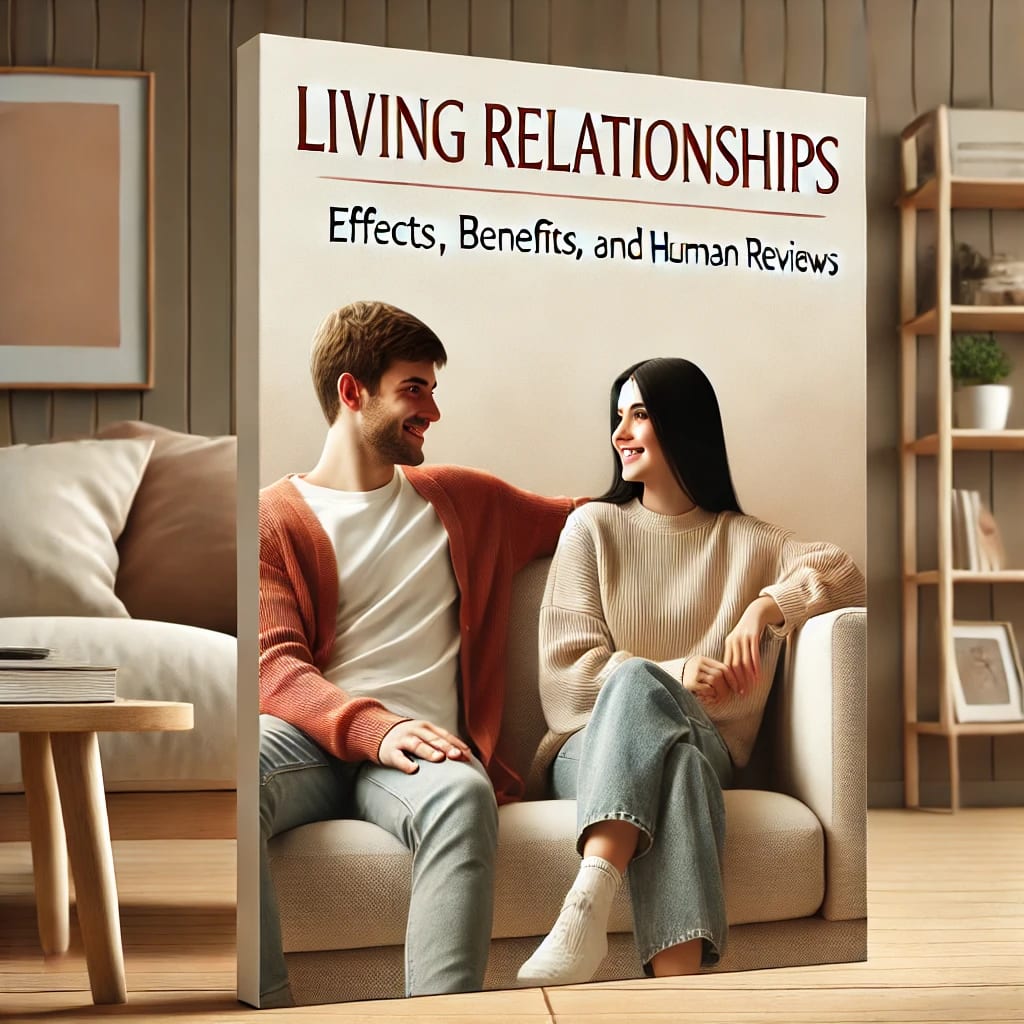
The Contemporary Journey of Living Relations: Effects, Gains, and Everyday Reflections
In the past few decades, relationships where couples cohabitate without formal marriage have surfaced. Such living relationships have received a lot of attention and have gained the acceptance of many. It shows that things have changed about love, commitment, and relationship. However, how does a living relationship really affect the individuals involved? What are its benefits, and how do people perceive this from experiences? Let us examine further effects, benefits, and reviews from real-life perspectives.
The Rise of Living Relationships
Traditionally, marriage has been known to be the basis of any committed relationship. However, with changing social dynamics and individualism on the rise, many couples today decide on living relationships as a means of building up their connection. In some cultures, the stigma of living together before marriage has lessened while in others it is quite a radical choice. Conversely, it is less formal, often less pressured, allowing couples to explore the depth of their bond in a living relationship regardless of societal pressures.
Effects on Emotional and Mental Well-being
Probably the greatest influence of living relationships is on emotional and mental well-being. For some, the lack of formal commitments, such as marriage, serves as a factor that frees them from much stress. Couples often report feeling more relaxed when they know they are with their partner of choice rather than out of obligation. Such freedom can breed open communication, trust, and mutual respect.
However, not all effects are positive. In a few cases, the absence of a formal bond creates insecurity. Without any legal or social seal that marriage harbors, one or both partners may lose clarity on whether their relationship has a long-term future. Such insecurity can lead to anxiety or doubts about the stability of the partnership.
Economic Benefits and Challenges
Financially, such relationships are significant because many couples find that splitting the financial responsibilities - rent, bills, groceries, among other expenses - alleviates a good deal of the monetary burden on each individual. Living together can combine the couple's resources and lead to a potentially more stable financial position.
Yet, this may also pose some issues in terms of finances, especially when the couple has significantly different incomes or spending propensities. Lacking the legal framework of marriage, there may be less clarity regarding who bears what responsibilities. The couple needs to become open with each other regarding matters relating to money, since financial differences indeed rank as one of the top reasons for problems in a relationship, whether married or living together.
Compatibility Test
Living relationships offer the possibility of testing compatibility. Living together provides a glimpse into the everyday habits, quirks, and routines that dating alone often doesn't reveal. Couples can discover whether they complement each other's lifestyles, from handling household chores to navigating conflicts in the relationship.
Indeed, couples who actually marry cite that cohabitation fostered their decision to marry. Knowing each other's strengths and weaknesses in a place of life helped them make a more informed commitment. For some, cohabitation can be helpful for some couples to realize they are not as compatible as they seemed to be before and part ways without all the complexities of divorce.
Relationship Dynamics and Growth
This way of living accelerates the relationship dynamics. Since couples tend to spend more time together, both highs and lows acquire more severity in a relationship. In close-knit relationships, the opportunities for shared experiences, growth as a couple, and deeper bonding may increase. However, challenges may also intensify-such as disagreements or differences in communication styles.
In a living relationship, they are more willing to work out because there's a feeling of freedom; each knows he or she has a right to leave the relationship if it becomes abusive or unhealthy. This can foster mutual growth in both partners, as they strive to create a peaceful environment of living.
Human Reviews and Perspectives
Real-life stories of people in living relationships provide diverse viewpoints on this lifestyle choice. Many couples praise the freedom and flexibility that comes with cohabitation. It allows them to experience day-to-day life with a partner before committing for an entire lifetime. For others, it will help build a stronger, more resilient relationship.
For example, Emily and James, a couple in their late 20s, were interviewed to share their experience: "Living together before getting married allowed us to understand each other's habits and quirks. We came to see that we were compatible in so many ways, from how to handle stress to sharing responsibilities. It made our eventual decision to marry more natural."
On the other hand, not all reviews boast a happy end. A few people feel that living without marriage may trigger confusion regarding the future. For instance, Sarah states that she and her boyfriend lived together for five years: "It felt like we were stuck in limbo. There was always this question in my mind—are we just living together because it's convenient, or do we really want to commit long-term? It eventually caused tension.
The Future of Living Relationships
The practice of living relationships would likely grow more in the future. This is because the growing needs of the younger generation prefer personal freedom, career growth, and self-realization. They seek the balance of achieving their relationship goals without the burden of marriage.
In conclusion, living relationships offer couples several advantages as well as challenges. It provides a couple with the opportunity to build a deeper connection, test compatibility, share financial responsibilities, and enjoy freedom. However, any relationship depends strictly on clear communication, mutual respect, and vision for the future. Again, with any relationship model, living together works best if both the partners are aligned and acquire the same expectations and values.
About the Creator
Usman Zafar
I am Blogger and Writer.
Keep reading
More stories from Usman Zafar and writers in Humans and other communities.
Hate or Love
Vocal: A Story of Hate or Love" It was a set stage, but with lights low, so the audience whispered so, silent and quiet, in anticipation they all slowly came. Vocal is known for singing in town; she appears on stage alone. Her heart-stopping voice can shatter or mend hearts as they whisper down.
By Usman Zafarabout a year ago in Humans
Long Distance Relationships Require Trust Communication And Regular Meaningful Connection
Long distance relationships (LDRs) are not an impossibility. In the modern globalized world, there are numerous couples that are in loving relationships when they are living in separate cities, countries, or even continents. Although emotional strain can occur due to physical distance, good relationships can work out well when partners are devoted to trust, communication and regular emotional contact.
By Robert Smith4 days ago in Humans




Comments
There are no comments for this story
Be the first to respond and start the conversation.