
Living Green: Simple Changes to Reduce Your Environmental Impact
Practical Tips for Sustainable Living That Make a Big Difference
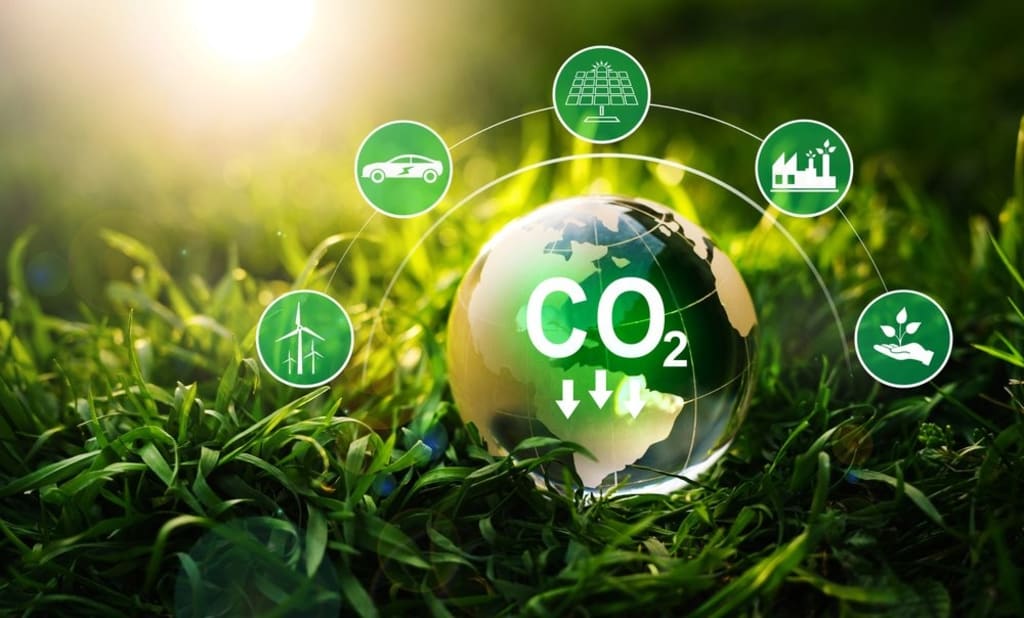
In recent years, the importance of sustainable living has become more apparent than ever. As climate change accelerates, it’s essential to adopt practices that reduce our environmental footprint. While large-scale changes like government policies and industrial shifts are crucial, individuals also have a vital role to play in protecting the planet. The good news is that living sustainably doesn't always require drastic lifestyle changes. Small, simple actions can lead to significant environmental benefits. Below are some easy-to-implement tips to help you reduce your environmental impact and live a greener, more sustainable life.
1. Reduce, Reuse, Recycle
The first principle of sustainable living is reducing waste. Start by eliminating single-use plastics from your life. Swap plastic bags for reusable cloth bags, and opt for glass or metal containers instead of plastic ones. Purchase products with minimal packaging, and support brands that prioritize eco-friendly packaging.
Recycling is another critical aspect of waste reduction. Instead of throwing items like paper, plastic, glass, and metal into the trash, separate them for recycling. Recycling not only keeps these materials out of landfills but also reduces the need for new raw materials and the energy used to produce new items.
2. Embrace Energy Efficiency
Energy consumption is a major contributor to your carbon footprint. One of the easiest ways to reduce your environmental impact is by using energy-efficient appliances. Switch to LED light bulbs, which use up to 80% less energy than traditional incandescent bulbs. If your appliances are outdated, consider replacing them with energy-efficient models that consume less power and reduce greenhouse gas emissions.
Additionally, you can conserve energy by unplugging electronics when they’re not in use, using natural light whenever possible, and ensuring your home is well-insulated. Small actions like turning off lights, using smart thermostats, and sealing gaps around windows and doors can reduce energy usage and save you money on your electricity bill.
3. Opt for Renewable Energy
If possible, switch to renewable energy sources like solar or wind power. Many utility providers now offer the option to purchase energy from renewable sources. By opting for green energy plans, you can significantly lower your carbon footprint.
If you live in a sunny area and can afford the upfront cost, installing solar panels on your home can be a great way to produce clean, renewable energy. Solar panels reduce your reliance on fossil fuels and can even save you money in the long term by lowering your electricity bills.
4. Sustainable Transportation Choices
Transportation is one of the largest sources of greenhouse gas emissions, especially in urban areas. To reduce your environmental impact, consider walking, biking, or using public transportation instead of driving. These alternatives help reduce the amount of carbon dioxide released into the atmosphere.
If walking or biking isn’t an option, carpooling with friends or colleagues can also make a significant difference. For longer distances, consider electric vehicles (EVs) as they produce zero emissions and are becoming more affordable. If an EV is not in your budget, maintaining your car’s fuel efficiency by keeping tires properly inflated, getting regular tune-ups, and driving less aggressively can help reduce your carbon footprint.
5. Adopt a Plant-Based Diet
The food we eat has a significant impact on the environment. Meat and dairy production are major contributors to deforestation, water pollution, and greenhouse gas emissions. One of the most effective ways to reduce your carbon footprint is by adopting a plant-based diet. Even reducing meat consumption a few times a week can make a big difference.
If you’re not ready to go fully vegetarian or vegan, start by incorporating more plant-based meals into your routine. Choose organic produce, which is often grown with fewer pesticides and chemicals, and support local farmers to reduce the carbon footprint associated with food transportation. Additionally, growing your own fruits and vegetables in a small garden can reduce your reliance on store-bought products and cut down on packaging waste.
6. Conserve Water
Water conservation plays a key role in sustainable living. The process of extracting, purifying, and distributing water requires energy, and using excessive water leads to unnecessary energy consumption. Simple changes in your daily routine can significantly reduce your water usage.
Install low-flow faucets and showerheads to cut down on water waste. Take shorter showers, and turn off the tap while brushing your teeth or washing dishes. Fix any leaks promptly, as even a small drip can waste gallons of water over time. Additionally, water your plants early in the morning or late in the evening to minimize evaporation.
7. Support Sustainable Brands and Products
Another effective way to live green is by supporting companies that prioritize sustainability. Look for brands that use recycled materials, minimize waste in their manufacturing processes, and offer eco-friendly products. By making informed purchasing decisions, you can help shift the market toward more sustainable practices.
When buying products, consider their longevity. Invest in durable, high-quality items that will last longer, rather than cheap, disposable products that end up in landfills. Opt for repairable items, and recycle or donate old items rather than throwing them away.
Conclusion
Living sustainably doesn’t require you to make drastic changes overnight. By incorporating small, easy-to-follow practices into your daily routine, you can reduce your environmental impact and contribute to a greener planet. Whether it's conserving energy, reducing waste, choosing sustainable transportation, or embracing a plant-based diet, every action counts. The choices you make today can have a lasting, positive impact on the world around you. Together, we can work toward a more sustainable and eco-friendly future for generations to come.
About the Creator
Misty Roberts: The Quiet Story Behind the Name
Some names appear online and leave people searching for answers. Not because of scandal or fame, but because something about them feels unfinished. Misty Roberts is one of those names. It sounds familiar, almost personal, as if it belongs to someone you might have known years ago. Yet when you look closer, the story is not always clear. Who is Misty Roberts? Why are people searching for her? And what does her story tell us about identity in a digital world where names travel faster than truth? Sometimes the most meaningful stories are not about celebrities. They are about ordinary people whose names echo across the internet, carrying questions, memories, and curiosity.
By Muqadas khan6 days ago in Humans



Comments
There are no comments for this story
Be the first to respond and start the conversation.