
Liver: Essential Functions + Support
More than 100 million people in the U.S. have some form of liver disease
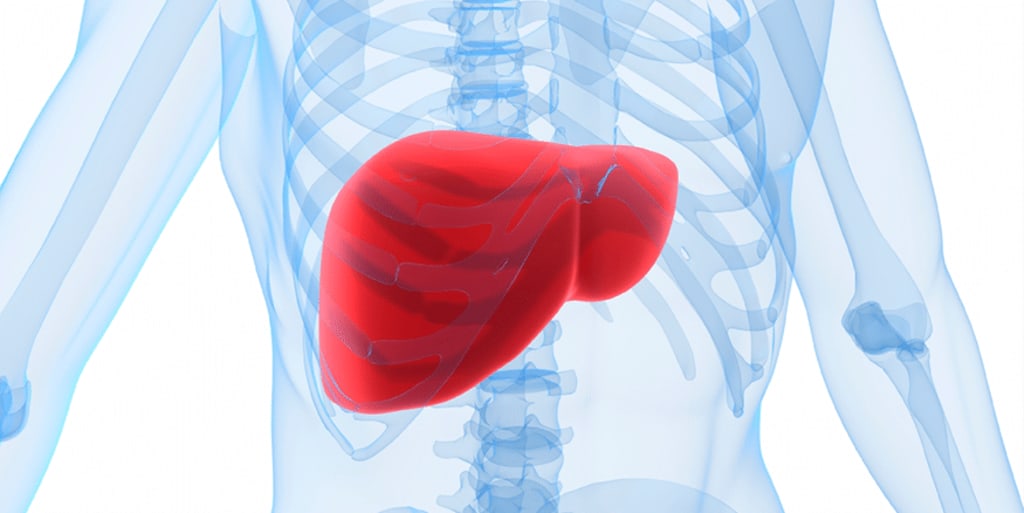
The liver is a vital organ in the human body with numerous essential functions. It is the largest internal organ and plays a crucial role in maintaining overall health and homeostasis. Some of the primary functions of the liver include:
Metabolism: The liver is involved in various metabolic processes. It plays a central role in carbohydrate metabolism, helping to regulate blood glucose levels by storing and releasing glucose as needed. It also aids in fat metabolism, including the synthesis and breakdown of fats.
Detoxification: The liver is responsible for detoxifying the blood by processing and removing harmful substances, such as drugs, alcohol, and environmental toxins. It converts toxic substances into water-soluble compounds that can be excreted by the body.
Protein Synthesis: The liver produces many essential proteins, including blood-clotting factors, albumin (which helps maintain blood volume and pressure), and enzymes. These proteins are critical for various physiological functions.
Bile Production: The liver produces bile, a digestive fluid that is stored in the gallbladder and released into the small intestine to aid in the digestion and absorption of fats.
Storage: The liver stores important substances, including glycogen (a stored form of glucose), vitamins, and minerals. It releases these stored substances into the bloodstream when needed.
Nutrient Processing: The liver processes nutrients and ensures their distribution throughout the body, playing a crucial role in regulating nutrient levels in the blood.
Immune Function: The liver contains immune cells (Kupffer cells) that help protect the body from infections and pathogens by removing bacteria and other foreign substances from the blood.
Regulation of Cholesterol Levels: The liver helps regulate cholesterol levels by producing and removing cholesterol from the blood. It also converts excess cholesterol into bile salts for excretion.
Hormone Regulation: The liver metabolizes and clears hormones from the bloodstream, helping to regulate hormone levels in the body.
Blood Storage: The liver can store a certain amount of blood, which it can release into the bloodstream during times of need, such as when the body experiences hemorrhage.
The liver is a multifaceted organ, playing a pivotal role in maintaining overall health and homeostasis. Its diverse functions are interconnected, encompassing a wide range of essential processes that are integral to the proper functioning of the body. From detoxification and metabolism to the production of critical proteins and bile secretion for digestion, the liver is a powerhouse of activity that influences virtually every system within the body.
First and foremost, the liver is a key player in detoxification. It filters and eliminates toxins, drugs, and harmful substances from the bloodstream. This function is indispensable for preventing the accumulation of potentially harmful compounds that could wreak havoc on the body if not properly processed and removed.
The liver is also instrumental in metabolic processes. It regulates blood sugar levels by storing and releasing glucose as needed, thereby helping to maintain stable energy levels throughout the day. Moreover, the liver metabolizes fats and proteins, aiding in the breakdown and utilization of nutrients from the food we consume.
Given the liver's central role in so many key bodily functions, its health is paramount. Diseases or conditions that affect the liver can have profound consequences for our well-being. Some of the most common liver ailments include hepatitis, cirrhosis, and fatty liver disease.
Hepatitis refers to inflammation of the liver, which can be caused by viral infections, excessive alcohol consumption, or autoimmune disorders. Chronic hepatitis can lead to liver damage, impairing its ability to carry out its functions effectively.
Cirrhosis is a late stage of scarring (fibrosis) of the liver caused by long-term liver damage. It results from chronic liver diseases and leads to a loss of liver function and can be life-threatening.
Fatty liver disease, on the other hand, is characterized by an accumulation of fat in the liver. This condition can result from excessive alcohol consumption or non-alcoholic factors, such as obesity or metabolic syndrome. Fatty liver disease can progress to more severe conditions like non-alcoholic steatohepatitis (NASH) and, eventually, cirrhosis.
In conclusion, the liver is an organ of paramount importance, with its functions intricately woven into the tapestry of overall health and homeostasis. Its roles in detoxification, metabolism, protein production, and digestion are essential for our well-being. As such, protecting and maintaining liver health is imperative. Various liver diseases, including hepatitis, cirrhosis, and fatty liver disease, can significantly hinder its functions, highlighting the need for proper care and attention to this vital organ. Adopting a healthy lifestyle, maintaining a balanced diet, and seeking medical care when necessary are all important steps in safeguarding the liver and, by extension, our overall health.
I've had the opportunity to try this product, and I wholeheartedly recommend it for significantly improving day-to-day life, particularly in terms of digestion and better handling of foods. This product has proven to be a game-changer in promoting smoother digestion and overall gut health. It offers relief from discomfort, bloating, and indigestion, helping you enjoy meals with greater ease. With its unique blend of ingredients and proven effectiveness, it has the potential to enhance your overall well-being, making your daily life more enjoyable and comfortable. It's a valuable addition to anyone seeking better digestive health and a more fulfilling day-to-day experience.
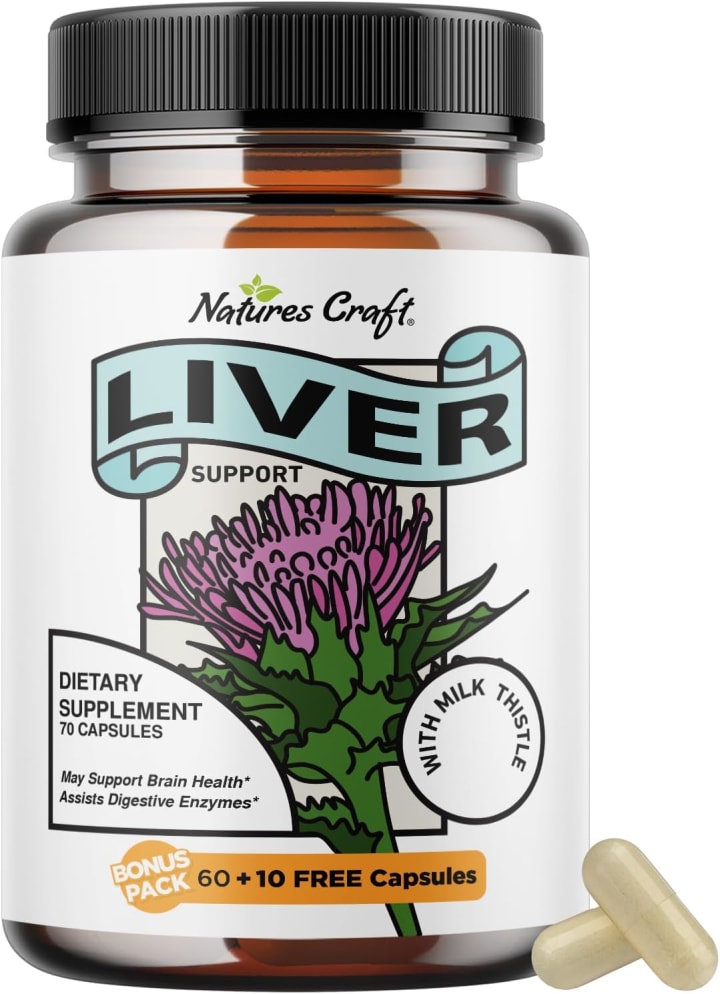
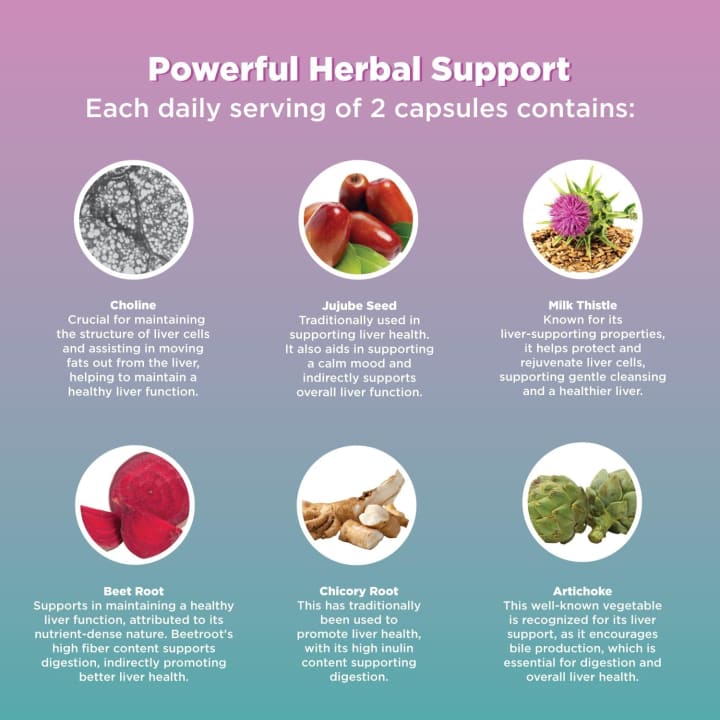
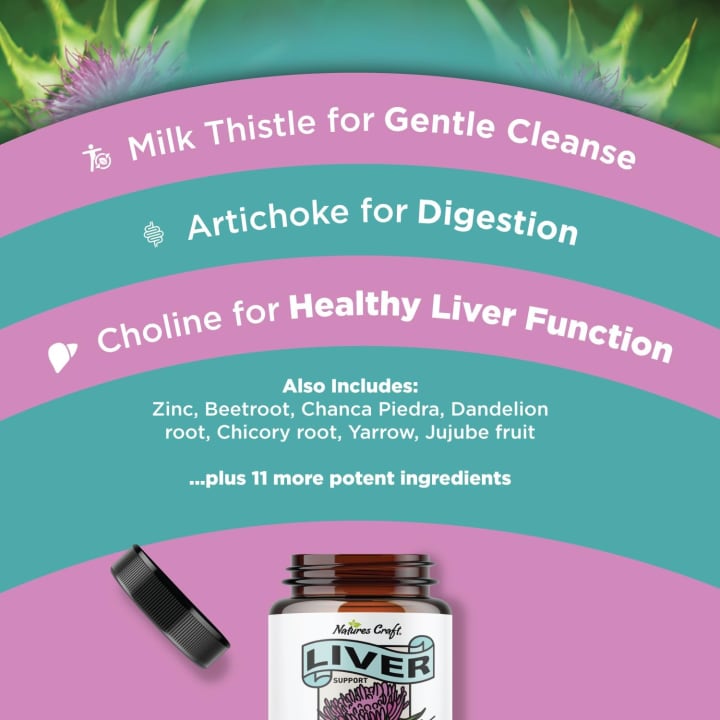
Support your liver with Natures Craft Liver Supplement:
Link to Product: https://amzn.to/40qN9dV
About the Creator
Keep reading
More stories from writers in Humans and other communities.
Time to change your life.
Is it even possible for you to change your life? A lot of people, more than there should be, are unhappy with their lives. But what are they doing about it? Usually nothing. People talk about how shitty their lives are and want change, but are they not taking the actions to change?
By Jen Phillipsabout 7 hours ago in Humans
Lifestyle & Human Interests: Stories That Inspire, Shock, and Change Lives
Ordinary people live extraordinary lives everyday. Others are full of hope, some are full of heartbreak and some are full of things that totally change the way an individual perceives the world. Lifestyle and human interest stories embrace the uncooked feelings of the real life and helps us to remember that every person has his hardships, dreams, and twists. These are not mere entertaining stories. They are courageous, build empathy and in most cases astonish us to look at life differently. In an age which is fast and seems to get detached, human stories get us to the real meaning of life.
By Olivia Smith5 days ago in Humans


Comments
There are no comments for this story
Be the first to respond and start the conversation.