
Little island, great flavors: Sri Lankan food is given the credit it deserves
Little island, great flavors: Sri Lankan food is given the credit it deserves
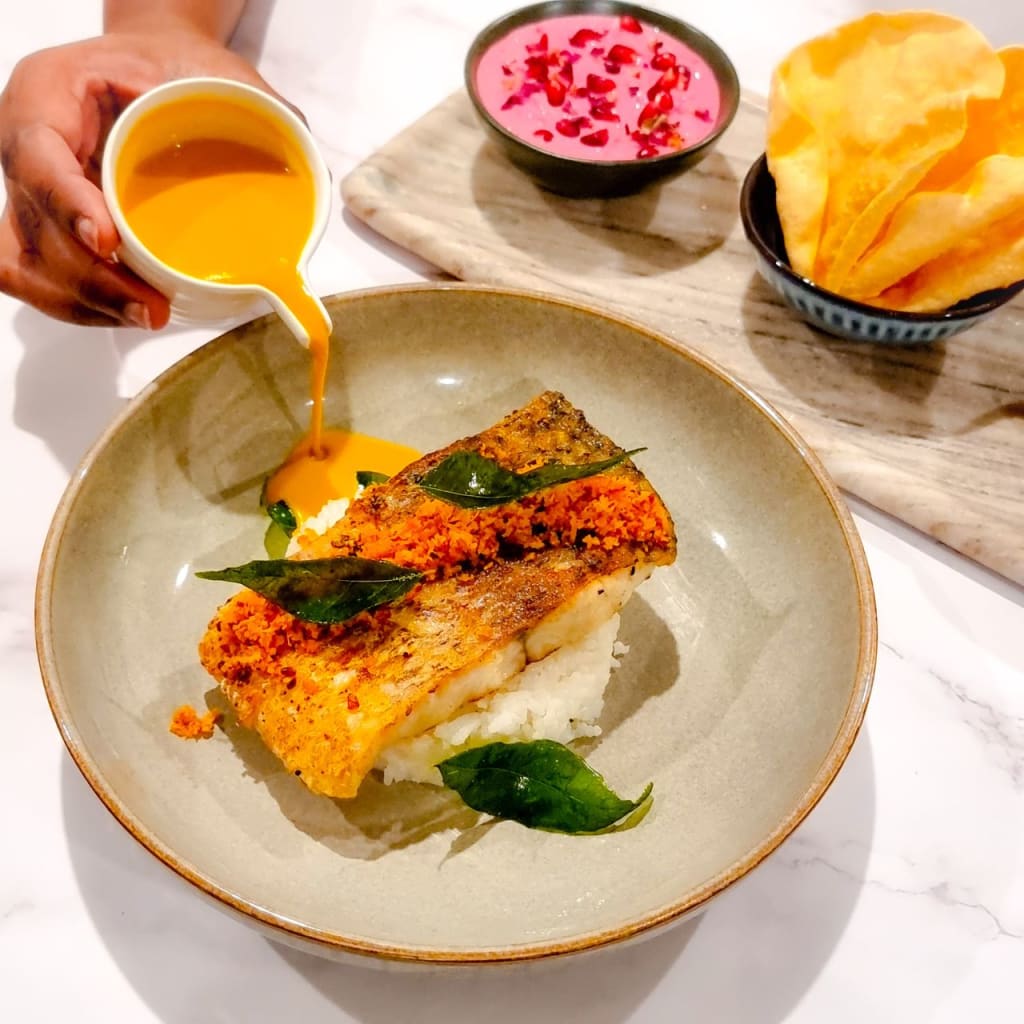
When Kolamba first opened its doors in 2019, many diners entering the charming restaurant located in London's Soho district were unfamiliar with Sri Lankan cuisine. According to Aushi Meewella, co-founder of the restaurant and a native of Sri Lanka, some mistakenly equated it with Indian food.
Meewella explains that they felt Sri Lankan cuisine was underrepresented in central London and aimed to introduce the dishes they grew up with and missed after moving away from their home country. Although Sri Lanka is a close neighbor to India with a population of just 22 million people, its culinary and cultural traditions are distinct.
Now, a new generation of Sri Lankan chefs and entrepreneurs worldwide is putting their native cuisine in the spotlight while celebrating the country's diverse culinary heritage.
Meewella attributes the recent surge of interest and support for Sri Lankan food to tourism. Despite setbacks such as a deadly bomb attack, the COVID-19 pandemic, and economic challenges, Sri Lanka is once again drawing tourists, with over 800,000 visitors in 2023 as of August. Meewella explains that tourists discover the diverse island and try the delightful local cuisine during their visits.
Chef Dhayanie Williams, known for her participation in "MasterChef Australia 2019," points out that the rise of social media and television programs like Masterchef has played a significant role in promoting Sri Lankan food internationally. Participants in such shows often showcase authentic Sri Lankan dishes, encouraging people to explore Sri Lankan cuisine in restaurants.
Sri Lankan cuisine is becoming increasingly recognized for its uniqueness, dispelling the misconception that it's merely a collection of curries with rice. For instance, Sri Lankan roti, despite sharing a name with Indian roti, is distinct—smaller and thicker discs made from freshly grated coconut and rice flour. The cuisine relies heavily on rice, coconut milk, native fruits, vegetables, and seafood, influenced by various ethnic cultures and the historical presence of the Dutch and Portuguese in Sri Lanka.
Additionally, Sri Lankan cuisine offers numerous plant-based and vegan options, a tradition deeply rooted in its history. Ingredients like jackfruit, water spinach, and yams are combined with spices and herbs to create dishes with unique flavors.
Sri Lankan cuisine's use of freshly grated coconut to make rich coconut milk is noteworthy. This coconut milk is added to various vegetable and meat-based curries and used to prepare dishes like kola kenda (a morning drink) and kiribath (a creamy breakfast).
Chefs like Sam Fore, a Sri Lankan-American based in Kentucky, have introduced these flavors to international audiences through pop-up events and are now establishing restaurants. Fore emphasizes maintaining the authenticity of recipes while introducing unexpected flavors to diners.
Sri Lankan cuisine boasts a diverse range of spices and herbs, which extend beyond chili, including coriander seeds, black pepper, mustard seeds, nutmeg, cinnamon, cardamom, curry leaves, pandan leaves, and lemongrass. These spices are roasted and ground to create various curry powders.
Innovative approaches are being used worldwide to introduce Sri Lankan cuisine. Restaurants like Nadodi in Kuala Lumpur and Curry Bowl in Zagreb have created unique dishes and simplified menus to cater to diverse palates. For example, Curry Bowl offers curry-based bowls, making it easier for European diners to explore Sri Lankan cuisine.
The preparation of certain dishes, such as kotthu, adds an element of theater to the dining experience. Kotthu is a popular street food made by smashing roti with vegetables, eggs, and meat, creating a distinctive metal-on-metal sound. This spectacle often entices curious diners.
As chefs and entrepreneurs worldwide add their creative touches to Sri Lankan dishes, the interest in Sri Lankan food is expected to continue growing. The cuisine's future success will depend on innovative applications of flavors like chili, lime, and tamarind to appeal to a broader international palate while honoring its roots and traditions.
About the Creator
Keep reading
More stories from Sayed Salah and writers in Humans and other communities.
Newborn Reflexes : Health of Your Newborn
From the moment of their birth, newborns possess the ability to communicate with their parents and caregivers. When a baby is born, they come equipped with various survival capabilities. Some of these are known as newborn reflexes, which are automatic responses to specific stimuli in their environment. These reflexes develop during the prenatal period, making them most commonly observed in healthy full-term newborns. While these automatic responses are prevalent during the initial weeks to the first year of life, they eventually transition into actions controlled consciously by the baby. In this video, we will explore the root, suck, tonic neck, grasp, and Moro reflexes, each of which plays a crucial role in a newborn's growth and development.
By Sayed Salah2 years ago in Education
Whiskey At Dusk
Guess the whiskey was more important to you in the end, wasn’t it? It was more than the well-being of your friends; more vital than showing up to the places you promised you would and could come to; more critical of a matter than fulfilling your damn responsibilities and getting the press off your back.
By Snarky Lisa4 days ago in Humans
The Propagator's Playbook: AI Tells You Exactly How to Clone Your Favorite Plants
There’s a special kind of magic in creating a new plant from a piece of one you already love. Whether it’s to preserve a cherished heirloom, share a piece of your collection with a friend, or simply see your indoor jungle multiply, propagation is the ultimate act of plant parenthood. But for many, it can feel like a mysterious art of guesswork—which piece do I cut, where, and will it actually grow?
By Emma Wallacea day ago in Humans
10 Times Rotten Tomatoes and I Disagreed
***Disclaimer*** I will be ranking these movies in the following manner: The greater the divide between Rotten Tomatoes and I, the higher up on the list (and I am referring to the critic's score, not the audience score). I will also show Rotten Tomatoes' score on each one in addition to my score. I am curious to know what everyone thinks, please let me know in the comments below!
By Madison "Maddy" Newton3 days ago in Geeks



Comments
There are no comments for this story
Be the first to respond and start the conversation.