
Linda McCartney: A Life in Focus
Photographer. Activist. Artist. Partner. Pioneer.

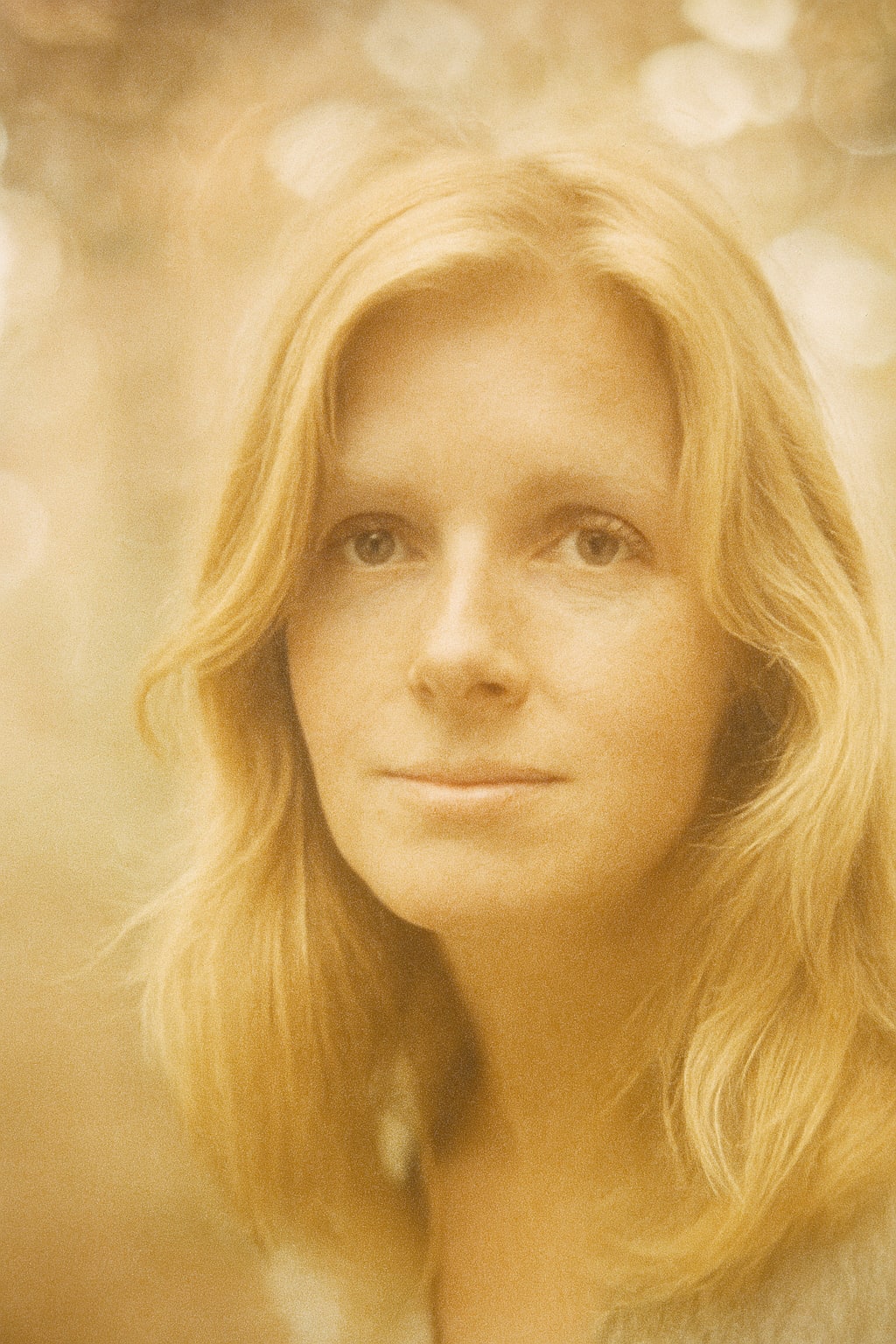
By the time Linda McCartney passed away in 1998, she had reshaped the cultural landscape in ways that extended far beyond her marriage to Paul McCartney. She was a groundbreaking photographer, a passionate advocate for animal rights, a successful entrepreneur, and a creative collaborator whose influence helped define the post-Beatles era. Her life was a quiet revolution—one framed in compassion, creativity, and conviction.
Origins: Education and Family Roots
Linda Louise Eastman was born on September 24, 1941, in Scarsdale, New York, into a family of privilege and intellect. Her father, Lee Eastman (born Leopold Epstein), was a prominent entertainment lawyer whose clients included artists like Willem de Kooning and Mark Rothko. Her mother, Louise Lindner Eastman, was an heiress to the Lindner department store fortune in Cleveland.
Linda was the second of four children and grew up in an environment that valued art, music, and education. She attended Scarsdale High School and later enrolled at Vermont College, earning an Associate of Arts degree in 1961. She then transferred to the University of Arizona, where she studied art history and took photography classes that would shape her future.
It was in Arizona that Linda first encountered the works of Edward Weston and Dorothea Lange. Inspired by their ability to capture raw emotion and social truth, she began experimenting with her own camera, developing a style that was intimate, spontaneous, and deeply human.
Breaking Through: The Photography Years
Linda’s entry into professional photography was almost accidental. After college, she moved back to New York and worked as a receptionist at Town & Country magazine. In 1966, she attended a Rolling Stones promotional event aboard a yacht and brought her camera. Her candid shots of the band—unposed and emotionally resonant—caught the attention of editors and launched her career.
She quickly became a fixture in the music scene, photographing artists like Jimi Hendrix, Janis Joplin, The Doors, Aretha Franklin, and The Grateful Dead. Her work was published in Rolling Stone, Life, and Vogue, and in 1968, she became the first woman to have a photograph featured on the cover of Rolling Stone—a portrait of Eric Clapton.
Linda’s style was distinct. She eschewed studio setups and preferred natural light, capturing musicians in quiet moments of reflection or joy. Her lens revealed vulnerability behind fame, and her subjects trusted her. She wasn’t just documenting a cultural moment—she was shaping its visual language.
Her photography was not limited to celebrities. She also captured intimate family scenes, landscapes, and animals. Her work was later compiled into books such as Linda McCartney’s Sixties: Portrait of an Era and Life in Photographs, showcasing her ability to find beauty in the everyday.
Meeting Paul: A Creative Partnership
Linda met Paul McCartney in 1967 at the Bag O’Nails club in London. They reconnected during a photo shoot for the Beatles’ Sgt. Pepper’s Lonely Hearts Club Band launch party. Their relationship blossomed quickly, and they married on March 12, 1969, at Marylebone Registry Office.
At the time, Linda was already a single mother to her daughter Heather, from her previous marriage to geologist Joseph Melville See Jr. Paul adopted Heather, and together they had three more children: Mary, Stella, and James.
Their marriage was a partnership in every sense. Linda became Paul’s emotional anchor during the turbulent breakup of the Beatles. She encouraged him to pursue solo work and collaborated on his first post-Beatles album, Ram (1971). Though she had no formal musical training, Linda sang harmonies and played keyboards, eventually becoming a full member of their band, Wings.
Critics were harsh—some accused Paul of nepotism—but Linda persisted. Her presence on stage was symbolic: a woman who had never sought fame, standing beside her husband not as a prop, but as a partner. Wings went on to become one of the most successful bands of the 1970s, with hits like “Band on the Run,” “Jet,” and “Live and Let Die.”
Linda also recorded solo material, including the reggae-inspired “Seaside Woman,” released under the pseudonym Suzy and the Red Stripes. Her musical contributions, while modest, reflected her willingness to learn, experiment, and support Paul’s creative journey.
Vegetarianism and Activism: A Life of Compassion
Linda’s commitment to vegetarianism began in the early 1970s, when she and Paul decided to stop eating meat after witnessing lambs frolicking in a field near their farm. The decision was emotional and philosophical, rooted in empathy for animals and concern for the environment.
She became a vocal advocate for animal rights, supporting organizations like PETA, Greenpeace, and Friends of the Earth. Her activism was not performative—it was embedded in her daily life. She raised her children vegetarian, refused to wear fur or leather, and used her platform to promote cruelty-free living.
In 1989, Linda published Linda McCartney’s Home Cooking, a vegetarian cookbook that became a bestseller. It featured simple, hearty recipes and personal anecdotes, making plant-based eating accessible to mainstream audiences. She followed it with Linda’s Kitchen in 1995, which was nominated for a James Beard Award.
Perhaps her most enduring contribution was the founding of Linda McCartney Foods in 1991. The company offered frozen vegetarian meals that were affordable, tasty, and widely available. It was one of the first major brands to bring meat-free products to supermarkets, paving the way for today’s plant-based food industry.
Even after her death, the brand continued to thrive. It was acquired by the Hain Celestial Group and remains a staple in UK grocery stores, with Paul and the McCartney children overseeing its ethical standards.
Linda’s activism extended to photography as well. She often used her camera to document animals, nature, and the quiet dignity of life outside the spotlight. Her compassion was not just a belief—it was a practice.
Artistic Legacy: Photography and Beyond
Linda never stopped taking photographs. Her later work included cyanotypes, Polaroids, and experimental printing techniques. She documented family life, nature, and candid moments with the same intimacy that defined her early career.
Her photography was exhibited at the Victoria and Albert Museum, the International Center of Photography, and the National Portrait Gallery. Posthumous collections like Linda McCartney: Life in Photographs and Linda McCartney’s Sixties celebrate her ability to capture emotion in its purest form.
She also explored music independently. In 1998, shortly before her death, Paul released Wide Prairie, a compilation of Linda’s solo recordings. The album showcased her wit, warmth, and musical curiosity, with tracks like “Seaside Woman” and “Cook of the House.”
Linda’s artistic legacy is multifaceted. She was not just a photographer or musician—she was a storyteller. Her work invites viewers to see the world with empathy, curiosity, and joy.
Final Years and Enduring Impact
In 1995, Linda was diagnosed with breast cancer. She faced the illness with courage and continued to work, travel, and advocate for animal rights. She died on April 17, 1998, at the McCartney family ranch in Tucson, Arizona, surrounded by loved ones.
Her death was a profound loss—not just for her family, but for the millions who had been touched by her art, activism, and authenticity. Paul later said, “She was my girlfriend. I lost my girlfriend.”
Linda’s legacy lives on through her children. Stella McCartney, now a globally renowned fashion designer, continues her mother’s commitment to ethical living through sustainable fashion. Mary McCartney is a respected photographer and filmmaker. James McCartney is a musician. Heather See McCartney is an artist and potter.
Paul McCartney has often credited Linda with saving his life—emotionally, spiritually, and creatively. Her influence helped him navigate the post-Beatles era with grace and purpose.
Conclusion: A Life of Quiet Revolution
Linda McCartney’s life defied easy categorization. She was a woman of many roles—photographer, mother, musician, activist, entrepreneur—but her essence was consistent: compassionate, curious, and courageous.
She didn’t seek the spotlight, but she illuminated it. Her photographs captured the soul of a generation. Her activism reshaped how millions think about food and animals. Her partnership with Paul McCartney helped sustain one of the most iconic musicians of all time.
In a world obsessed with fame, Linda McCartney chose authenticity. And in doing so, she changed the world—quietly, profoundly, and forever.
About the Creator
Julie O'Hara - Author, Poet and Spiritual Warrior
Thank you for reading my work. Feel free to contact me with your thoughts or if you want to chat. [email protected]
Keep reading
More stories from Julie O'Hara - Author, Poet and Spiritual Warrior and writers in Humans and other communities.
John Lennon’s Legacy of Abandonment: From Wounds to Redemption
John Lennon’s life was a symphony of brilliance and pain. Beneath the revolutionary music and sharp wit lay a deep emotional wound: abandonment. His father, Alfred “Freddie” Lennon, vanished from his life early on, leaving scars that shaped John’s relationships, especially with his own son Julian. Yet through the guidance of May Pang and Yoko Ono, Lennon began to confront his past and evolve—slowly, imperfectly—into a more present and intentional father.
By Julie O'Hara - Author, Poet and Spiritual Warrior3 months ago in Humans



Comments
There are no comments for this story
Be the first to respond and start the conversation.