
Lilith: Succubus

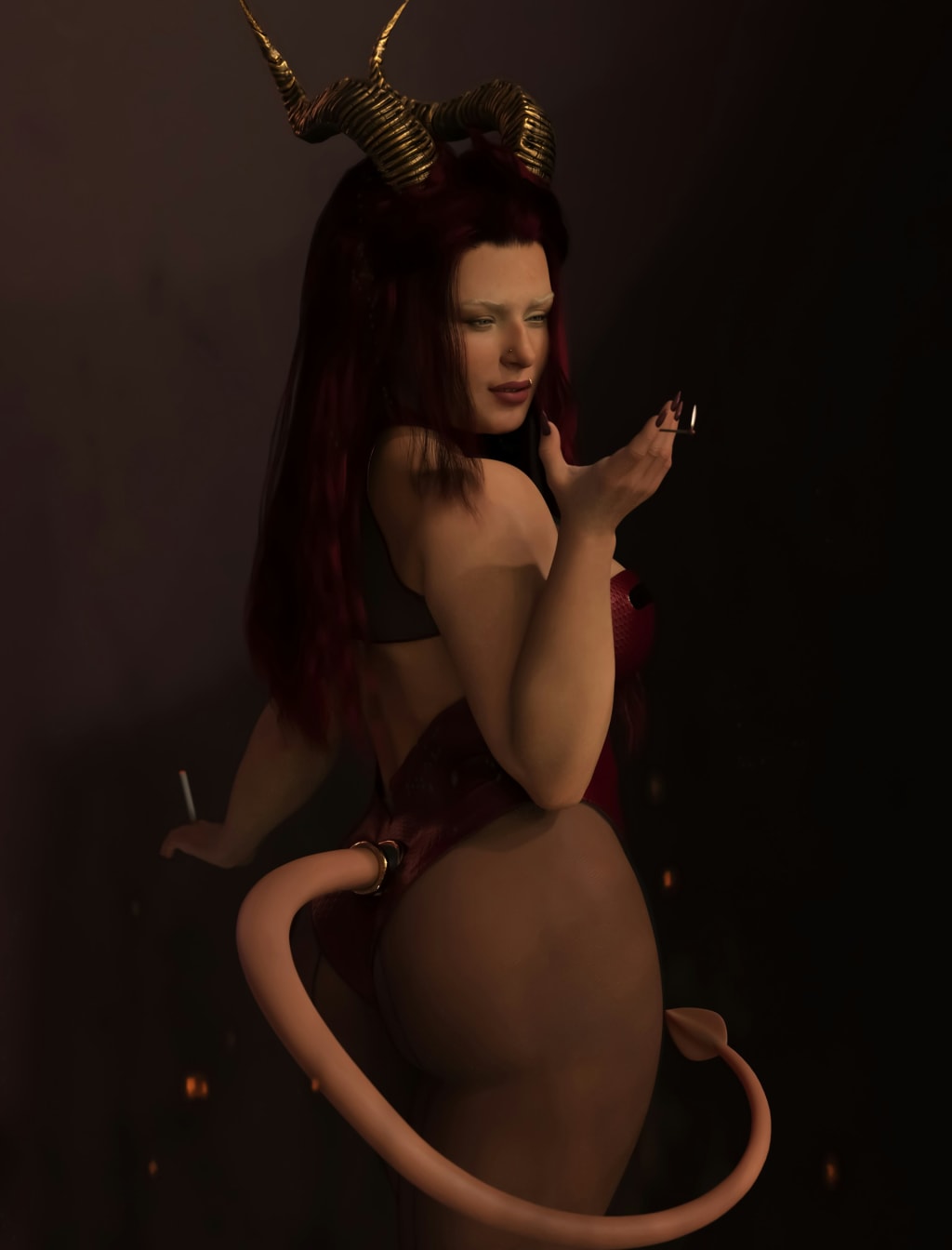
The connection between Lilith and succubi is rich in mythology, symbolism, and archetypal energy. Both figures evoke themes of feminine power, sexuality, and rebellion against societal norms. Let’s explore their origins, characteristics, and the deeper correlation between them.
Lilith: Origins and Archetype
1. Mythological Roots:
- Lilith has its origins in ancient Mesopotamian mythology, often depicted as a night demon or a figure related to the wind. In Jewish folklore, she is famously referenced in the Alphabet of Ben-Sira, where Lilith is said to be Adam’s first wife, created from the same soil as him. Her refusal to submit to Adam’s authority leads to her departure, symbolizing themes of independence and defiance.
2. Archetypal Power:
- Lilith embodies the dark feminine archetype, representing the untamed aspects of womanhood—sexuality, intuition, and empowerment. She also symbolizes the rejection of patriarchal control, autonomy in relationships, and the complexities of feminine desires.
3. Associations with Darkness:
- The archetype of Lilith encompasses both empowerment and fear, often viewed with suspicion due to her connection to the dark side of femininity. She is associated with the mysteries of the night, magic, and forbidden knowledge.
Succubus: Origins and Archetype
1. Mythological Roots:
- The term “succubus” is derived from the Latin word “succuba”, meaning “to lie beneath.” Succubi are female demons that seduce men in their sleep, drawing on their life force or essence through sexual encounters. This concept dates back to medieval folklore, with comparisons found in various cultures, including the Lilin, which also links back to Lilith.
2. Archetypal Characteristics:
- Succubi embody overt sexual energy, temptation, and allure. They are often depicted as enchanting and irresistible, using their beauty and charm to entice men. While associated with sensuality, succubi also carry a duality that includes themes of danger and spiritual drain.
3. Consequences of Their Encounters:
- The encounters with succubi often lead to physical and emotional depletion for their victims. This relationship amplifies the themes of exploitation and the consequences of heeding temptation.
Correlation Between Lilith and Succubi
1. Shared Archetypal Characteristics:
- Both Lilith and succubi share qualities of sexual empowerment and independence. Lilith’s narrative of defiance and autonomy resonates with the succubus's role as a seductress who operates beyond social constraints. They both represent women who reject conventional expectations.
2. Embodiment of the Dark Feminine:
- Lilith is often seen as the embodiment of the dark feminine, while succubi can be viewed as manifestations of that archetype. They challenge the norms of femininity and sexuality, representing the complexities and depths of female desires and power.
3. Symbol of Temptation and Rebellion:
- Both figures evoke temptation, but they do so for different reasons. Lilith’s rebellion against Adam represents a refusal to conform, while succubi’s seduction often leads to moral and physical dilemmas. This shared theme of rebellion highlights the struggle between the sacred and the profane.
4. Consequences of the Encounter:
- In interacting with Lilith or succubi, individuals often face significant consequences. The allure of succubi often leads to personal destruction or depletion, while engaging with Lilith can invoke a journey of self-discovery and liberation. This duality exemplifies the complexity of feminine energy.
Psychological and Symbolic Interpretations
1. Integration of Shadow Aspects:
- From a psychological perspective, both Lilith and succubi can be seen as representations of the shadow aspects of femininity. They invite individuals to confront the repressed, instinctual parts of themselves—desires, fears, and the quest for power.
2. Cultural and Societal Reflections:
- The perception of Lilith and succubi reveals much about societal attitudes toward women, sexuality, and power dynamics. Both figures challenge patriarchal constructs and the demonization of female sexuality, emphasizing the importance of reclaiming these narratives.
3. Healing and Empowerment:
- Engaging with the Lilith archetype can be a pathway for individuals, particularly women, to reclaim their power and shed societal limitations. Similarly, the succubus can symbolize embracing one’s sexual energy and desires, advocating for healthy expressions of femininity.
Conclusion
The correlation between Lilith and succubi is steeped in mythology and rich symbolism. Both figures encapsulate themes of feminine power, temptation, and the complexity of desires. They invite exploration of the shadow aspects of masculinity and femininity, challenging traditional narratives surrounding female sexuality and autonomy.
Understanding this connection can foster healing, empowerment, and a deeper appreciation for the multifaceted nature of femininity. By embracing the stories of Lilith and succubi, individuals can confront their desires, fears, and societal constructs, ultimately working towards a more integrated understanding of self and relational dynamics.
- Julie O’Hara
THANK YOU for reading my work. I am a global nomad/permanent traveler, or Coddiwombler, if you will, and I move from place to place about every three months. I am currently in Chile and from there, who knows – probably Argentina? I enjoy writing articles, stories, songs and poems about life, spirituality and my travels. You can find my songs linked below. Feel free to like and subscribe on any of the platforms. And if you are inspired to, tips are always appreciated, but not necessary. I just like sharing.
YouTube Top Song List.
https://www.YouTube.com/results?search_query=julia+o%27hara+top+songs
Amazon PlayList
https://www.amazon.com//music/player/artists/B0D5JP6QYN/julia-o'hara
Spotify PlayList
https://open.spotify.com/artist/2sVdGmG90X3BJVn457VxWA
You can also purchase my books here:
https://www.lulu.com /spotlight/julie-ohara
I am also a member of Buy Me A Coffee – a funding site where you can “buy me a cup of coffee.”
https:www.buymeacoffee.com/JulieOHara
About the Creator
Julie O'Hara - Author, Poet and Spiritual Warrior
Thank you for reading my work. Feel free to contact me with your thoughts or if you want to chat. [email protected]
Keep reading
More stories from Julie O'Hara - Author, Poet and Spiritual Warrior and writers in Humans and other communities.
The Misguidedness of Hating Men
The topic of perceived patriarchy and the accompanying backlash against it is nuanced and complex. While it is essential to address issues of inequality, discrimination, and systemic oppression, the hatred directed toward the concept of patriarchy can be counterintuitive and potentially harmful to societal growth. Below is a deep dive into this phenomenon, highlighting its implications and its potential detriments to social progress.
By Julie O'Hara - Author, Poet and Spiritual Warrior3 months ago in Humans
Autonomy Is The Real Privilege
Good morning, freedom-seekers! Today we’re gonna be looking at autonomy. A strange word, I know; one many would probably look at blankly and run away from on sight. We’re gonna figure out what it actually means, consider how it’s achieved, and decipher just how deeply most of us are tangled up in dependence without realising it.
By That ‘Freedom’ Guy5 days ago in Humans
A Short Love Story That Still Can’t Be Forgotten
How one brief moment changed my life forever Sometimes, the most unforgettable love stories aren’t the ones that last years. Sometimes, they’re the ones that last just long enough to leave a mark on your soul.
By Ahmed aldeabellaabout 3 hours ago in Humans




Comments
There are no comments for this story
Be the first to respond and start the conversation.