
Life on the Margins
Understanding the Struggles and Humanity of Homelessness
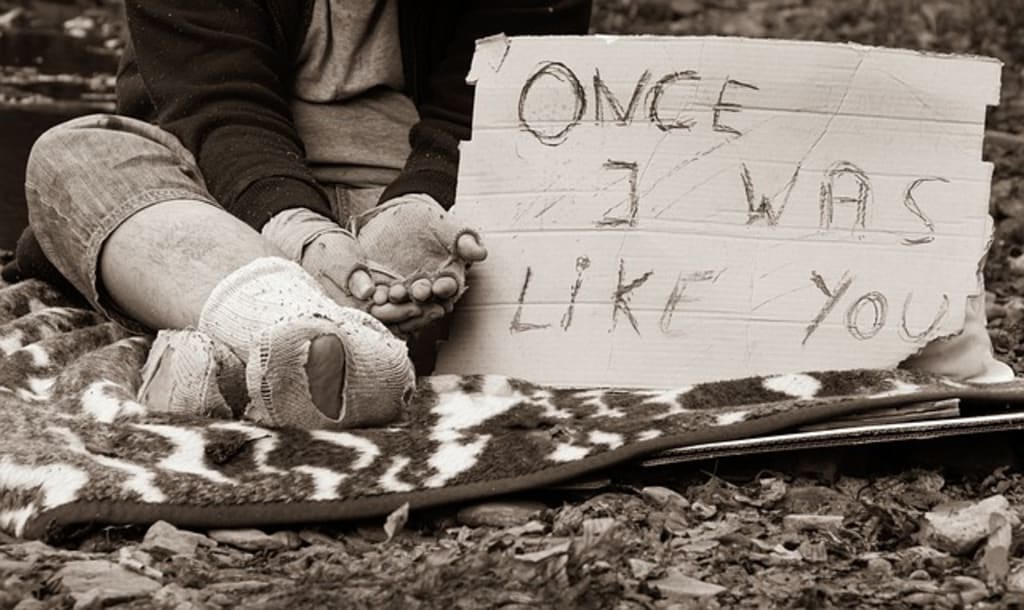
There are people who sleep on park benches, huddle under blankets in doorways, or hold signs asking for assistance that we frequently overlook in every city. This is the reality of homelessness, which affects millions of people worldwide. Every homeless person has a story to tell: a life that was shaped by difficulties, loss, and sometimes just bad luck. A lack of housing is only one aspect of homelessness. It's a complex, deeply human issue rooted in economic, social, and personal challenges. To understand it fully, we must look beyond the surface and recognize the people behind the label.
Who are homeless people? There’s no single type of homeless person. Men, women, children, veterans, and families are all possible. Others are escaping domestic violence while others struggle with mental illness. Many have jobs, but still can’t afford rent due to rising housing costs and low wages. Some have simply fallen through the cracks of a system that failed to support them when they needed it most.
Not only is the assumption that homeless people are lazy or addicted harmful, but it is also inaccurate. It dehumanizes individuals who are often doing everything they can to survive in impossible situations.
The Roots of Homelessness There is no one reason people become homeless, but several common factors contribute:
Lack of affordable housing: Rent prices have risen dramatically in many areas, while wages have remained stagnant. A single missed paycheck or a medical emergency can send a person out onto the streets. Unemployment and poverty: Job loss or long-term unemployment can lead to eviction. It is nearly impossible to maintain a stable housing situation without income. Mental illness and addiction: Many people experiencing homelessness also struggle with untreated mental health issues or substance use disorders. Without access to care, these problems can spiral and make stability hard to achieve.
Family breakdown and domestic violence: For some, home is not a safe place. Victims of abuse often have no choice but to flee, even if it means living on the streets.
Systemic failures: Gaps in social services, underfunded shelters, and a lack of support for those transitioning out of prison or foster care contribute to long-term homelessness.
Life on the Streets
Being homeless is not only physically exhausting—it’s mentally and emotionally draining. It means constantly searching for food, a safe place to sleep, or a bathroom. It means facing danger, isolation, judgment, and extreme weather conditions without protection.
The lack of stability can make it difficult to hold a job, maintain hygiene, or get help. It becomes a vicious cycle for many people: no address means no job, no job means no money, and no money means no home. The Stigma of Homelessness
Perhaps one of the hardest parts of being homeless is the way society treats you. Homeless people are often ignored, feared, or blamed for their situation. This stigma makes it harder for them to ask for help or reintegrate into society.
However, anyone can become homeless. A lost job, a health crisis, a family tragedy—sometimes all it takes is one unexpected event to change everything. Empathy, not judgment, is what’s needed most.
Solutions and Hope
Homelessness is a solvable problem. Many cities have successfully reduced their homeless populations through a combination of affordable housing, mental health services, job training, and community support. Around the world, the "Housing First" strategy, which prioritizes providing stable housing prior to addressing other issues, has demonstrated great success. Charities, shelters, food banks, and outreach programs all play a critical role. But long-term change requires policy reform, investment in low-income housing, and a more compassionate view of those in need.
The Importance of Seeing the Person
At the heart of homelessness are people—real people with hopes, talents, and dreams. They are not invisible. They are not failures. They are human beings who require respect, dignity, and the chance to start over. If we can begin to look beyond the stereotype and see the individual, change becomes possible. A smile, a kind word, a meal donated, or a helping hand may seem insignificant, but it can mean the world to someone on the margins. Final Thoughts
Homelessness is a problem that affects our communities, cities, and neighborhoods all over the world. Addressing it starts with understanding, compassion, and a collective will to do better. Everyone deserves a safe place to call home, and no one should have to fight alone just to survive. By opening our eyes and our hearts, we can begin to create a world where everyone has a chance to live with dignity and hope.
About the Creator
Thief In The Night
To the thief in the night that took and replicated what once was mine: Honestly, I feel kind of bad for you. It’s funny, because we hardly know each other. I only know of you through the magazines you’ve written and the broadcasts you have televised in the past — as well as through the public mentions of you from your show business connections there.
By Snarky Lisa8 days ago in Humans


Comments
There are no comments for this story
Be the first to respond and start the conversation.