
Learning as Love and the Unlearning of Human Ways

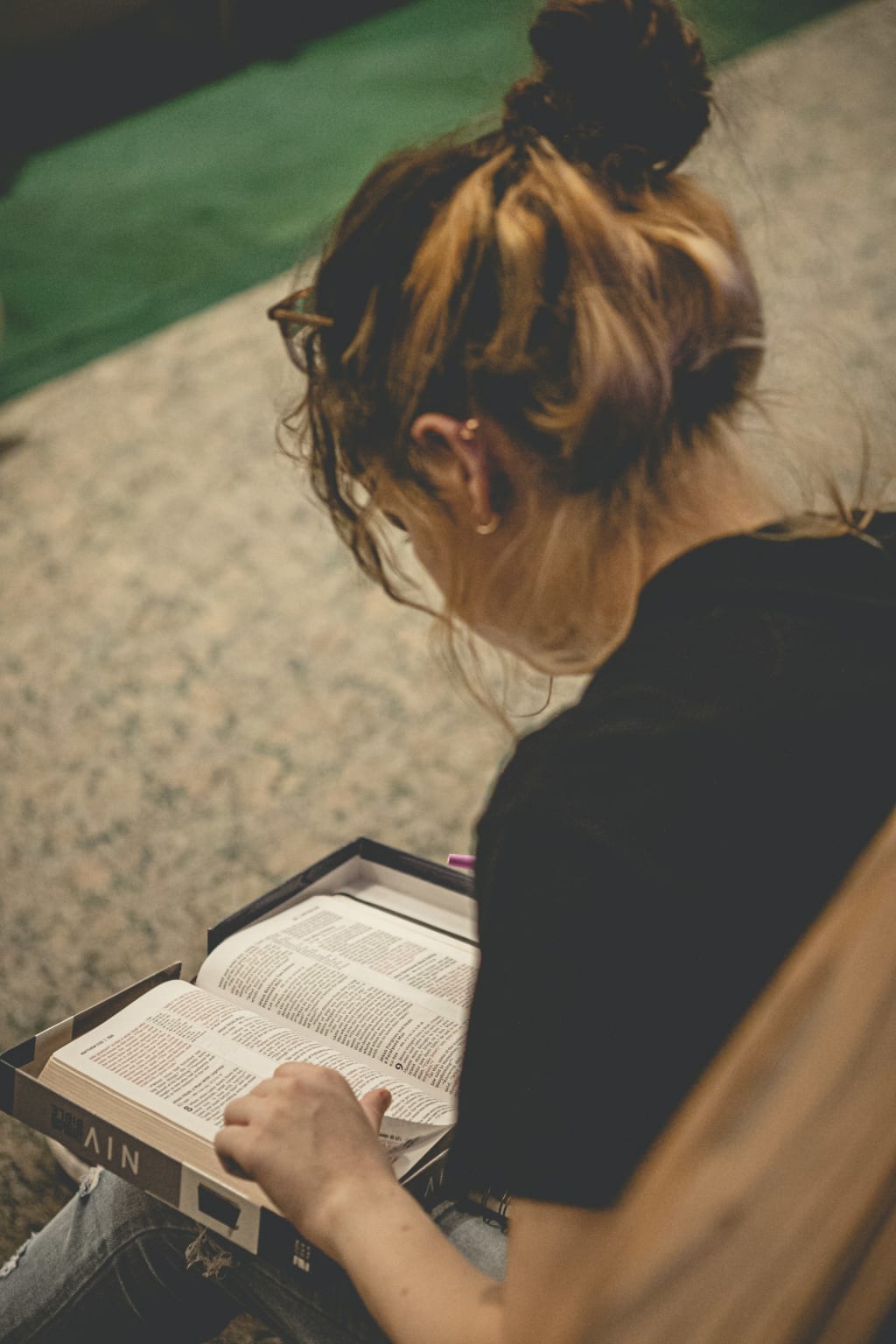
To say that learning is a form of love is to make a profound claim about the nature of the soul, the nature of truth, and the nature of the Divine. It suggests that learning is not merely the accumulation of information or the refinement of intellect, but an act of devotion, an opening of the heart, a willingness to be changed. It implies that the soul learns not to become more knowledgeable in the worldly sense, but to become more aligned with the Divine. And it suggests that the greatest obstacle to this alignment is not ignorance but the deeply ingrained habits, assumptions, and defenses that constitute what we call “human ways.” To embrace divinity, we must unlearn these ways. We must release the patterns that keep us bound to fear, separation, and illusion. We must allow ourselves to be taught by something greater than the mind. Learning becomes love when it becomes surrender.
This idea has deep roots across spiritual traditions. Jesus said, “Unless you change and become like little children, you will never enter the kingdom of heaven” (Matthew 18:3). This is not a call to naïveté but to openness. Children learn because they are unguarded, curious, receptive. They have not yet built the walls that adults construct around their hearts and minds. To become like a child is to unlearn the rigidity, cynicism, and self‑protection that adulthood often brings. It is to return to a state of wonder, humility, and trust. It is to learn again, not from the ego but from the soul.
The Buddha taught something similar when he said, “In the beginner’s mind there are many possibilities; in the expert’s mind there are few.” The beginner’s mind is not empty in the sense of lacking knowledge; it is empty in the sense of being free from preconceptions. It is open to truth rather than attached to opinion. It is willing to be surprised. It is willing to be wrong. It is willing to be transformed. This openness is a form of love because it requires vulnerability, humility, and the willingness to let go of the self we think we are.
In the Sufi tradition, Rumi wrote, “Sell your cleverness and buy bewilderment.” Cleverness is the human way—sharp, defensive, self‑protective. Bewilderment is the divine way—open, surrendered, receptive. Cleverness seeks control; bewilderment seeks truth. Cleverness resists change; bewilderment invites it. Cleverness is rooted in the ego; bewilderment is rooted in love. To learn in the divine sense is to allow ourselves to be bewildered, to be undone, to be remade.
The Jewish mystic Rabbi Abraham Joshua Heschel wrote, “Wonder, rather than doubt, is the root of all knowledge.” Wonder is a form of love. It is the soul’s recognition of the sacred. It is the heart’s response to the presence of the Divine. When we learn through wonder, we are not trying to master the world; we are trying to commune with it. We are not trying to dominate truth; we are trying to receive it. Wonder dissolves the boundaries between the knower and the known. It opens the heart to the mystery that underlies all things.
In Hindu philosophy, the Upanishads teach that the deepest knowledge is not acquired but revealed. “The Self is not known through study, nor through the intellect, nor through hearing learned discourses. The Self is known by the one whom the Self chooses” (Katha Upanishad 1.2.23). This does not mean that effort is irrelevant, but that effort alone is insufficient. The Divine is not something we grasp; it is something we allow. Learning becomes love when it becomes a form of surrender, a willingness to be chosen, a willingness to be guided.
In the Christian mystical tradition, Meister Eckhart wrote, “To know God, we must un‑know ourselves.” This is the essence of unlearning. The self we must un‑know is not the soul but the ego—the constructed identity that clings to control, certainty, and separation. The ego’s ways are the human ways we must unlearn. These ways are not inherently sinful; they are simply limited. They are the strategies we develop to survive in a world that feels uncertain and unsafe. But these strategies become barriers to divine intimacy. They keep us from seeing clearly, loving fully, and surrendering deeply. To unlearn human ways is to release the ego’s grip on our perception. It is to allow the Divine to teach us how to see.
Carl Jung, though not a theologian, understood this dynamic. He wrote, “One does not become enlightened by imagining figures of light, but by making the darkness conscious.” Unlearning is not the rejection of the human but the integration of it. It is the willingness to face the shadow, to acknowledge the parts of ourselves we would rather deny, to bring them into the light of awareness. This is an act of love because it requires compassion, patience, and honesty. It is also an act of learning because it expands our understanding of who we are and who we are becoming.
The veil of human ways is woven from fear, habit, and illusion. Fear tells us that we must protect ourselves from vulnerability. Habit tells us that the familiar is safer than the unknown. Illusion tells us that we are separate from the Divine. These three forces shape our perception, our behavior, and our identity. They create a world in which we believe we must earn love, prove our worth, and control our destiny. But the Divine does not operate according to these rules. The Divine is not earned but received. Worth is not proven but inherent. Destiny is not controlled but surrendered to. To embrace divinity, we must unlearn the human ways that keep us bound to fear, habit, and illusion.
This unlearning is not an intellectual exercise; it is a transformation of consciousness. It requires us to question our assumptions, examine our beliefs, and release our attachments. It requires us to let go of the stories we tell about ourselves and the world. It requires us to open our hearts to a deeper truth. This process is not easy. It can feel like loss, disorientation, or even death. But it is the death of illusion, not the death of the soul. It is the dissolution of the false self, not the destruction of the true self. It is the clearing of space for the Divine to enter.
The Christian mystic St. John of the Cross described this process as the “dark night of the soul.” He wrote, “In order to arrive at what you are not, you must go through the way in which you are not.” The dark night is the unlearning of human ways. It is the stripping away of attachments, illusions, and false certainties. It is the purification of desire. It is the emptying of the self so that the Divine may fill it. This emptying is an act of love because it is an act of trust. It is the willingness to let go of everything that is not God in order to receive everything that is.
In Buddhism, the process of unlearning is described as the dissolution of ignorance. The Buddha taught that ignorance is the root of suffering. Ignorance is not the absence of knowledge but the presence of illusion—the illusion of separateness, permanence, and control. To unlearn ignorance is to awaken to the truth of interdependence, impermanence, and surrender. This awakening is an act of love because it frees the heart from fear and opens it to compassion. The Dalai Lama often says, “My religion is kindness.” Kindness is the fruit of unlearning. It arises naturally when the ego dissolves and the heart opens.
In the Sufi tradition, unlearning is described as the annihilation of the self. The poet Hafiz wrote, “I wish I could show you when you are lonely or in darkness the astonishing light of your own being.” The light is always present, but the ego’s illusions obscure it. To unlearn human ways is to remove the veils that hide the light. It is to recognize that the Divine is not something outside of us but something within us. It is to realize that learning is not the acquisition of truth but the remembrance of it.
In the Hindu tradition, the Bhagavad Gita teaches that the path to liberation involves the dissolution of attachment. Krishna tells Arjuna, “Let your mind be in me, your intellect in me; then you will dwell in me” (Gita 12:8). This is not a call to abandon the world but to see the world through the eyes of the Divine. It is a call to unlearn the human ways of grasping, clinging, and controlling. It is a call to surrender the ego’s desires and align with the Divine will. This surrender is an act of love because it is an act of trust. It is the recognition that the Divine knows us better than we know ourselves.
In Jewish mysticism, the process of unlearning is described as bitul ha‑yesh—the nullification of the ego. The Baal Shem Tov taught that the greatest obstacle to divine intimacy is the illusion of separateness. To unlearn this illusion is to recognize that the Divine is the ground of all being. It is to see the world as a manifestation of divine presence. It is to love the world because it is an expression of God. Learning becomes love when it becomes the recognition of God in all things.
In modern psychology, the process of unlearning is described as the dismantling of conditioning. We are conditioned by our families, cultures, and experiences. We internalize beliefs, patterns, and defenses that shape our perception. These patterns are not inherently wrong, but they are limited. They keep us bound to the past and prevent us from experiencing the present fully. To unlearn conditioning is to become free. It is to reclaim our agency. It is to open ourselves to new possibilities. This freedom is an act of love because it honors the soul’s longing for truth.
The idea that learning is a form of love challenges the modern understanding of education. In contemporary culture, learning is often framed as a means to an end—success, achievement, mastery. But in the spiritual sense, learning is not about mastery; it is about intimacy. It is about drawing closer to the Divine. It is about opening the heart to truth. It is about allowing ourselves to be changed. Learning becomes love when it becomes a form of communion.
This communion requires unlearning because the ego cannot enter into intimacy with the Divine. The ego seeks control, certainty, and separation. The Divine seeks surrender, mystery, and unity. The ego wants to know; the Divine wants to be known. The ego wants to grasp; the Divine wants to be received. The ego wants to be right; the Divine wants to be loved. To embrace divinity, we must unlearn the ego’s ways. We must release the need to control, the need to be certain, the need to be separate. We must allow ourselves to be taught by love.
This unlearning is not a rejection of humanity but a transformation of it. It is the recognition that our human ways are not our true nature. Our true nature is divine. The human ways we must unlearn are the ways we have learned in response to fear, trauma, and separation. They are the ways we have developed to survive in a world that feels unsafe. But the Divine invites us into a different way of being—a way rooted in love, trust, and unity. To embrace this way, we must unlearn the patterns that keep us bound to fear.
The process of unlearning is lifelong. It is not a single moment of awakening but a continual surrender. It is the willingness to be taught again and again. It is the willingness to be humbled. It is the willingness to be wrong. It is the willingness to be transformed. This willingness is the essence of love. Love is not static; it is dynamic. It grows, evolves, and deepens. Learning is the movement of love toward truth. Unlearning is the movement of love away from illusion.
In the end, learning as love and unlearning as surrender are two sides of the same path. They lead us toward the same destination: union with the Divine. This union is not the loss of self but the fulfillment of it. It is the recognition that the self is not separate from the Divine but an expression of it. It is the realization that learning is not the acquisition of truth but the remembrance of it. It is the understanding that unlearning is not the rejection of humanity but the unveiling of divinity.
To say that learning is a form of love is to say that the soul learns by opening, by surrendering, by trusting. To say that we must unlearn human ways to embrace divinity is to say that the ego must yield to the soul. It is to say that the heart must become the teacher. It is to say that love is the path, the process, and the destination. It is to say that the Divine is not something we reach through effort but something we receive through surrender. It is to say that the deepest learning is the learning of love, and the deepest unlearning is the unlearning of fear.
About the Creator
Julie O'Hara - Author, Poet and Spiritual Warrior
Thank you for reading my work. Feel free to contact me with your thoughts or if you want to chat. [email protected]
Keep reading
More stories from Julie O'Hara - Author, Poet and Spiritual Warrior and writers in Humans and other communities.
The Veil of Nothingness: Reality, Meaning, and the Hidden Architecture of Existence
The phrase “veil of nothingness” carries a strange and paradoxical power. It evokes both emptiness and concealment, both the absence of substance and the presence of a barrier. It suggests that something essential is hidden not behind a wall or a curtain, but behind a kind of metaphysical emptiness—a void that obscures the deeper nature of reality. Throughout history, mystics, philosophers, theologians, and psychologists have wrestled with this idea in different forms. Whether described as maya in Hindu philosophy, sunyata in Buddhism, the cloud of unknowing in Christian mysticism, or das Nichts in existential philosophy, the veil of nothingness has served as a metaphor for the limits of human perception and the mysterious ground from which meaning arises.
By Julie O'Hara - Author, Poet and Spiritual Warriorabout 5 hours ago in Humans




Comments
There are no comments for this story
Be the first to respond and start the conversation.