
Know about “Auto Insurance”
Know about Auto Insurance


Auto insurance is a critical component of car ownership in America. It protects you, your passengers, and your vehicle in the event of an accident or other covered event. The insurance industry has developed a wide range of coverage options to meet the needs of policyholders, but it can be difficult to understand exactly what each type of coverage entails.
Coverage is the key component of any insurance policy. It determines what events or circumstances the policy will cover, and the extent of the coverage. The most common types of auto insurance coverage in America are liability, collision, comprehensive, and personal injury protection (PIP).

Liability coverage is required in most states and covers damages or injuries that you cause to another person or their property in an accident. It is typically comprised of two parts: bodily injury liability and property damage liability. The former covers medical expenses for the other driver and their passengers, while the latter covers damage to their car or other property.
Collision coverage is also an optional coverage, but it is highly recommended. This coverage pays for repairs to your own car in the event of an accident, regardless of who is at fault. Collision coverage can help you avoid financial difficulty if you are in an accident, especially if you have a newer or more expensive car.
Comprehensive coverage is another optional coverage that is also highly recommended. It covers damage to your car from events other than collisions, such as theft, vandalism, or natural disasters. This type of coverage provides peace of mind knowing that you are protected against a wide range of potential hazards.
Personal injury protection (PIP) is another optional coverage that provides medical and financial support to you and your passengers in the event of an accident. This type of coverage can help cover medical expenses, lost wages, and other costs associated with a car accident. PIP is especially important if you live in a state with a no-fault insurance system, as it provides an additional layer of protection beyond what is covered by liability insurance.
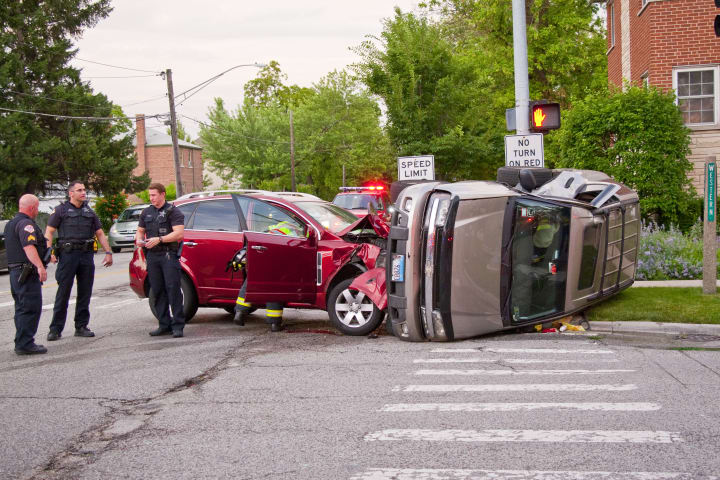
Claims are the process by which you receive compensation from your insurance company for covered events. To make a claim, you will typically need to provide documentation of the accident or damage, as well as any relevant police reports. Your insurance company will then review the information and determine the extent of your coverage and the amount of compensation you are eligible to receive.
Underwriting is the process by which insurance companies determine the risk associated with insuring a particular policyholder. This involves reviewing a variety of factors, including driving history, credit score, age, and the type of car being insured. The underwriting process helps insurance companies to determine the premium that each policyholder will pay, and to ensure that they are able to pay claims in the event of an accident.
Risk assessment is a key component of the underwriting process, and it involves evaluating the likelihood of an accident or other covered event occurring. This can be based on a variety of factors, including the driver’s age and driving record, the type of car being insured, and the location where the car is primarily driven. Insurance companies use this information to determine the level of coverage they are willing to offer, and to set the premium that each policyholder will pay.
Policyholder is the person who owns the insurance policy and is covered by its provisions. The policyholder is typically the owner of the car, but in some cases, it may also be a co-owner or a family member who is listed on the policy. It is important to understand your coverage options and to make sure that the policyholder and all listed drivers are properly covered.
No-fault insurance is a system in which policyholders are required to file a claim with their own insurance company after an accident, regardless who was at fault. In no-fault states, the insurance company will cover medical expenses and lost wages for the policyholder and their passengers. No-fault insurance is designed to simplify the claims process and reduce the number of lawsuits resulting from accidents. However, it is important to note that no-fault insurance does not necessarily provide full compensation for all damages and losses.
Uninsured motorist coverage is a type of auto insurance that provides protection in the event of an accident with an uninsured or underinsured driver. In such a scenario, your insurance company will cover your medical expenses and car repairs, up to the limits of your policy. This type of coverage is optional in some states, but it is highly recommended, as a significant number of drivers in the U.S. do not have insurance.
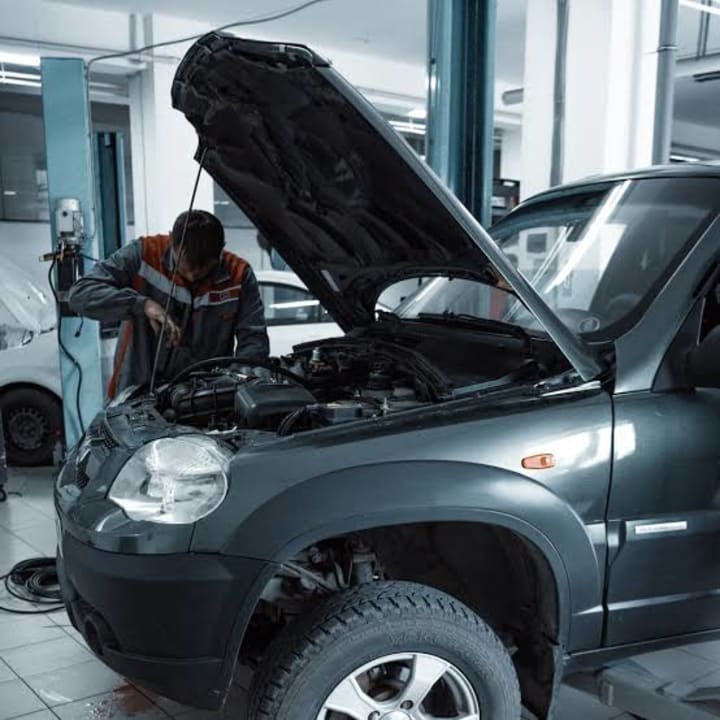
Car repairs can be costly, especially if you are in an accident. Collision and comprehensive coverage can help cover the cost of repairs, but it is important to understand the limits of your policy and the extent of your coverage. In some cases, you may need to pay a deductible before your insurance kicks in, so it is important to have enough savings to cover this cost.
Car rental reimbursement is a type of coverage that provides financial support for rental car costs in the event of an accident or other covered event. This type of coverage can help you get back on the road quickly, without having to worry about the cost of a rental car. However, it is important to understand the limits of this coverage and to make sure that you are fully protected.
Towing and labor coverage is a type of coverage that provides financial support for towing and other related expenses in the event of a breakdown or other covered event. This type of coverage can be especially important if you live in a remote area or travel frequently, as it can help you get your car back on the road quickly and affordably.
Gap insurance is a type of coverage that provides financial protection for the difference between what you owe on your car loan and the actual value of your car. This type of coverage can be especially important if you have a newer or more expensive car, as it can help you avoid financial difficulty in the event of an accident or other covered event.
Insurance rates can vary greatly depending on a variety of factors, including your driving history, credit score, and the type of car you drive. It is important to compare insurance rates from multiple companies to ensure that you are getting the best coverage at the most affordable price.
Vehicle protection is an important aspect of auto insurance, and it involves taking steps to protect your car and reduce the risk of damage or theft. This can include installing anti-theft devices, regularly maintaining your car, and taking steps to protect it from the elements.
In conclusion, auto insurance is a critical component of car ownership in America. It provides financial protection in the event of an accident or other covered event, and can help you avoid financial difficulty. With a wide range of coverage options available, it is important to understand your coverage options and to make sure that you are fully protected. Whether you are a new driver or a seasoned veteran, it is always a good idea to review your auto insurance policy regularly and to compare rates from multiple companies to ensure that you are getting the best coverage at the most affordable price.
About the Creator
Mohamed Raffic
As a content writer, I have a passion for crafting compelling stories and creating engaging content that connects with audiences. With a strong background in creative writing and a natural flair for storytelling.
Keep reading
More stories from Mohamed Raffic and writers in Humans and other communities.
Top 5 Exercises for Effective Weight Loss
Introduction: Losing weight is one of the most common goals that people set for themselves when it comes to improving their health and fitness. While diet is an important factor in weight loss, exercise can be an incredibly powerful tool in helping you achieve your goals. Whether you're new to exercise or have been working out for years, incorporating the right exercises into your routine can make a big difference. In this article, we'll go over the 5 best exercises to help you lose weight.
By Mohamed Raffic3 years ago in Humans
The Hierarchy Will See You Now
That’s the order of things in a professional kitchen — the body files its complaints from the outside in, working toward the center, until eventually the center can’t hold. I noticed it first in my knuckles, the way they’d swell overnight and resist opening in the morning, stiff as old hinges. I ran them under hot water at the sink before a shift, waiting for them to remember what they were supposed to do. Then it moved to my wrists. Then deeper. By the time I understood what was happening, I had logged twenty-four years of service to a system that had never once asked how I was doing — only whether the line was ready.
By Leslie L. Stevens Writer | Marfa, Texas6 days ago in Humans




Comments
There are no comments for this story
Be the first to respond and start the conversation.