
Key Steps to Building Trust in Your Relationship: A Comprehensive Guide
Discover essential strategies to cultivate trust and strengthen your connection with your partner.

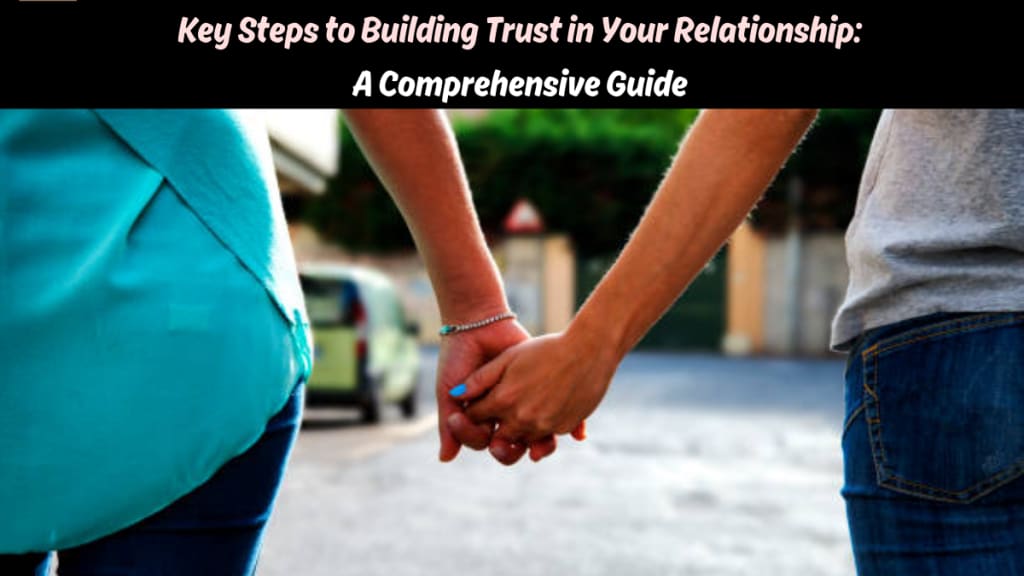
Building trust in a relationship is fundamental to its success. Trust fosters security, intimacy, and commitment, allowing partners to feel safe and valued. However, trust doesn’t develop overnight; it requires consistent effort, open communication, and mutual respect. This comprehensive guide will explore key steps to building trust in your relationship.
Understanding the Importance of Trust
What is Trust?
Trust is the foundation of any healthy relationship. It involves believing in your partner's reliability, integrity, and honesty. When trust exists, both partners feel secure in expressing their thoughts and feelings. This openness enhances emotional intimacy and deepens the connection.
Why Trust Matters
Trust is essential for several reasons:
- Emotional Safety: It creates an environment where partners can be vulnerable and share their true selves.
- Conflict Resolution: Trust allows couples to navigate disagreements constructively, knowing they can rely on each other.
- Long-Term Success: Strong trust increases relationship longevity, fostering commitment and partnership.

Key Steps to Building Trust
1. Communicate Openly and Honestly
Effective communication is crucial for building trust. This means not only sharing your thoughts but also being receptive to your partner's feelings.
- Practice Active Listening: Show genuine interest in what your partner is saying. This validates their feelings and encourages honest conversations.
- Be Transparent: Share your thoughts and feelings openly. Transparency reduces misunderstandings and builds confidence in each other.
2. Keep Your Promises
Consistency is key to building trust. When you make a promise, ensure you follow through. This shows your partner that they can rely on you.
- Set Realistic Expectations: Only commit to what you can deliver. Overpromising can lead to disappointment and erode trust.
- Acknowledge Mistakes: If you cannot meet a commitment, admit it and discuss how to make up for it.
3. Show Empathy and Understanding
Empathy is the ability to understand and share your partner's feelings. It plays a vital role in building trust.
- Validate Their Feelings: Acknowledge your partner's emotions, even if you don't fully understand them. This shows you care about their perspective.
- Support During Difficult Times: Be there for your partner when they face challenges. Your support reinforces your commitment to the relationship.

4. Be Reliable
Being reliable means being consistent in your actions and behaviors. It builds a sense of security.
- Follow Through on Commitments: Whether big or small, always do what you say you will do.
- Be Present: Show up for your partner physically and emotionally. Being available during tough times strengthens trust.
5. Foster Emotional Intimacy
Emotional intimacy is essential for deepening trust. It involves sharing your inner thoughts and feelings.
- Engage in Deep Conversations: Move beyond surface-level topics and share your dreams, fears, and values.
- Create Shared Experiences: Participate in activities that promote bonding, like traveling or taking classes together.
6. Respect Boundaries
Understanding and respecting each other's boundaries is crucial for trust.
- Discuss Boundaries Openly: Talk about what is acceptable and what isn’t in your relationship. This clarity fosters mutual respect.
- Honor Each Other's Space: Allow your partner to have personal time and space without feeling threatened.

7. Be Honest About Your Past
Your history can impact your present relationships. Being honest about your past helps build trust.
- Share Relevant Experiences: Discuss past relationships and experiences that shape your current views. This openness fosters understanding.
- Avoid Secrets: Keeping secrets can lead to distrust. Be open about your past to prevent misunderstandings.
8. Practice Forgiveness
Mistakes are inevitable in any relationship. Practicing forgiveness can help rebuild trust after a breach.
- Address Issues Calmly: Discuss what went wrong without blame. Focus on finding solutions together.
- Let Go of Grudges: Holding onto past mistakes can hinder trust. Work on forgiving and moving forward.

9. Seek Professional Help if Needed
Sometimes, external help can provide the support you need to rebuild trust.
- Consider Couples Therapy: A therapist can help facilitate communication and address underlying issues.
- Join Support Groups: Connecting with others facing similar challenges can provide valuable insights and encouragement.
10. Be Patient
Building trust takes time and consistent effort. Be patient with each other as you work toward strengthening your bond.
- Celebrate Small Wins: Acknowledge the progress you make together, no matter how small.
- Stay Committed: Trust-building is an ongoing process. Remain dedicated to nurturing your relationship.

Conclusion
Building trust in a relationship is a continuous journey that requires effort, understanding, and open communication. By implementing these key steps—communicating openly, keeping promises, showing empathy, being reliable, fostering emotional intimacy, respecting boundaries, being honest about your past, practicing forgiveness, seeking professional help, and being patient—couples can cultivate a strong foundation of trust. This foundation not only enhances the relationship but also allows love and intimacy to flourish, ensuring a fulfilling partnership for years to come.
FAQs
1- Why is trust important in a relationship?
Trust is crucial because it fosters emotional safety, enhances communication, and promotes commitment. A trusting relationship allows partners to feel secure, leading to deeper emotional connections and effective conflict resolution.
2- How can I rebuild trust after a betrayal?
Rebuilding trust requires time and effort. Start by openly communicating your feelings, acknowledging the betrayal, and taking responsibility. Consistently demonstrate reliability and patience as you work through the healing process together.
3- What role does communication play in building trust?
Communication is the cornerstone of trust. Open and honest discussions promote transparency, reduce misunderstandings, and foster emotional intimacy. Regularly sharing thoughts and feelings strengthens the bond between partners.
4- Can trust be rebuilt once it’s broken?
Yes, trust can be rebuilt, but it requires dedication and effort from both partners. This involves open communication, consistent actions, and a willingness to address past issues constructively.
5- What are the signs of a trusting relationship?
Signs of a trusting relationship include open communication, emotional support, reliability, mutual respect, and the ability to resolve conflicts constructively. Partners feel safe expressing themselves without fear of judgment.
Special Note for Image Resources
For stunning images to complement your article, consider visiting Unsplash and Pexels. Both platforms offer high-quality, royalty-free images that can enhance the visual appeal of your content.
If you found this guide helpful, explore more of my articles for valuable insights on relationships, emotional well-being, and personal growth. Click here to read more!
About the Creator
Abdul Jamil Nasir
Hello! I’m Abdul Jamil Nasir, a passionate writer exploring life, love, and culture. I focus on relationships, personal growth, and human emotions, believing in the power of words to inspire and connect with readers.
Keep reading
More stories from Abdul Jamil Nasir and writers in Humans and other communities.
Maintaining Emotional Connection Across Distances: A Guide
Maintaining an emotional connection in long-distance relationships can be challenging but incredibly rewarding. Physical distance can often lead to feelings of isolation and disconnection, but with the right strategies, couples can nurture their bond and keep love alive. This guide offers practical tips and insights to help you maintain emotional closeness, ensuring that your relationship continues to flourish despite the miles.
By Abdul Jamil Nasirabout a year ago in Humans
How Emotional Intelligence Can Help Manage Anger And Resentment In Love
Anger and resentment are healthy emotions in any relationship but may work against a relationship when they are not addressed successfully. All these feelings are likely to be either as a result of unmet expectations, miscommunication or unresolved conflicts. Unchecked they may create mistrust, lack of intimacy and emotional security between partners. The identification of the role of these emotions will be the initial step towards managing them positively. Knowing the root causes, people will be able to approach conflict with rationality instead of acting on the spur of the moment, and instead of the potentially harmful experience, be able to turn it into a growth potential and a chance to get to know each other better.
By Willian James6 days ago in Humans



Comments
There are no comments for this story
Be the first to respond and start the conversation.