
KEEP YOUR SANITY
Effective management of thought process
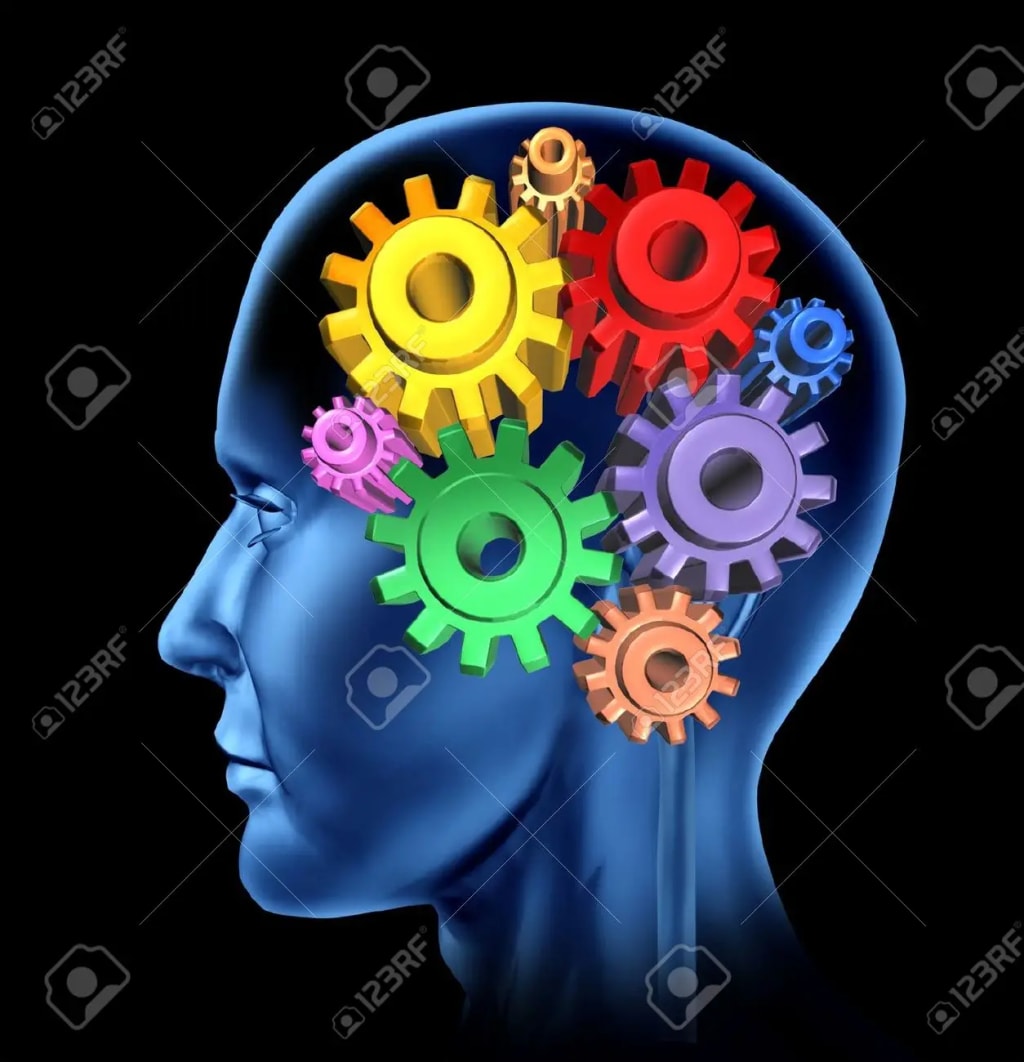
The human thought process refers to the mental activities and cognitive processes involved in perceiving, processing, storing, and retrieving information to make sense of the world and generate thoughts, ideas, and beliefs. It is a complex and multi-faceted process that involves various cognitive functions and neural mechanisms.
Here are some key aspects of the human thought process:
Perception: The process of gathering sensory information from the environment through our senses (such as sight, hearing, taste, touch, and smell) and interpreting it to form a mental representation of the world around us.
Attention: The ability to selectively focus on specific stimuli or information while filtering out irrelevant or distracting stimuli. Attention plays a crucial role in directing our cognitive resources to relevant information and tasks.
Memory: The ability to encode, store, and retrieve information. Memory allows us to retain and recall past experiences, knowledge, and skills, which influence our thinking and decision-making.
Language and Symbols: Language is a fundamental tool for thought. It enables us to represent and communicate our ideas, thoughts, and emotions using symbols, words, and grammar. Language facilitates complex thinking processes such as problem-solving, reasoning, and planning.
Reasoning and Problem-Solving: The ability to think logically, analyze information, and draw conclusions based on evidence or facts. Reasoning involves processes such as deduction, induction, and abduction. Problem-solving is the cognitive process of finding solutions to specific challenges or goals.
Creativity: The ability to generate novel and original ideas, concepts, or solutions. Creativity involves combining existing knowledge and experiences in unique ways and thinking outside the box.
Emotion and Intuition: Emotions and intuitions play a role in shaping our thought processes. They can influence our perceptions, decision-making, and problem-solving by providing valuable insights, biases, or shortcuts.
Metacognition: Metacognition refers to our ability to reflect on and monitor our own thinking processes. It involves self-awareness, self-regulation, and the ability to evaluate and adjust our thoughts and strategies.
Cognitive Biases: The human thought process is susceptible to various cognitive biases, which are systematic errors or distortions in thinking. These biases can affect our judgments, decision-making, and reasoning.
It's important to note that the human thought process is highly individual and can vary from person to person based on factors such as knowledge, experiences, beliefs, culture, and biological factors. Additionally, advances in neuroscience and cognitive science continue to provide new insights into the intricate workings of the human mind.
Managing the thought process effectively can contribute to better decision-making, problem-solving, and overall cognitive functioning. Here are some strategies that can help in managing your thought process:
Self-awareness: Start by developing self-awareness of your thoughts and thinking patterns. Pay attention to your stream of consciousness and identify any negative or unhelpful thoughts that may arise. Recognize when your thoughts are becoming repetitive, intrusive, or distorted.
Cognitive restructuring: Challenge and reframe negative or distorted thoughts. Replace negative thoughts with more positive and realistic ones. This process involves questioning the validity of your thoughts, examining evidence, and considering alternative perspectives.
Mindfulness and meditation: Practice mindfulness to observe your thoughts without judgment. Meditation techniques, such as focused breathing or body scan, can help calm the mind, improve attention, and reduce mental clutter. Regular mindfulness practice can enhance self-awareness and promote a more balanced thought process.
Cognitive flexibility: Cultivate cognitive flexibility by consciously considering multiple perspectives, possibilities, and solutions. Avoid rigid thinking patterns and be open to alternative ideas. Engage in activities that encourage mental flexibility, such as puzzles, brain teasers, or learning new skills.
Information evaluation: Develop critical thinking skills to evaluate the credibility and reliability of information. Be mindful of biases and avoid jumping to conclusions without sufficient evidence. Seek diverse perspectives and consider different sources before forming opinions or making decisions.
Time management: Organize your tasks and allocate specific time slots for different activities. Prioritize important tasks and avoid multitasking, as it can lead to scattered thinking and reduced focus. Break complex tasks into smaller, manageable steps to avoid overwhelm and maintain clarity.
Mental breaks and self-care: Take regular breaks throughout the day to rest and recharge your mind. Engage in activities that relax and rejuvenate you, such as exercise, spending time in nature, pursuing hobbies, or socializing. Taking care of your overall well-being supports a healthier thought process.
Externalize thoughts: Journaling or talking to someone you trust about your thoughts and concerns can help clarify your thinking and gain perspective. Externalizing thoughts can provide a fresh outlook, insights, and potential solutions.
Continuous learning: Engage in lifelong learning to expand your knowledge, skills, and perspectives. Read books, explore new subjects, engage in intellectual discussions, or take up new hobbies. Continuous learning stimulates the mind and promotes cognitive flexibility.
Seek professional help if needed: If you find it challenging to manage your thought process or if negative thoughts persist and impact your daily functioning, consider seeking support from a mental health professional. They can provide guidance, tools, and strategies tailored to your specific needs.
Remember that managing your thought process is a continuous process that requires practice and patience, it is important to know that every human is a product of their thought process. Experiment with different strategies to find what works best for you and adapt them as needed.
About the Creator
Keep reading
More stories from Abiodun Akinkoya and writers in Humans and other communities.
PREVENTING ADOLECENT PREGNANCY
In the quiet corners of my mind, where hopes and dreams intertwine, there resides a flicker of concern, like a fragile ember on a stormy night. It whispers to me, reminding me of the delicate hearts and souls of the young, the ones stepping into the labyrinth of life, unprepared for the treacherous paths that may lie ahead. And in the depths of this concern, one issue looms large, casting a shadow over their innocence: adolescent pregnancy.
By Abiodun Akinkoya3 years ago in Futurism
Healthy Relationships Require Shared Goals Trust Emotional Support And Consistency
Similarity of goals is a necessity when building a strong and united relationship. Once partners coordinate their visions towards future be it career, family or personal growth they create a feeling of being a team, and a goal. The collaborative goal-setting will promote shared investment in relationship and curb conflict arising due to different priorities.
By Mark Hipsterabout 16 hours ago in Humans




Comments
There are no comments for this story
Be the first to respond and start the conversation.