
Karma, Illusion, and the Architecture of Love

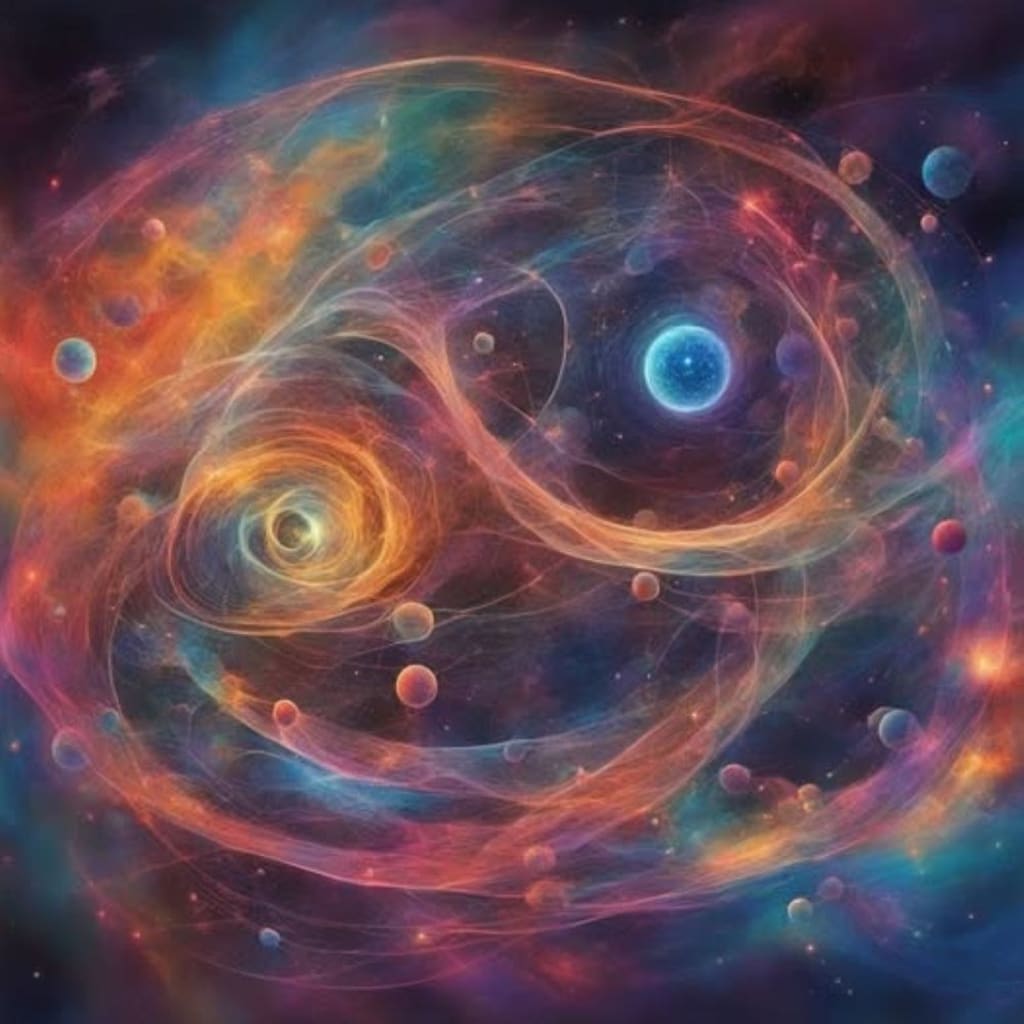
Karma, Illusion, and the Architecture of Love
Introduction
The phrase “karma is only the architecture of the illusion you agreed to experience” captures a radical spiritual insight: karma is not an external cosmic law but a framework of perception, a scaffolding of cause and effect that shapes the illusions we inhabit. In Hinduism and Buddhism, the world of appearances is called Maya, a veil that conceals ultimate reality. Karma, in this view, is not punishment or reward but the architecture of Maya—the design of the illusion we agreed to live through.
This article develops that idea focusing on how we perceive other people’s illusions as delusions, how our own illusions prevent universal love, and why love alone is real. It draws on Eastern philosophy, modern psychology, and spiritual traditions to argue that dismantling illusion is the path to compassion.
Part I: Karma as Architecture of Illusion
Karma in Eastern Thought
- Hinduism: Karma is the law of cause and effect across lifetimes. Yet Hindu texts emphasize that the material world is Maya, an illusion. Liberation (moksha) comes from realizing that the self (Atman) is one with ultimate reality (Brahman).
- Buddhism: Karma is action and consequence, but all phenomena are empty of inherent existence (Shunyata). Karma operates within illusion, not beyond it.
- Modern critique: Some philosophers argue karma is a cultural construct, lacking empirical evidence. It functions more as psychological programming than cosmic bookkeeping.
Architecture Metaphor
Calling karma “architecture” suggests design and structure. Karma builds the walls of the cave in Plato’s allegory, where humans mistake shadows for reality. It is the scaffolding of Maya, shaping the illusions we agreed to experience before birth.
Part II: Illusions and Delusions
Seeing Others’ Illusions
We often dismiss other people’s beliefs as delusions while clinging to our own illusions. For example:
- Religious differences: One tradition’s sacred truth is another’s superstition.
- Cultural norms: Practices seen as rational in one society appear irrational in another.
- Psychological biases: The “just world hypothesis” makes us believe karma is real because we want justice.
Our Own Illusions
Eastern philosophy teaches that the greatest illusion is separateness. Maya convinces us we are isolated selves, when in fact we are interconnected. Until we dismantle this illusion, we cannot love universally.
Part III: Destroying Illusion to Find Love
Impermanence and Emptiness
Buddhism emphasizes impermanence (anicca) and emptiness (shunyata). Recognizing that all phenomena are transient dissolves attachment to illusion.
Love as Ultimate Reality
Across traditions, love is emphasized as the only truth:
- Christianity: “Love is patient, love is kind…”
- Buddhism: Metta (loving-kindness) and Karuna (compassion) are paths to enlightenment.
- Hinduism: The play of Krishna and Radha symbolizes union of soul and spirit through love.
Love transcends illusion because it recognizes interconnectedness. When we destroy our illusions, we see others not as deluded beings but as mirrors of ourselves.
Part IV: Nothing Is Real Except Love
Illusion of Reality
Eastern theosophy teaches that separateness is illusory; reality is interconnected consciousness. Science echoes this in quantum physics, where reality is events, not things.
Love as Universal Truth
Love alone persists across traditions:
- It is the “Universal Truth” in Eastern philosophy, beyond relative illusions.
- It is the force that connects, protects, and sets us free.
Thus, while karma structures illusion, love dissolves it. Love is the only reality we can trust.
Conclusion
Karma is only the architecture of the illusion you agreed to experience. This insight reframes karma not as cosmic justice but as scaffolding for Maya. We see others’ illusions as delusions, but until we dismantle our own, we cannot universally love. Eastern philosophy, psychology, and spiritual traditions converge on the truth that nothing is real except love. Love is the thread that pierces illusion, the light that dissolves shadows, and the only reality that endures.
📚 Sources
- Emphasis of Love in Religions and Spiritual Traditions
- The Spiritual Meaning of Love in Different Cultures
- Unlocking the Power of Spiritual Love
- Allegory of the Cave: Illusion, Karma and Enlightenment
- The Illusion of Karma: Why It Isn’t Real
- The Psychology and Philosophy of Karma
- The Essence of Reality: Insights from Eastern Philosophies
- The Concept of Truth in Eastern Philosophy
- How to Explore the Nature of Reality Through Eastern Theosophy
About the Creator
Julie O'Hara - Author, Poet and Spiritual Warrior
Thank you for reading my work. Feel free to contact me with your thoughts or if you want to chat. [email protected]
Keep reading
More stories from Julie O'Hara - Author, Poet and Spiritual Warrior and writers in Humans and other communities.
Brehons: The Poetic Custodians of Ancient Irish Law
Ireland’s cultural memory is steeped in two intertwined traditions: the Brehon laws, one of Europe’s oldest legal systems, and the poetic tradition, which has shaped Irish identity from pre‑Christian times to the present. While law and poetry may seem like separate domains, in ancient Ireland they were deeply connected. Poets (filid) were once custodians of law, memory, and spiritual vision, and Brehons emerged from this poetic class to codify justice. This essay explores the Brehons’ role in Irish society and why poetry was—and remains—so vital to the Irish imagination.
By Julie O'Hara - Author, Poet and Spiritual Warrior2 months ago in Humans
Kiefer Sutherland and the Weight of Time on Screen Alone
Some actors arrive loudly. Others arrive quietly and stay with you. Kiefer Sutherland belongs to the second kind. His presence does not rush into a scene. It settles, waits, and then slowly takes hold. Over decades, his face has carried fear, regret, loyalty, and exhaustion in ways that feel close to real life. Watching him is often less about spectacle and more about recognition. You see parts of people you know. Maybe even parts of yourself. This article explores Kiefer Sutherland not as a star, but as a human figure shaped by time, choices, and consequence. His work speaks to aging, responsibility, and the cost of standing alone when the world keeps asking more.
By Muqadas khan2 days ago in Humans


Comments
There are no comments for this story
Be the first to respond and start the conversation.